


Making you the man of nerve you are: from hard resilience to soft retreat. A case study based on Nicholas Boggs (2026) Baldwin: A Love Story and the import he detects in Baldwin’s role as director of Düşenin Dostu (Friend of the Fallen in English), the Turkish version with its tellingly moralistic new Turkish title, of John Herbert’s Fortune and Men’s Eyes in Istanbul.
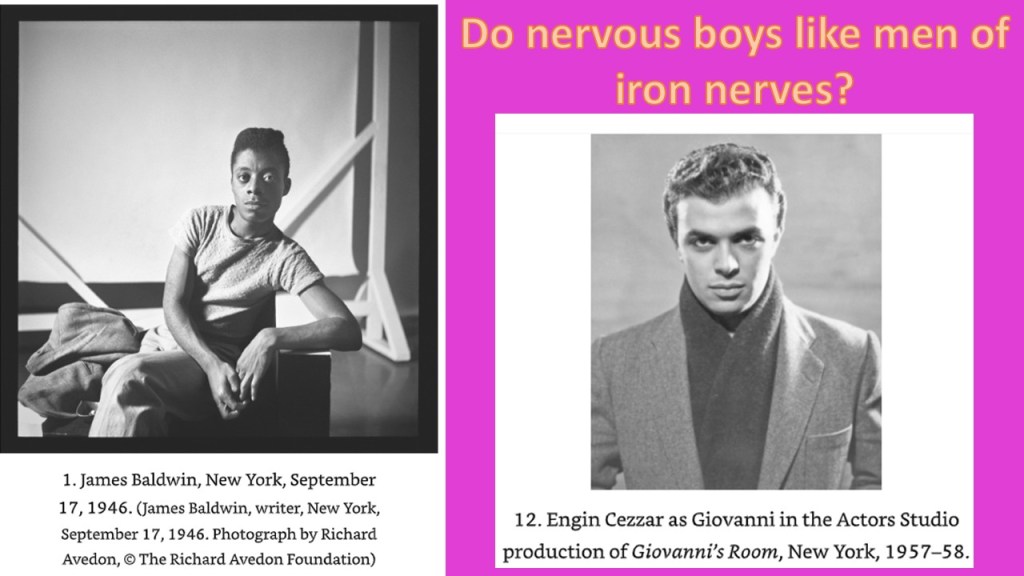
NOTE TO COLLAGE ABOVE: Baldwin often feared that he looked ‘effeminate’, passive and nervous, as his stepfather oft accused him of being (as well as, in that man’s eyes, ‘ugly’) but liked men like the one he created in the character of the white Italian Giovanni in Giovanni’s Room, who were first and foremost, men, and proved this by primary attraction to women. When this book was to be turned into a play Baldwin engineered that the role be given to the Turkish actor, Engin Cezzar. Cezzar, though his attractions were orientated largely towards women, clearly felt relaxed enough to form a loving friendship with Baldwin, that the latter believed to extend to romance as well as sexual benefits, which seem to have been considerable given the hot prose it generated over several novels. When Cezzar moved to Istanbul, made his name in the eponymous role in Hamlet there and then married a Turkish woman, Baldwin still harboured, not for the first or last time, the feeling that Cezzar was his primary lover to call upon and dream about. Baldwin’s move to Istanbul to direct Cezzar, staying with him and his wife, in a production must have fired fired many fantasies about queerness, masculinity, and the identities, vulnerabilities and opportunities for being part of a different world of relationship configurations.
The prompt question here, as in most other cases, assumes a lot about our understanding of words with a long history, a history usually evaded in them. Of history, and the past generally, are often despised by contemporary culture – a thing ‘over and done with’, something only the nervous types keep thinking about or performing that cow-digestion -associated action in its mental form usually called rumination. A nervous person, in our current understanding shows not only caution and reserve but fear, and sometimes cowardice, when asked to engage with the world, either in following their own advantage or defending others otherwise vulnerable to external aggression. The instance of nerve, nerves and nervous behaviour or appearance, in all their nuanced meaning draw on the history in the word, which is in part based on changing understandings of human anatomy, particularly in the distinct function of the nervous system and body musculature. Whether James Baldwin can easily be fitted into these models is a difficult question. It took nerves both to stand up Southern racism, defend those wrongfully imprisoned (or murdered) under racist laws, and to hold your own with younger black male radicals, who blamed you for colluding with white power. On the other hand Baldwin’s three suicide attempts and frequent breakdowns were associated with fear-related nerves, that was often well warranted but not always – for they travelled with to ‘another country’ when he visited them, together, of course, with FBI reporters, feeding back information on him to the quisling queer right-winger, Edgar Hoover
The history of the word ‘nervous’ is still alive, especially in the arena of sex/gender binaries. Consider etymology.com.
nervous (adj.): late 14c., “containing nerves; affecting the sinews” (the latter sense now obsolete); from Latin nervosus “sinewy, vigorous,” from nervus “sinew, nerve” (see nerve (n.)). The meaning “of or belonging to the nerves” in the modern anatomical sense is from 1660s. / From 1630s it was used (of writing style, etc.) in the sense of “possessing or manifesting vigor of mind, characterized by force or strength.” But the opposite meaning “suffering disorder of the nervous system” is from 1734, hence the illogical sense “restless, agitated, lacking nerve, weak, timid, easily agitated” (1740). This and its widespread popular use as a euphemism for mental forced the medical community to coin neurological to replace nervous in the older sense “pertaining to the nerves.” Nervous wreck first attested 1862; nervous breakdown 1866. Related: Nervously; nervousness.
That earlier confusion, as we see it in modern anatomy – but not clear to the Greeks and many civilizations afterwards – between sinew and nerve subsists in some uses of the term ‘nerves of steel’, for though referring ought to the refusal to bend to fear – and hence referring to the systems of neurological response correctly perhaps – it also tends to be confused with embodied resilience showing in the musculature associate with men. Through the history of the establishment of a hard binary distinction between sex/gender categories. Whilst men are characterised by having ‘nerve’ at their best (the stuff of courage) derived from a body of ‘sinew’ that facilitates bodily action and intervention, women are stereotyped as nervous – too easily swayed by nervous conditions that act upon the body to disable its action or interventions, as classically in the diagnosis used by Freud and Breuer, but with a much longer hisory and now considered a thing of myth: hysteria. It seems pertinent that a woman falls into disability before the unnerved gaze of many medical men – men aiming to use their nerve to save those who succumb to ‘feminine’ nerves, even men, as in the case of Rochester with his mad wife, Bertha Mason, in Jane Eyre:
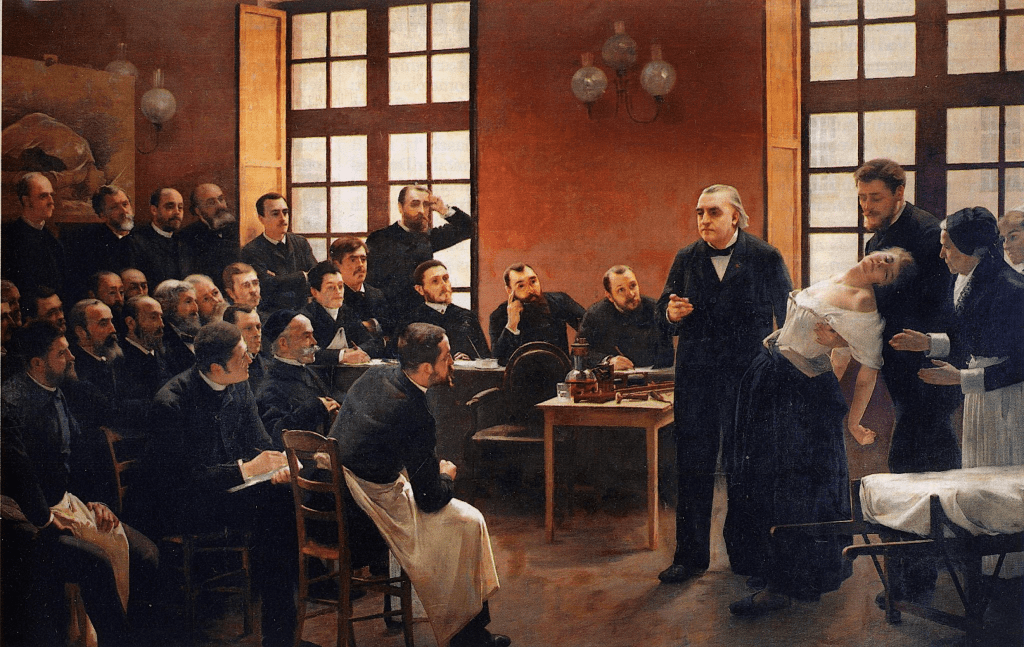
Une leçon clinique à la Salpêtrière by Pierre Aristide André Brouillet. This painting shows famed neurologist Jean-Martin Charcot demonstrating hypnosis on a “hysterical” Salpêtrière patient, “Blanche” who is supported by Dr. Joseph Babińs. The painting is displayed at the Université Paris 5 René Descartes. Source: Wikimedia Commons.
However that is by the by, and well explored of old (see that great book The Madwoman in the Attic, which approves the male myths via the mitigation of the myth by heroic women writers). My issue is with the cognate myth of the feminine or ‘nervous’ man, used constantly to bolster masculine stereotypes that support the binary male / female, both in characterising who is a ‘real man’ and the relationship of male being too desire, as either its subjective source or its object. And it is in relation to that myth that Boggs makes use of what Baldwin set out to learn, and what he did learn by directing the play with a Turkish male cast, with his favoured type lover Engin Cezzar in the crucial role of Smitty, the man who might be said to come out on top in the power games in a male prison, but who fails to understand the nature of his own desire either in terms of sexual or sex/gender category.
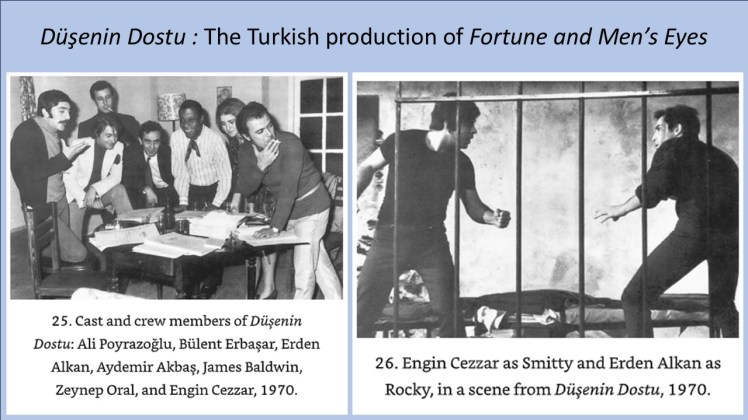
The picture of Baldwin surrounded by his cast and assistant (Zeynep Oral) still finds Engin Cezzar (on the left and turning to his left so that his male bulk dominates) attracting the viewer’s gaze, whilst the other cast seem earnest over the script, especially Ali Poyrazoğlou, who was cast, being the other highly experienced actor and gay with it, to play the role of Queenie . However, Boggs insists (I quote him on this later) that the role of Mona was most crucial to Baldwin’s conception of the play. He is the transsexual (in Baldwin’s terms ‘androgyne’) character, Mona Lisa. Bülent Erbaşar played that role, despite being an interior designer not an actor, and chosen (again more later) for his ‘naturally’ feminised manner.
After all, how could Baldwin persist in continually desiring ‘real man’ Cezzar whilst knowing that such love could not be returned in the manner and feeling he wanted over any duration by such ‘real men’.(although that love was to persist to Baldwin’s death (though by then Platonic on Cezzar’s part), even though many other men who loved primarily women came in between. One of the in-betweeners is particularly the relationship that Boggs virtually discovered in working on this book to the artist, Yoran Cazac, with whom he co-produced Little Man, Little Man, ”a children’s book for adults”. It was in this play that Baldwin consolidated an idea he had already formed about himself and André Gide, from reading Gide’s novels, that queer men despise themselves in choosing such fatally orientated relationships to mythical ‘real men’, relationships that contain the seed of their own destruction. What he concluded, Boggs seems to show, is that masculinity was itself a ‘prison-house‘, bonding men to a fruitless conception of what it is to be a man, that prioritised every symbol of the binary lock on identity in relationships, either queer or not so, by locking the any chance of love out of it except under those restraining conditions.
Boggs sets a fascinating question in Chapter 8 of Book III of his biography that mainly deals with that time (1957 – 1970) when Engin had most sway in Baldwin’s emotional life and the persistent fantasies of his desire. Here it is, as he spells out the centrality in it by a play by John Herbert:
In Turkish the play is called Düşenin Dostu, or “Friend of the Fallen” in English, although in the article Adelsen will refer to it by its original name, Fortune and Men’s Eyes, which he described as the playwright John Herbert’s “vial of wrath poured out onto the heads of those responsible, and indifferent to, despicable conditions and homosexuality in some Canadian houses of correction.” He goes on to explain that the play, which had already been performed in New York and London, was Herbert’s “bitter protest.” But now, in Istanbul, it had become something different, since Baldwin had traveled “across an ocean,” to Istanbul, “to direct his first play.” It is in this context that Adelsen closes his opening salvo by posing a worthy conundrum: “Why, then, when the theaters of half-a-dozen other European towns could have given the trumpet of fury and sorrow a higher hill to sound from, did Baldwin decide to direct his first play in a 2,000-year-old city squatting in its beauty and its old age on the shores and hills of two continents? Why come to Istanbul to create?”
Boggs’ answer is a long and complex one, involving many of Baldwin’s passions and energies – his need to understand why and how he stuck his neck out for the imprisoned victims of Black civil rights agitation, his sense that if love did not liberate it was because men are in chains and locked in, that not understanding one’s own desire ends in subjugation.Baldwin creates as a director that ‘something different’ he wants this play to be, a recognition that the ‘real man’ as an identity to be adopted or an object of desire was not only illusory but dangerous to the very survival of love, not only in couple relationships but in the bonds that make society livable between Black and white, women and men, and men with men, and so on, although he left it to the upcoming women authors he admired to explore relationships between women and women, including Toni Morrison whom he sought validation from for taking on a female voice for If Beale Street Could Talk to speak his own concerns.
Why though this did play offer itself as an opportunity of creative learning for Baldwin. Boggs cannot prove but believes that Baldwin saw the first production of it by the Actor’s Union in New York, a production from which photographs exist in the first US edition, which I read in The Internet Archive:
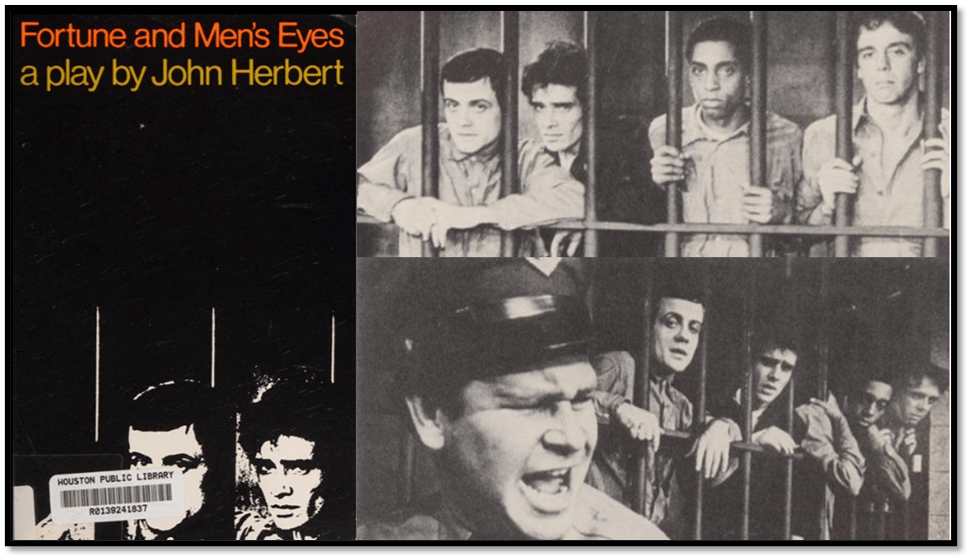
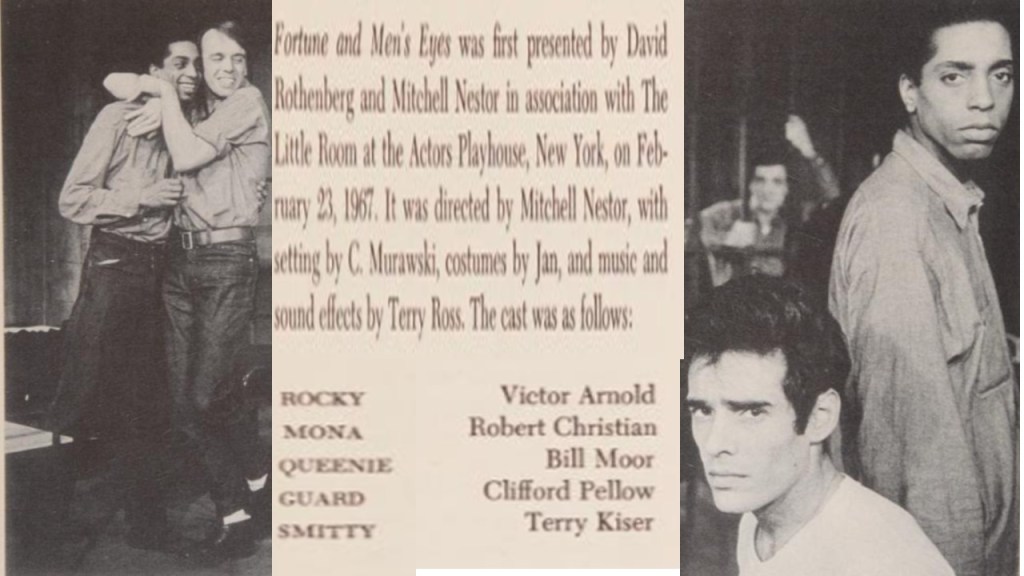
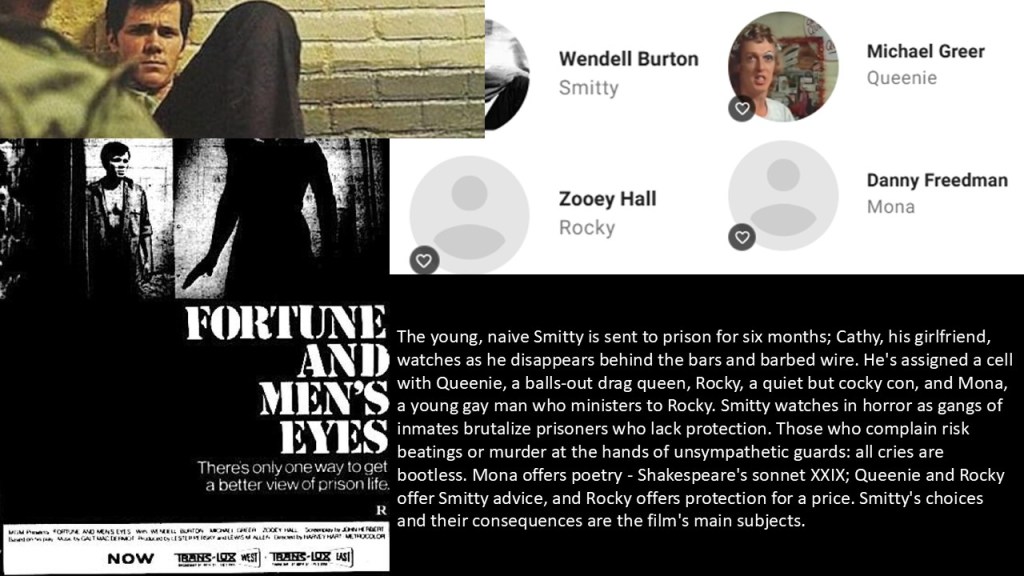
The cover of the book shows a still only of the two ‘real men’ of the play, (from right to left) Smitty and Rocky. They appear on the right of the top left photograph in the collage above, in this still with a gap between where they stand and the other prison characters (from right to left) Mona and Queenie, who are both people who love men. That the play is meant to throw up masculinity, in associations with the bars, walls, locks and keys of a prison is pretty clear from the descriptions of the characters by Herbert. Look at the picture bottom left above, where all the prisoners are seen in the shadow of The Guard, played by Clifford Pellow.
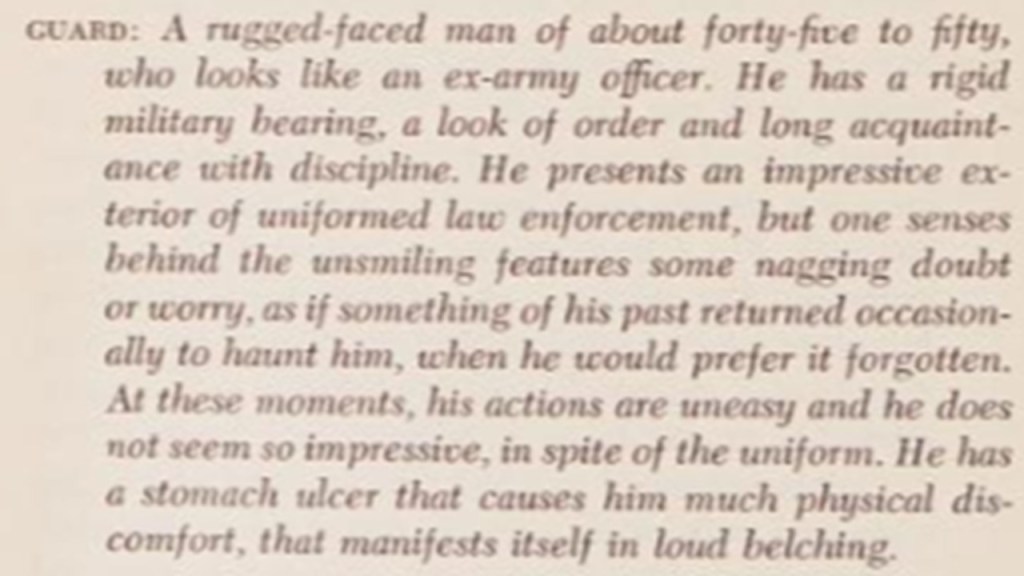
That he is there to characterise those systems that are the the forcing house of sex/gender roles is fairly clear: the army, the disciplines of civil obedience creation (‘uniformed law enforcement’) and its effect on a well-trained appearance of ideas of the man at the extreme of the sex/gender binary: rigidity of bearing, gestures of enforced discipline and order maintenance, and an appearance angry (or neutral at best) rather than smiling. But clearly all is not well in the interior of this hard-walled exterior, and manifested in psychosomatic, if real bodily symptoms, an ulcer prompted by nerves that the Guard would rather not have an effect on him: that ‘something of his past returned occasionally to haunt him’. It is true that prison officers are as mich ‘in a prison-house’ that constrains as their inmates, even if the discipline is mainly enforced on the inside. But what of the ‘real male prisoners’:
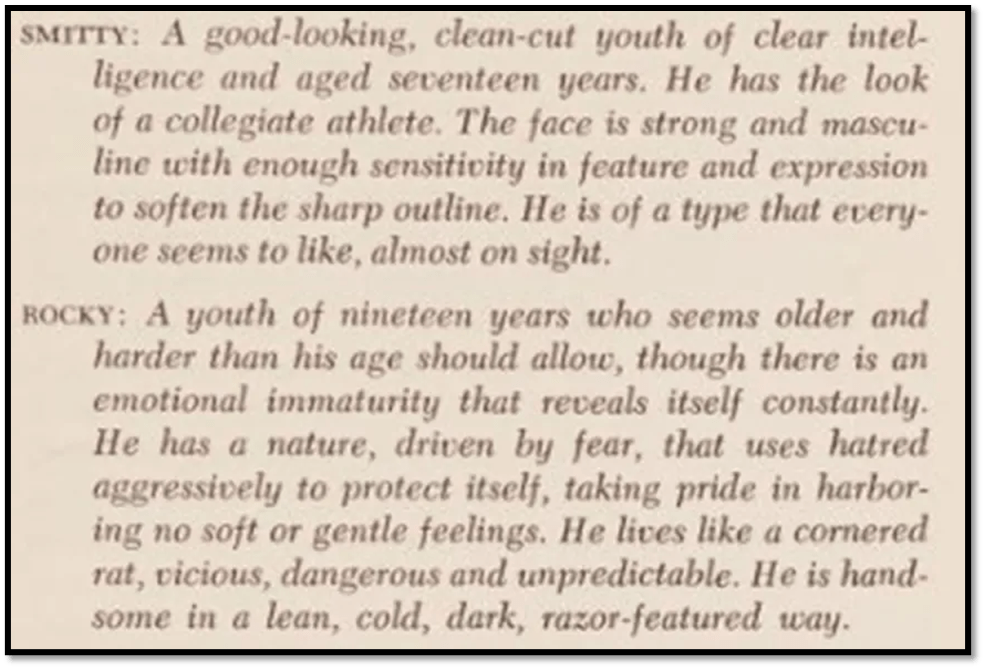
Rocky is clearer nearer to the Guard than Smitty. Rocky ‘seems older and harder’ and eschews softness and the appearance of it, so that even his ‘handsome looks’ (it’s clear why they cast a dark-haired man’ is ‘lean, cold, dark, razor-featured’. Only hard men have pronounced features (‘unsmiling’ in the Guard) Whilst Smitty is relative less moulded, cast in steel nerve, ‘enough sensitivity’ blurs features and profile to soften the sharp razors of Rocky and the granite rock of the Guard. Smitty clearly is redeemable (no wonder Engin is cast thus – did that have a message to him from Baldwin. But here I stay with the original production for Boggs believes Baldwin saw it. Here is its cast list with illustrations of (on the left) Mona and Queenie (lleft to right) and (on the right) Rocky and Mona, with Smitty looking on from behind the bars.
Here is Boggs’s speculations about why Baldwin wished to direct this play in particular:
Beyond the opportunity to serve as director for the first time, it is easy enough to see why being involved in a production of this particular play was so appealing to Baldwin. Of course, the whole question of prisons—real and symbolic—was a major preoccupation of his, from the literal imprisonments of Maynard and Newton and other Black Panthers, not to mention his own frightening experiences behind bars in Paris and New York, to his interest in breaking out of the “prison house” of masculinity as articulated in his early essay on Gide and on display in all his novels. Apparently, Baldwin had attended the play during its yearlong off-Broadway run, most likely during his brief visit to New York in the summer of 1967. This means he must have seen the Black gay actor Robert Christian play the part of Mona, the most outwardly effeminate character in the play and the one who is by far the truest to himself; it is thus impossible not to wonder what complex feelings of identification and kinship this experience must have stirred in him.
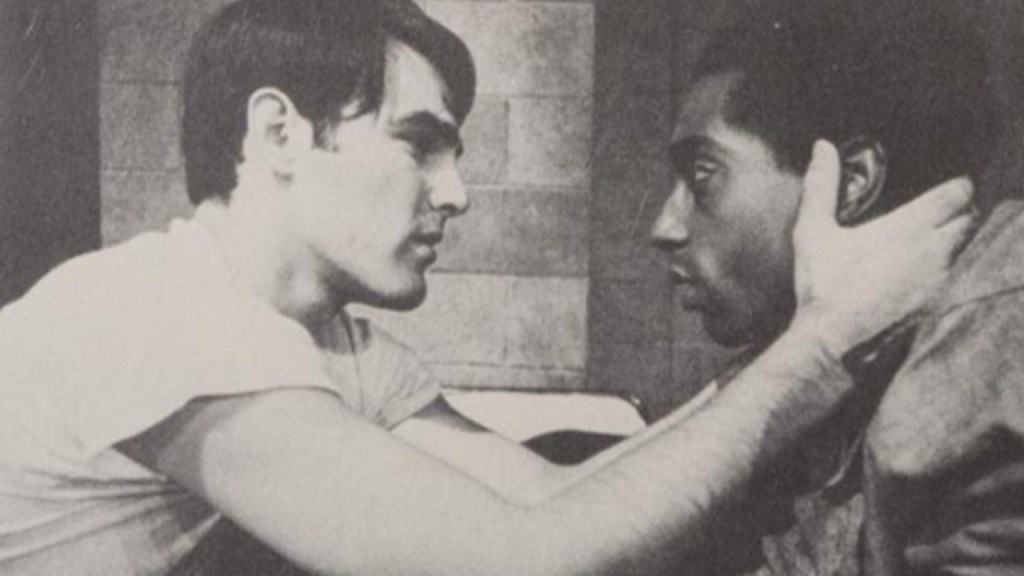
We cannot know what Baldwin knew of Robert Christian, though he looks quite a long way from the description Herbert gave of Mona, but he would have been vitally interested that a black queer actor was cast in the role so androgynous. I wonder even if Christian, who was one of the first tranche of men to die from AIDS, was followed by Baldwin. Bodily he is not like the description below but his gestural and kinetic grace may entirely have captured the point about him being ‘suspended between the sexes, neither boy nor woman’ (how can we ever now know – the photograph detail shows Mona being strangled by Smitty after Mona rejects that man’s offer of being his ‘man’). The rejection occurs despite his difference from the other men who have oppressed Mona and explained only by Mona reading to Smitty Shakespeare’s Sonnet 29 (see my first blog on approaching this play which deals with the Sonnet in preface at this link:
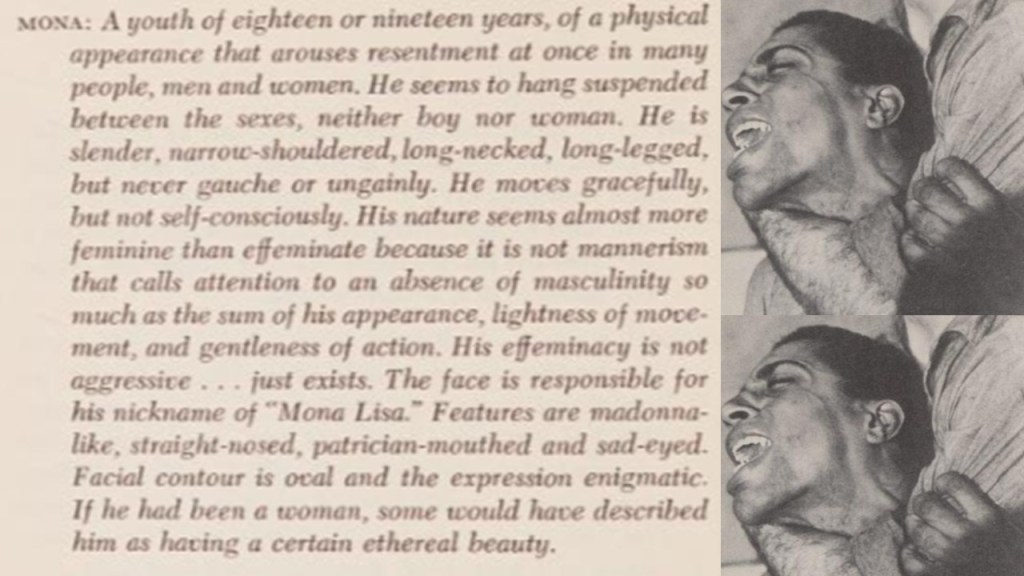
Mona captures something in Smitty akin to ‘love’ that he knows that he has never felt before. Nevertheless, he still wants Mona to enact the same subordinate role to him, sexually and in his demonstrable identity in action, as passive ‘feminine’ men ever must to hard masculine men. This is what in particular Mona uses the words of Sonnet 29 to reject for love is a state with riches very different from those of powerful men (‘For thy sweet love remembered such wealth brings / That then I scorn to change my state with kings’). If they (Mona that is) have to have Smitty’s love, it must not be a reflection of the hierarchies between men which is the only way love is permitted in the masculine prison-house, for ‘real men’ feel they must renounce their masculinity, if they renounce the binary sex/gender roles of the social reflex of love, hardly love at all. This dilemma enters every Baldwin novel.
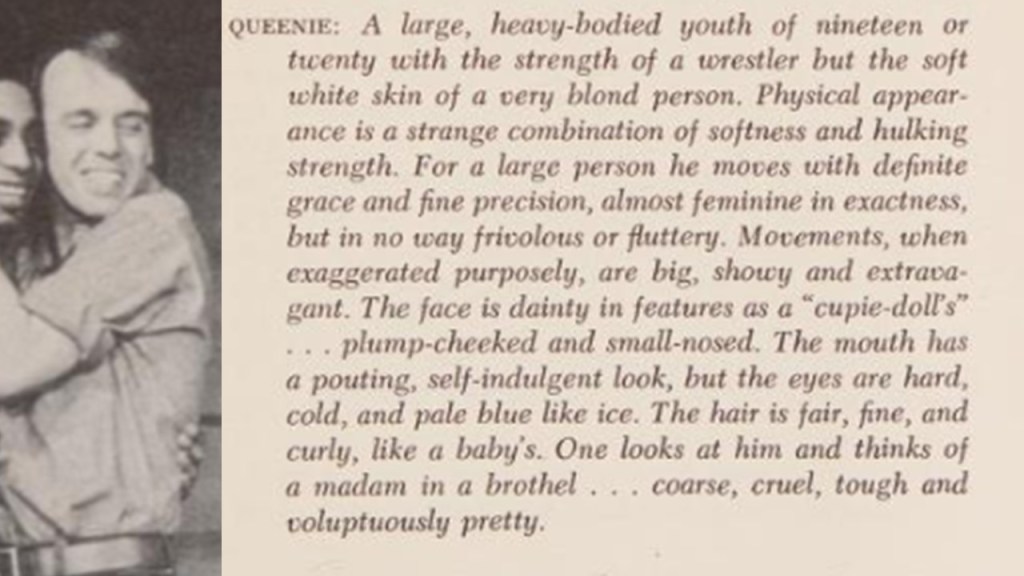
Herbert goes a long way to differentiate Mona from Queenie whose hardness and largeness (not really apparent in Bill Moor’s version) appears to clinch the masculine that only ever becomes ‘almost feminine’, never feminine in essence, as with Mona.
In the 1971 film, Andrew Greer probably captures that hardness and resilience best, or at least the still seems to say.
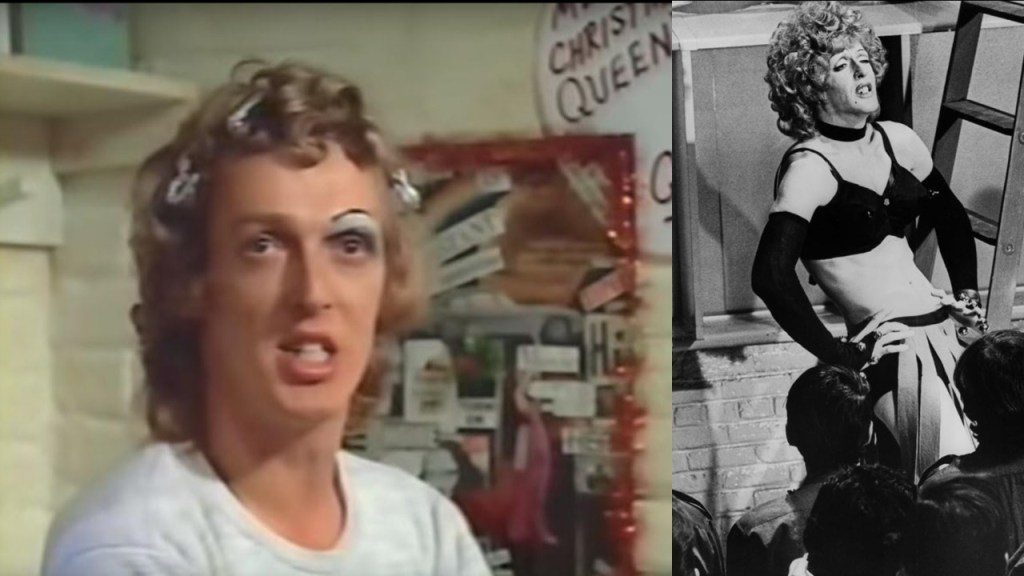
And Mona in that film is both white and frail looking, dominated by Queenie except but for the capacity to inhabit the world of books and their interiorised culture of emotional assertion to which none of the the other men have access, their world being hard and aggressive as in the mini-scenes on the left of the collage. Baldwin however felt he had this access.
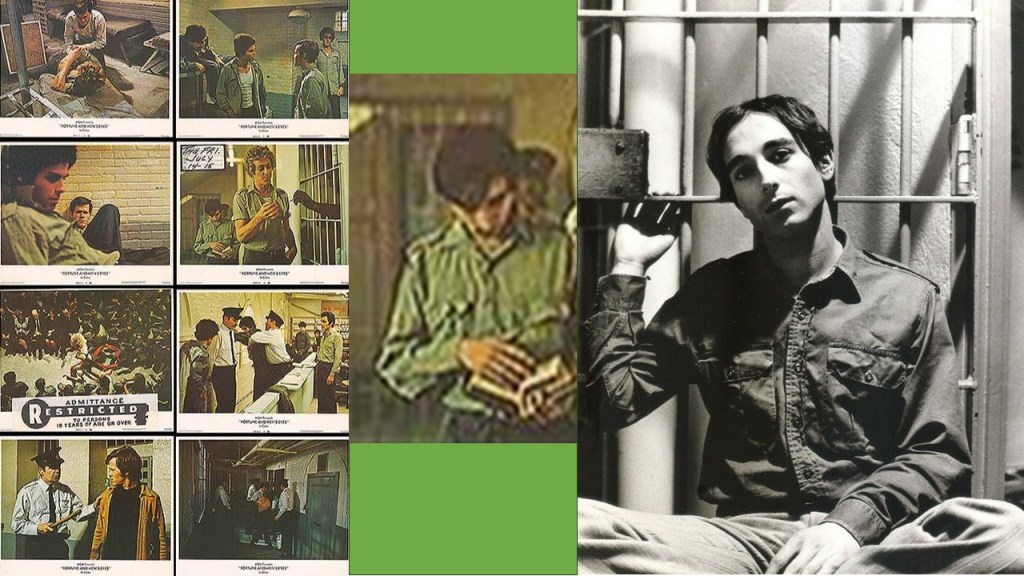
Even the story-line of the filmas told below (I cannot access a copy to see it) seems to differ from the play in playing down the complexity of Mona. Although Baldwin couldn’t have seen the film before he directed the Turkish version, it is no wonder he felt that he needed to take control of the casting of Mona, whom he was beginning to see as more important than Smitty, despite the casting of his secret lover and ‘real man’ Engin was a fait accompli:
Boggs tells the story beautifully of the casting process of the Turkish version that I have already referred to:
… it was always clear to everyone that Engin should play Smitty and Poyrazoğlu should play Queenie. Casting Mona, however, would be a challenge, since the role demanded a natural androgyny that would be hard to come by. But for Baldwin this was the most crucial role, so he had said to Engin and Gülriz [Engin’s wife], “Find me a Mona Lisa that I like and I’ll stay out of the rest [of the casting].” With their vast contacts in the local theater world, it wasn’t hard to find actors capable of playing Rocky and the Guard. For the former, they settled on a relative newcomer named Erden Alkan, and for the latter they cast the actor Aydemir Akbaş, who Balamir said “was extremely good, especially because people were accustomed to seeing him in comedies and here he was a tough guard.” But finding a suitable Mona was indeed proving to be elusive. “It wouldn’t be enough for a good actor to play it,” Gülriz explained, because “his face was equally important, and we had such a hard time.” One day, Gülriz recalled, “to talk about the play’s décor, I brought [an interior designer named] Bülent Erbaşar home.” In fact, he had played some very minor background roles onstage; however, mostly “he had worked on the interior and decoration of Kenter Theatre and worked as the décor artist for many plays [but] as I was talking to him, I remember jumping to my feet and yelling, ‘I got it!’ Bülent would play Mona Lisa. I had found him where I wasn’t looking.” She immediately introduced him to Baldwin, who yelled out “Wooooooow!” as soon as he saw him. “Yes,” Gülriz wrote, “he was the Mona Lisa this play needed—Bülent, with his pearly white teeth, slanted eyes, his young and thin face curtained by light brown hair with streaks of white, his eyes that looked at you with so much sadness but always with a smile on his face.” Even though Engin was the headliner and his star turn as Smitty was supposed to be the play’s defining role, in the end, as Balamir later recalled, it was Erbaşar as Mona who ultimately “stole the show.” (pp. 456f.)
If the hardness of men of nerve,male actors of steel nerve, is a brick wall, what then!. Brick walls allow no movement on:
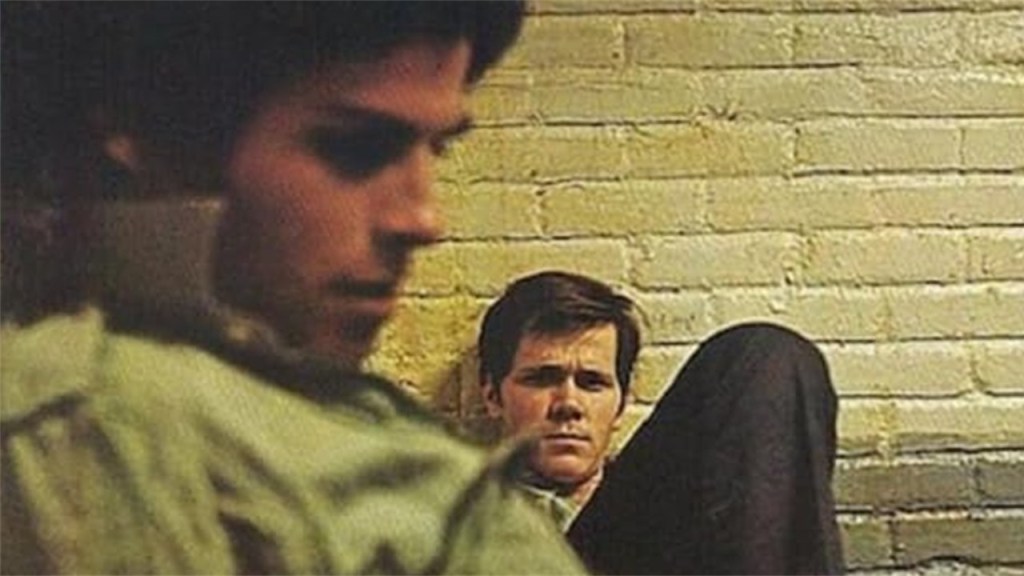
My own feeling, heavily suggested by Boggs anyway, is that Baldwin continually had to remind himself that the binary of masculine and feminine (or, as far as he was concerned Black and white) did not represent reality and were barriers to human love (like the terms heterosexual and homosexual) . It is this idea that feels so brilliantly exposed in Boggs, as well as, of course, the contradictions to its assumptions sometimes in his polyamorous behaviour, sometimes with people much more vulnerable than he, whatever their macho claims:
… For from this period forward, much of his writing would involve a concerted effort to think through and beyond the social mores of gender in complex and often contradictory ways that were far ahead of their time. Indeed, it was in the early draft of “No Papers for Mohamet” that he would produce portions of what would much later become, word for word, paragraph for paragraph, part of his 1985 essay, “Freaks and the American Ideal of Manhood,” which would open thus:
To be androgynous, Webster’s informs us, is to have both male and female characteristics. This means that there is a man in every woman and a woman in every man. Sometimes this is recognized only when the chips are, brutally, down—when there is no longer any way to avoid this recognition. But love between a man and a woman, or love between any two human beings would not be possible did we not have available to us the spiritual resources of both sexes.
In writing the love story at the heart of If Beale Street Could Talk, Baldwin hoped that accessing the “spiritual resources of both sexes” would allow him to move beyond what he had been able to accomplish in Another Country. (pages 546f.)
This biography has made it necessary for me now to read the later Baldwin, in ways I could not allow myself to dismiss, as some critics still do, stuck in the elitist thinking that saw Baldwin’s career as in constant decline once he embraced subjects at the margins of society and voiced them. Among those critics, is the biographer James Campbell (read my blog on him at this link) who still pursues the narrative of Baldwin’s decline into the woke social rather than keeping on literary high ground.
Boggs shows me that this is probably not only nonsense but a misunderstanding of the artist. It is not a limitation to pursue a truly queer art, but an invitation to innovation of what we mean by art, culture, identity and society. Campbell says: ‘If I had come into possession of some intimate information, would I have used it? I’m not sure. The same goes for detailed discussion of his mostly unhappy love affairs. Is it any of my business? Is it yours? Some things remain private after death – …’ Yet Boggs refuses to be satisfied by the fear of the intimate in Campbell and will not allow Campbell to make him feel an intrusive voyeur by focusing entirely on a four focus point poly-amorous lifelong story of ‘love’ – not love of one person nor of always otherwise significant persons, but love of love and one instance of a growing understanding of it as ambitious as Plato’s, growing between persons who instantiate love for a duration but aren’t it.
What the book could teach us is that having the nerve to be courageous is not always the lot of hard men (or hard women) but also of soft men and women and that to be nervous and fearful in our vulnerability is not the opposite of courage and nerve.
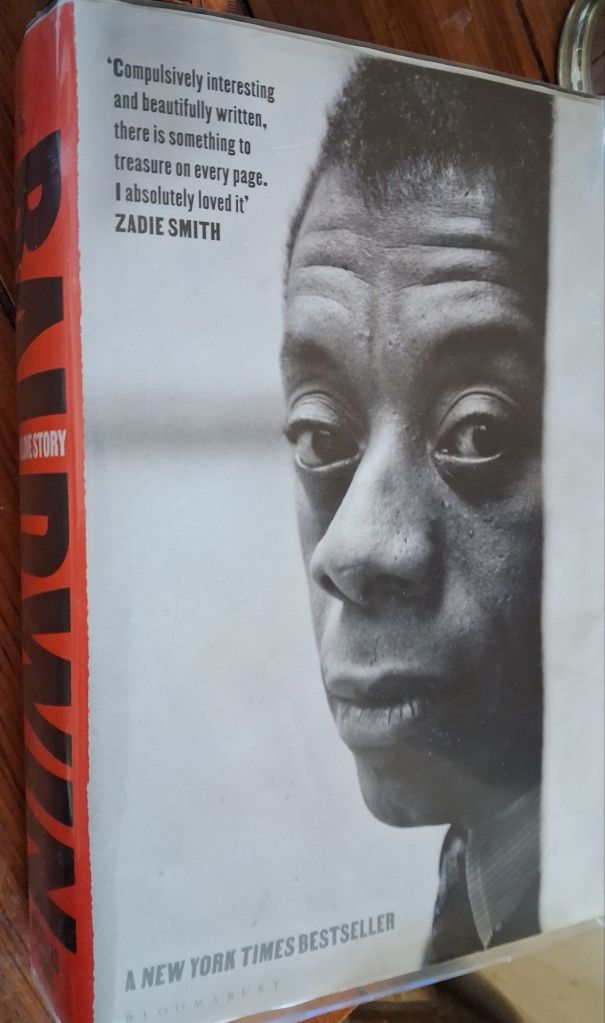
All for now. I love the biography. Do read it:
With love
Steven xxxxxxxxxxxxxxxxxx


5 thoughts on “Making you the man of nerve or nerves you are: from hard resilience to soft and fearful retreat. A case study based on Nicholas Boggs (2026) ‘Baldwin: A Love Story’ and the import he detects in Baldwin’s role as director of ‘Düşenin Dostu’ (‘Friend of the Fallen’ in English), the Turkish version of John Herbert’s ‘Fortune and Men’s Eyes’ in Istanbul.”