

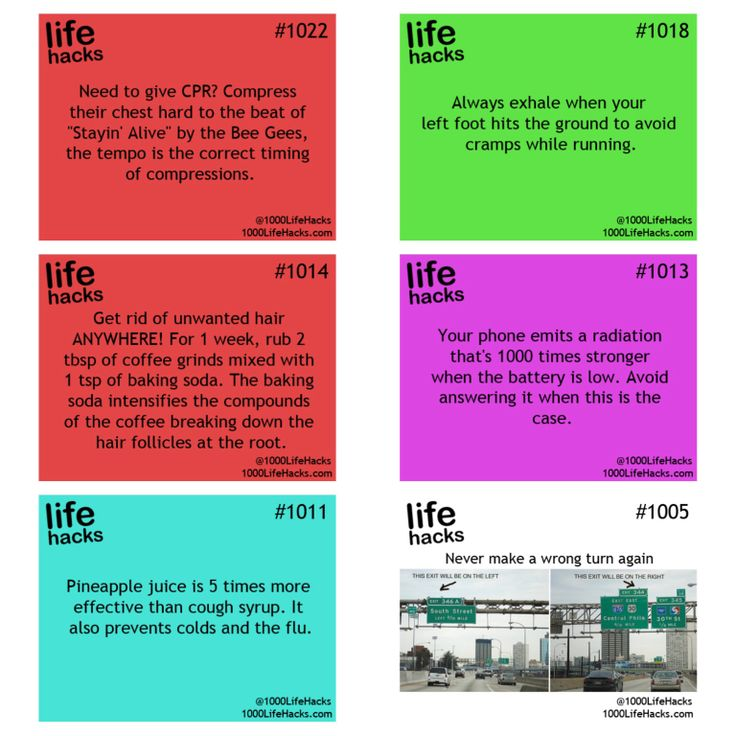
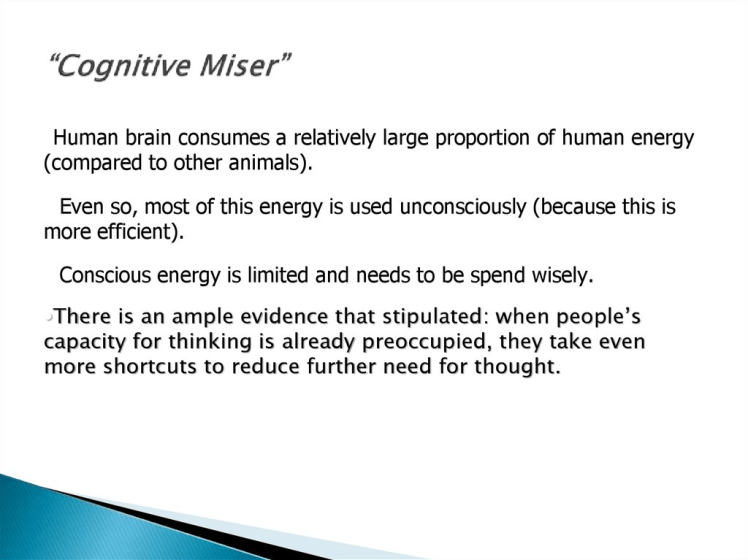
Did I have to look up that idiomatic term ‘life-hacks‘ because of my age and slow adaptation to computer technology? Perhaps that is the case but it soon dawned upon me that the term ‘Life-hacks’ is yet another example of itself, a way of pretending to understand a more complex explanation of the process by which human understanding of a problem and its solution is reached and implemented. It is also perhaps a ‘democratisation’ of that understanding. Although I may be wrong in any of thoselatter thoughts (and constructive helpful feedback is welcomed), we can find a life-hack, briefly defined in Wikipedia as ‘any trick, shortcut, skill, or novelty Improvisation that increases productivity and efficiency in all walks of life’. There it seems a kind of conscious application of the psychological explanation of the shortcuts to more complex and intelligent thinking that the psychologists Fiske and Taylor named the ‘cognitive-miser‘ model.
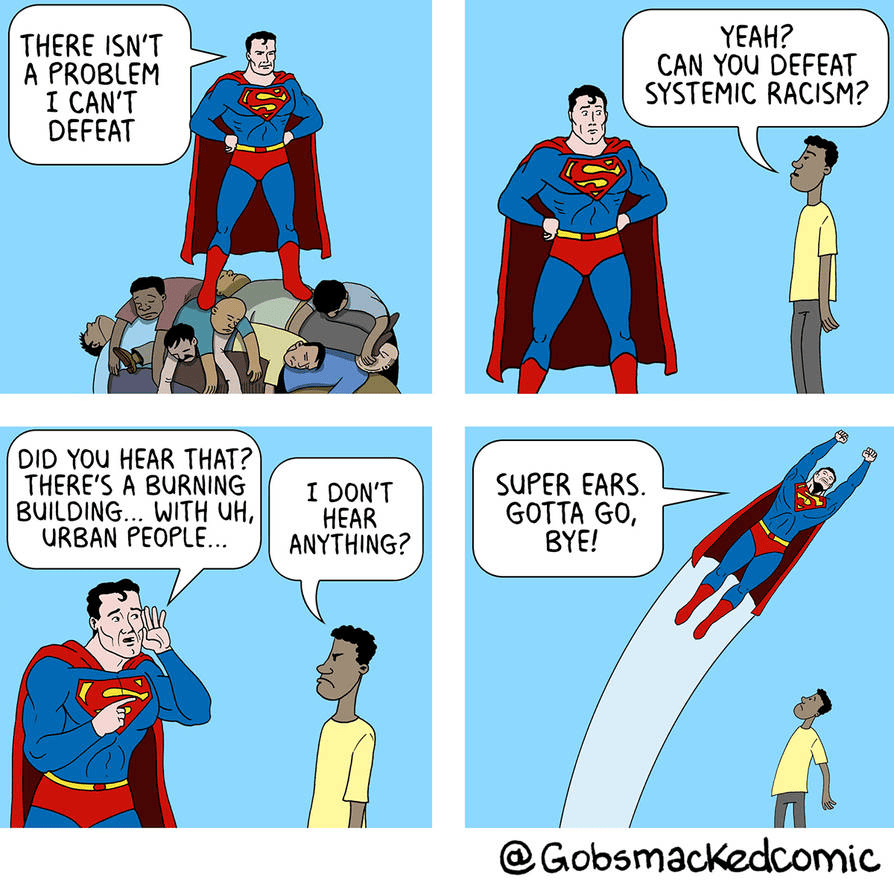
In both life-hacks and the cognitive miser approach there is, it seems, an attempt to explain , although in ‘life-hack’ thinking also an urge to put into operation and justify means of simplifying the complex and shorten the duration of otherwise long (and energy expensive) processes. We admire the person who uses life-hacks well, making their kind of magical thinking, thinking that depends on something other than effort, seem like a super-power. I think we find that admiration expressed in some super-hero figures, who justifiably bypass unanswerable questions by looking for obvious non-controversial answers to complex human management problems.
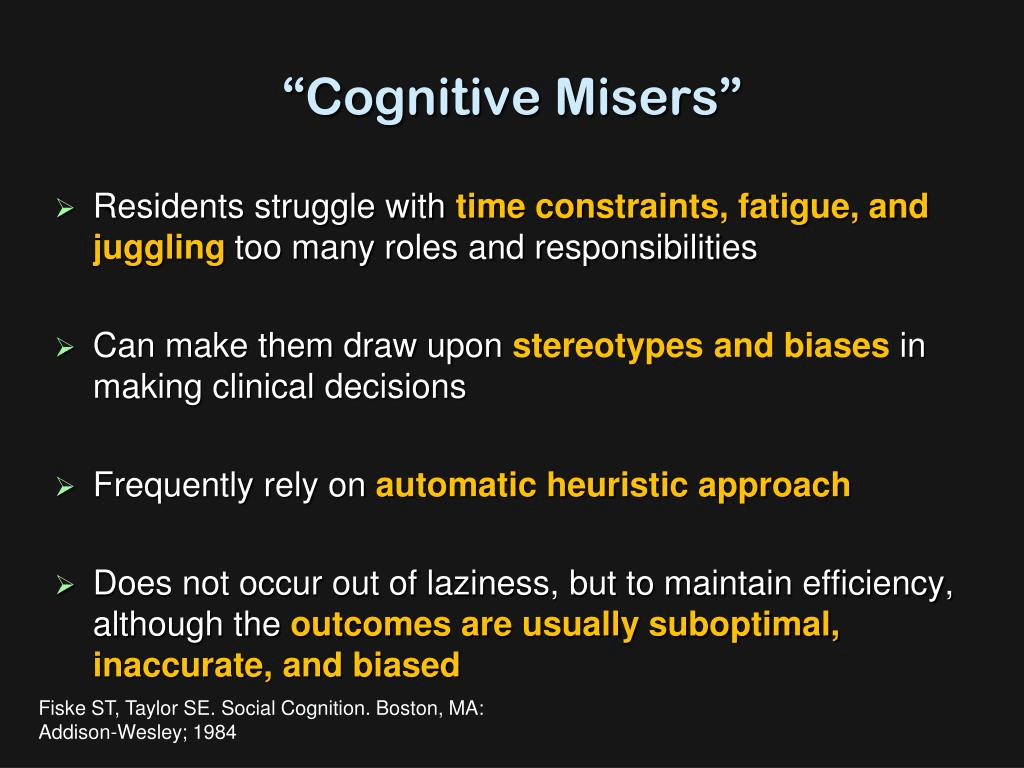
Fiske and Taylor too the example of resident doctors following an unconsciously applied cognitive miser apprach thus:
It is worth noticing that the ‘cognitive miser’ name relies on an unsympathetic stereotype itself: misers like Scrooge in A Christmas Carol are rarely characters we wish to identify with and in themselves are a poor explanation of the problems of unfair economic distribution of wealth, a problem Dickens, even at his most radical, more often bypassed.
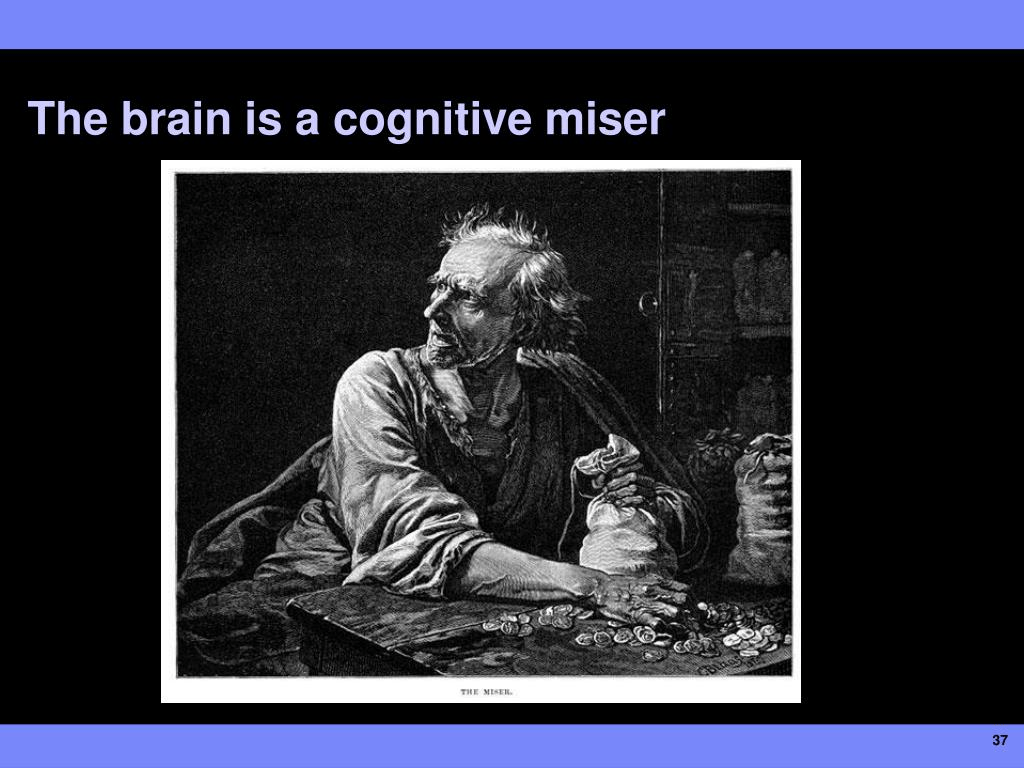
Using the miser is a cognitive miserly approach to understanding how and why people need, or feel they do consciously but more often unconsciously, to conserve the energy required in thinking or working out an answer to a problem that you have the time to deal with in the immediate urgency of a present that too often overwhelms us. So let’s think of the shortcut taking as ‘hacking. Now the hacker is not an immediately appealing stereotype but is one that has become a cool way of understanding those with an efficiency model in life, like the ‘hustler’, who was once a male prostitute and now is a model of someone cutting through work in an over-busy environment or life in which our prime aim is to survive. No wonder the term derived from the computing industry, often popularly used of those who emphasise its rule-breaking readiness (and oft with criminal intent) but in the circlesof the known characterising those who use shortcuts to make a quicker path to their goal and judge an action by its outcomes not the legitimacy and possible disadvantages of its corner-cutting.
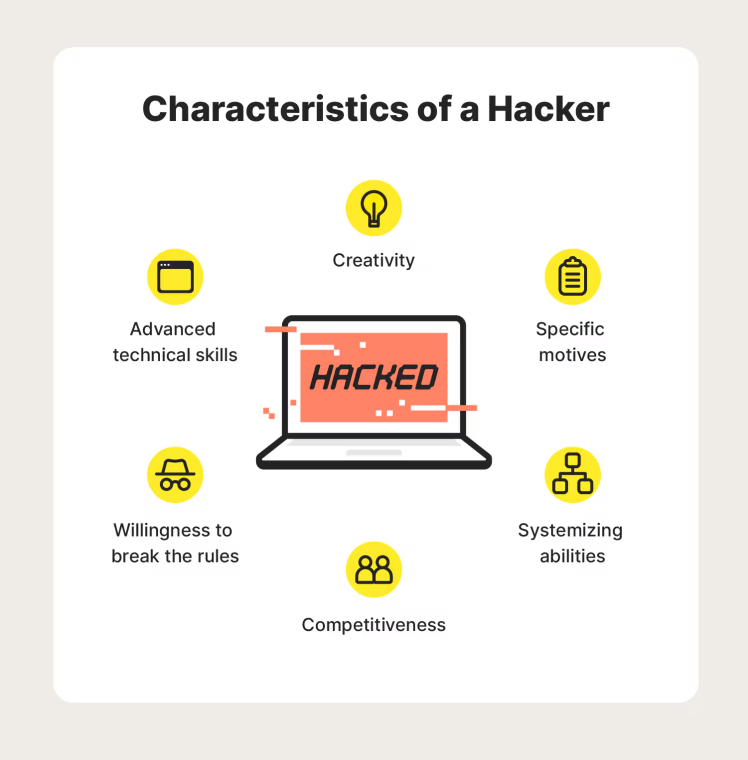
Hackers are thought of as both villains or heroes depending on how fat they stretch the ‘rules’ they are willing to break – into, for instance breaking laws or breaking moral codes like inadvertently endangering others as in those who hack into large organisation software regardless of whom they hurt.

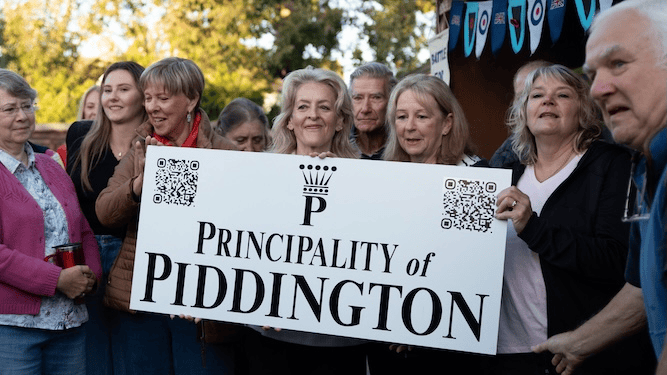
So how do we answer this question? We are meant I suppose to boast of ways we have bypassed barriers to a goal in our life and achieved it at less cost – although costs to others may not be calculated into the estimate. Heuristics are supposed truths that shorten processes, and are invoked often unconsciously (without us overtly knowing we are doing this) but which are usually avoided for a reason. Stereotypes are the best example of a dangerous heuristic used when confronting a real problem. Think of the terror of the raping and child-molesting alien behind the heuristics to understand solutions to immigration policy in that blessedly stupid village of Piddington recently, which has modelled its action on that craziest of political heuristics of a terrified nation, Brexit .
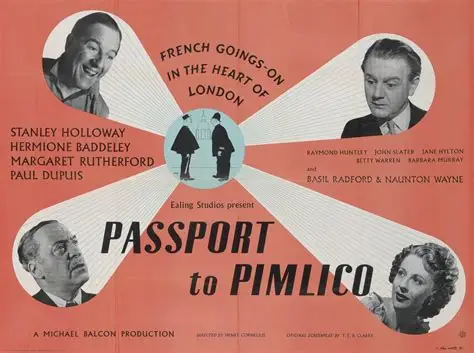
Perhaps another model was the old Ealing film by Michael Balcon, Passport to Pimlico, about instituting a claim of the Duchy of Burgundy fora London community in post-war London of austerity that everyone wanted to bypass, oft blaming it on the Labour Government!
So ask again about the ‘life hacks that you practice?’. And I will hope I say, probably covering over a lot of errors from my own past, that I try to spend my time avoiding life-hacks and the pain they cause in the long-term or the guilt they cause when they work and I have to face the consequences of them in seeing the suffering of others. On the other hand, these things don’t seem to worry Donald Trump and Benjamin Netanyahu overmuch – those life-hackers of our century, who equate themselves with a stereotype of a nation.
All for now with love
Steven xxxxxxxxxxx

