


I have always loved words that fox the mind,
Words of the archaic or rare-used kind.
My life-story is inenarrable.
I can't tell you stuff I'm not capable
Of telling either if I'm deficient
In apt terms, or secretly efficient
In hiding things I dare not let you see
In case perchance you think badly of me.
I came across the word inenarrable for what I think was the first time yesterday and it foxed me. My intelligent friend Joanne guessed it related immediately to something that can’t be made into an adequate story for she heard the tern ‘narrate’ in it, which I missed. But indeed it derives etymologically ultimately from the Latin to narrate, or tell a story or describe:
inenarrable (adj.): “inexpressible, that cannot be told, indescribable,” c. 1500, from Old French inenarrable (14c.) or directly from Latin inenarrabilis, from in- “not, opposite of” (see in- (1)) + enarrabilis “describable,” from enarre “to narrate.” (from: https://www.etymonline.com/word/inenarrable)
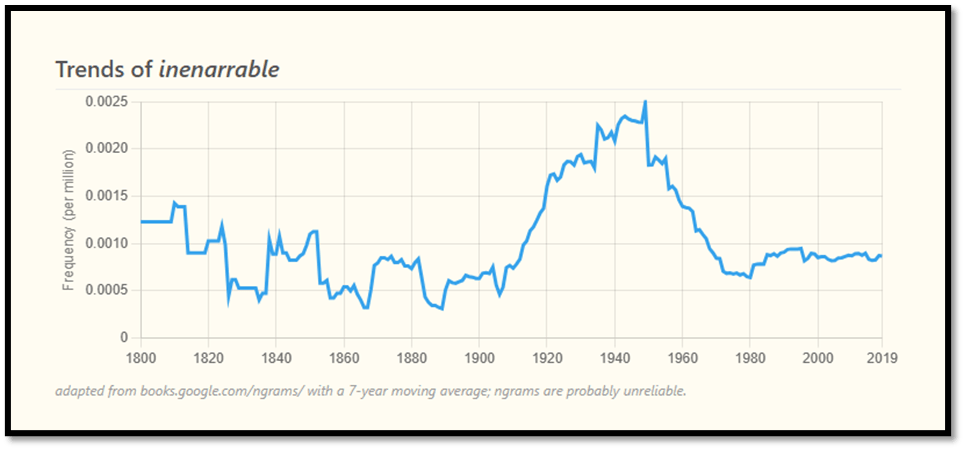
In that case you see, Joanne, who keeps thinking her ability with words deficient, wrongly, showed why her ability surpassed mine – she used inferences from the look or sound of the word to guess, in this case dead right, the meaning. In truth, this is how vocabulary is acquired more than in the use of dictionaries – the latter was the means to which I was reduced. And this particularly in a word whose contemporary frequency of usage is vanishingly small. You might not think so from the Google n-gram below before, at least, you notice the minuteness of the range of frequencies of usage in printed texts samples used by Google and the scale of the graph below from 1/50,000 to 1/ 25,000 %. Hence, even the ‘peak’ of usage between 1930-1960 is hardly noteworthy, and possibly explained by the fact that that period fostered a curiosity about archaic words in school, of which I was a ‘beneficiary’ and had quizzes about ‘hard words’ to define on the BBC.
But why might you think your story or point is impossible to narrate or describe? People sometimes doubt their capacity with appropriate words for what they want to say, or are taught by someone that they are thus deficient – education was once like that; a machine for suppressing development in marginalised children, those already without advantage or unrecognised skill and intelligence. But another reason might be that you want to disguise your story lest what you tell people is used against you – social work of the worst sort was actually like that once too.
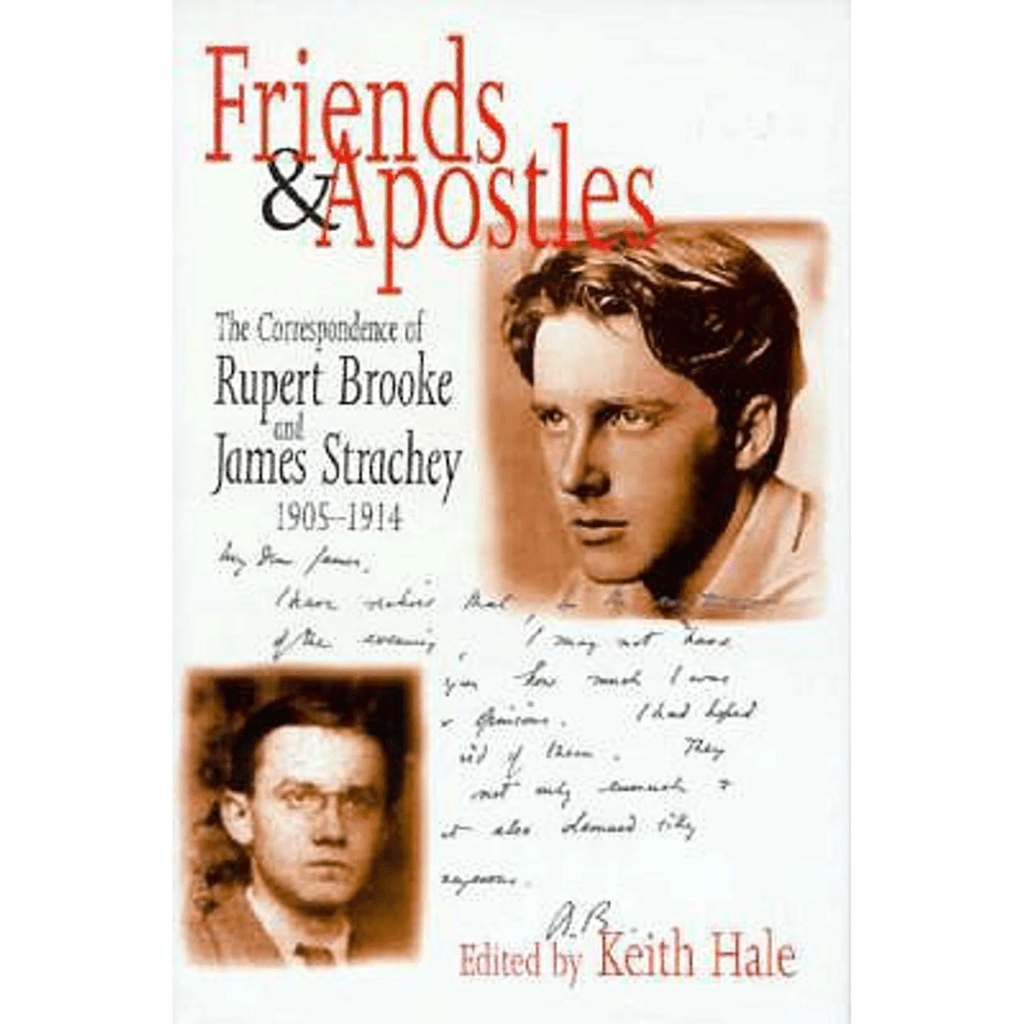
But I found the word in a poem by Rupert Brooke, The Great Lover. Brooke was a beautiful-looking man, oft called an ‘Apollo’, and had love affairs with many men and women, even exploiting the greater freedom of love between and within each sex and intermediate sexes in the Polynesian islands, like Gauguin.
I have been so great a lover : filled my days
So proudly with the splendour of Love's praise.
Addressed so vaguely Rupert upset no-one, but a few lines later he uses the word I favour now. In the continuing poem, a few lines down, the lyric voice calling itself ‘I’ confesses that its great skill in life was loving; speaking of how he should go on to name the persons he loved.
Shall I not crown them with immortal praise
Whom I have loved, who have given me, dared with me
High secrets, and in darkness knelt to see
The inenarrable godhead of delight.
To people in the know about Rupert’s love life, not least John Maynard Keynes, James Strachey, the English translator of Freud, and Lytton Strachey, the idea of ‘secrets’ in love that must be ‘dared’ does not confine love to the squeamishly heteronormative, and the idea of Rupert kneeling may not have only have suggested the ritual religious theme of a ‘godhead’ worshipped at an altar. Like much of the best Brooke (those poems Gavin Ewart prefered over his mawkish and sentimental war poems, especially ‘The Soldier’). The poem is one of those that marginalises sentiment with humour – the things Rupert has had great love for are not in the poem named individuals, though he prefaces the parts of it that ‘names’ them: ‘These I have loved:’. What, in fact, follows these words are every days things, possibly rightly called ‘inenarrable’ because so ordinary and everyday, such as white crockery, wet roofs under lamp-light, crusts of ‘friendly bread’, and so on. But things like that can tell other stories that may not be recognised. Try this one, for instance, which starts off about being about the joy of fresh sheets on your bed for the night.
Then, the cool kindliness of sheets, that soon
Smooth away trouble; and the rough male kiss
Of blankets; grainy wood; live hair that is
Shining and free; blue-massing clouds; the keen
Unpassioned beauty of a great machine;
The benison of hot water; furs to touch;
The good smell of old clothes; and other such-
The comfortable smell of friendly fingers,
Hair's fragrance, and the musty reek that lingers
About dead leaves and last year's ferns....
                                                  Dear names,
And thousand others throng to me! Royal flames;
Why you might ask does he suddenly gender the bedding, so that blankets have a ‘male kiss’, something a bit rougher than the cool white sheets enjoyed earlier? And why for a moment does human delight both when smelling sweet or rank. The whole, whilst attempting to avoid the anthropomorphic in favour of everyday stuff that is not usually described, named or put in stories, actually literally ’embeds’ the sexual and sexualised sense and even the awareness that some enjoyment is mechanical, and ‘unpassioned’.
By the way, my autobiography ain’t gonna be written with any first sentence! Maybe because it is too boringly enarrable.
All the best & with love
Steven xxxxxxxxx
 Steve_Bamlett_blog