Describe your dream chocolate bar.
Used as an adjective here, the word ‘dream’ is usually thought to have the equivalent meaning as, to some extent, clearer adjectives like ‘perfect’ or ‘ideal’, but the force of the meaning of the noun persists, which describes an event that occurs entirely within the person, and with the same disregard for exactitude of boundaries, where perceived reality and invention need not be distinguished.l
Description is an expression of the thing that a speaker or writer wants to impress upon the receptive mind of a listener or reader respectively. But to describe a ‘dream’ chocolate bar is not to describe a thing per se but my wishful fantasy of how, for me and perhaps me alone, a chocolate bar ought ideally to be.
In fact, a manufactured and ‘real’ Dream Chocolate Bar used to exist in the UK, until 2002 when it was discontinued by Cadbury, although it is still available as an import from Australia
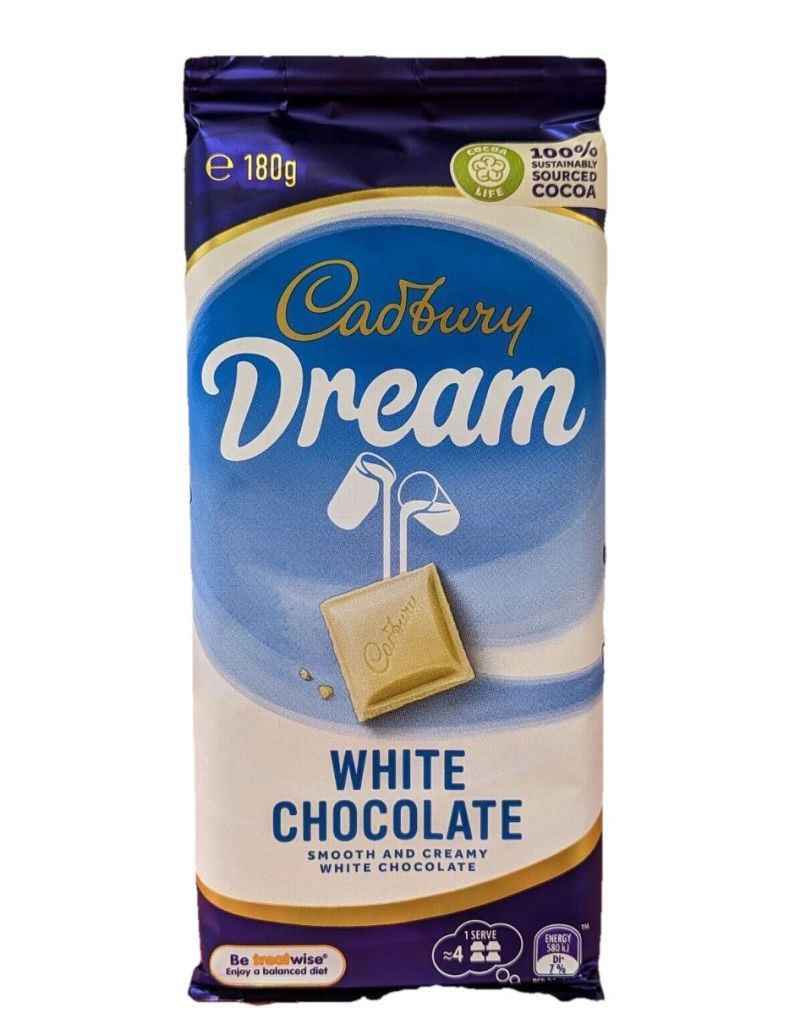
The advertisers have to describe this bar in ways that make it appeal to wishes and dreams. Here is one go at that from an importer:
Cadbury Dream White Chocolate (180g) is a smooth and creamy white chocolate bar made with high-quality ingredients for a rich, indulgent taste. Its velvety texture melts in your mouth, delivering a sweet and luscious flavour that chocolate lovers adore. Perfect for sharing, baking, or enjoying as a personal treat, this 180g bar is ideal for those who appreciate the luxurious taste of white chocolate.
Imported from Australia
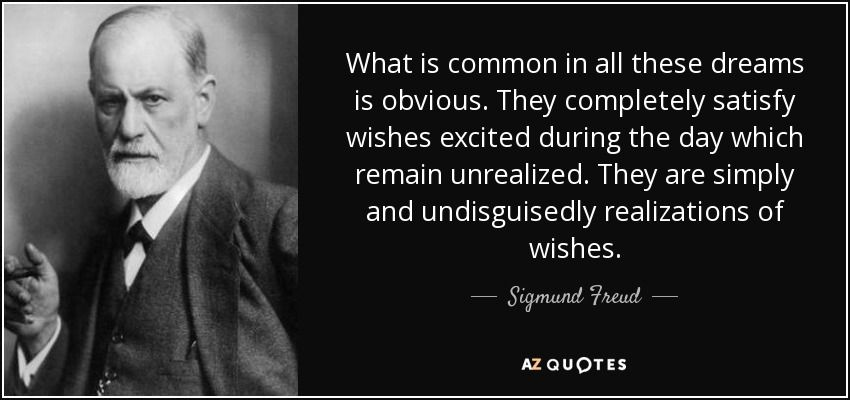
Does that evoke a ‘dream’ chelated bar to you or just a trademark ‘DREAM‘ bar with the same sugary-milky qualities as other Cadbury bars. What is clear is that even here,description is not intended to be accurate but instead to prompt desire in its reader for associated sensations and feelings with metaphoric adjectives like ‘luxurious’ , ‘velvety’, and ‘luscious’. There is not intended to be precision nor accuracy here, for those qualities rarely evoke free-floating desire for wish fulfilment. We don’t need Sigmund Freud to tell us that a dream is, after all, nothing more [though oft disguised in form and feeling] as the fulfilment of a wish.
So why invoke Gertrude Stein here. Partly, this is contingent on the fact that I have just started Francesca Wade’s bold new biography, Gertrude Stein: An Afterlife, in the bath, of course.
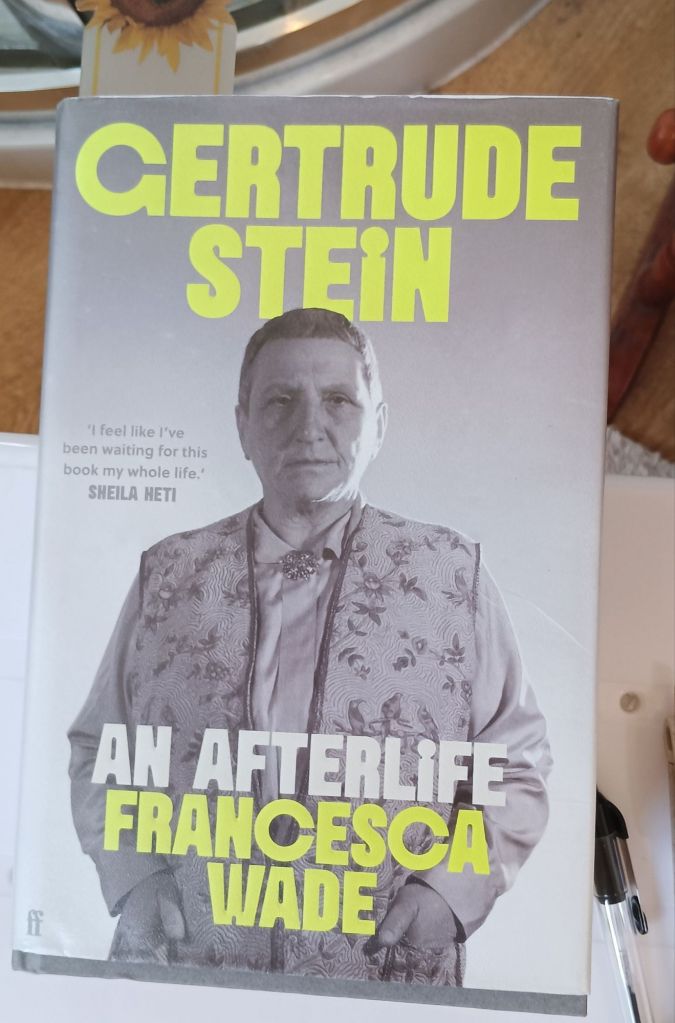
But I am doing so because I have always felt the puzzle of why so many of us resist Stein’s prose (or verse). I have only read three chapters of the biography so far. This is partly because the introduction shamed me to return that one book of hers that most of us have read (or tried to do – though it is her plainest on the whole): The Autobiography of Alice B. Toklas. I read it in the beautifully illustrated (by Maira Kalman) modern USA Penguin edition.

What fascinated me in this read or re-read, for I can’t remember which it must be, is not the endless record of meetings with great painters and a few writers, including Ernest Hemingway and Glenway Westcott, the last of whom she felt ‘nice’ but not interesting as a writer, but the odd remarks, spoken as if ventriloquist into the mouth of Toklas about her fascination with writing itself: especially the formation of sentences. In
I will write on all this, and other things that catch my eye, when I have read it, but here I want to see if she can help us with this dream chocolate bar description and being urged to write one by WordPress. When dealing with the winter of 1927, Toklas narrator / Stein voice they refer to the publication (in Transition Magazine) of the piece referred to as ‘Elucidation’, saying:
It was her first attempt to state her problems of expression and her attempts to answer them. it was her first effort to realise clearly just what her writing meant and why it was as it was. (1)
Little elaboration or elucidation will be found in the book afterwards (as indeed in Elucidation or How To Write) but within two pages there is paragraph, which try and say what a written description must be. First it must distinguish inner and outer reality and avoid ‘associational emotion’and this truly addresses the sloppiness of using ‘dream’ as an adjective, messing between the outside and the inside by evoking the guilty wish for the ‘rich’, ‘luxurious’ and ‘velvety’.
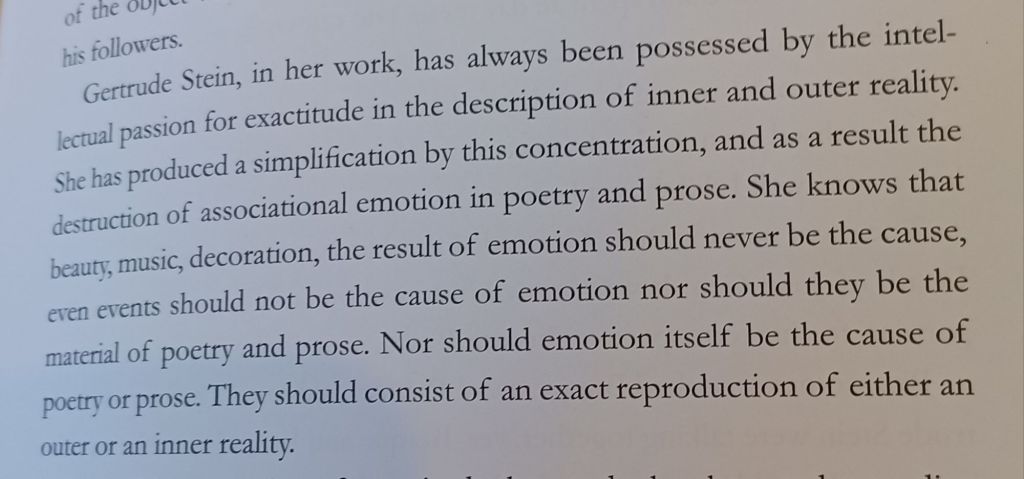
Gertrude Stein illustrated Maira Kalman (2020: 249) The Autobiography of Alice B. Toklas. Penguin New York.
But there is much to say. Maybe in my blog on the biography.
Bye for now
With love
Steven xxxxxx
_____________________________________
[1] Gertrude Stein illustrated Maira Kalman (2020: 247) The Autobiography of Alice B. Toklas. Penguin New York.
 Steve_Bamlett_blog
2 thoughts on “The problems of expression with exactitude: how to start thinking about Gertrude Stein as a meta-writer [a writer who writes mainly about the nature of writing].”