
When Tennyson published the lyric usually recalled as a Christmas and New Year hymn in 1850, he was as keen to eradicate old corruptions as welcome new vigour, although he lefts the politics of the change he wanted vague in order not to contradict any powers that be. The point of the poem remains is that bells cannot ring ‘in’ without ringing ‘out’ for they are absorbed in a cycle of ritual rather than of real action in the world. In such mythic cycles, you can wish for the end of poverty and the ‘narrowing lust of gold’, without doing much to bring that about, except wait for ‘the valiant man and free’ to come and do it for you. If we are happy to see ‘old corruption’ die, we have to remember that the new ways of acting and being will themselves grow old and die by the same time next year.
Ring out, wild bells, to the wild sky,
   The flying cloud, the frosty light:
   The year is dying in the night;
Ring out, wild bells, and let him die.

Ring out the old, ring in the new,
   Ring, happy bells, across the snow:
   The year is going, let him go;
Ring out the false, ring in the true.

Ring out the grief that saps the mind
   For those that here we see no more;
   Ring out the feud of rich and poor,
Ring in redress to all mankind.

Ring out a slowly dying cause,
   And ancient forms of party strife;
   Ring in the nobler modes of life,
With sweeter manners, purer laws.

Ring out the want, the care, the sin,
   The faithless coldness of the times;
   Ring out, ring out my mournful rhymes
But ring the fuller minstrel in.

Ring out false pride in place and blood,
   The civic slander and the spite;
   Ring in the love of truth and right,
Ring in the common love of good.

Ring out old shapes of foul disease;
   Ring out the narrowing lust of gold;
   Ring out the thousand wars of old,
Ring in the thousand years of peace.

Ring in the valiant man and free,
   The larger heart, the kindlier hand;
   Ring out the darkness of the land,
Ring in the Christ that is to be.
Tennyson was indeed a liberal humanist but not naive enough not to know that the riches of his later life rested on oppressions that he was not overly keen to kill off permanent and a-symbolically. Christmas serves this purpose: Crisis at Christmas is a perpetual concern – numbers of people are given meals over a short period (and some – and it is no small thing) helped to a path of permanent change, but Christmas truly only serves to maintain our sense that we are a community of well-being and charity (sometimes without the love it also once denoted) without changing things at all – what we ‘ring’ in with ‘wild bells’ will be as corrupt and war-torn a world as the one we say goodbye to. And yet we saved our own ‘tiny Tim’ didn’t we: Didn’t we?
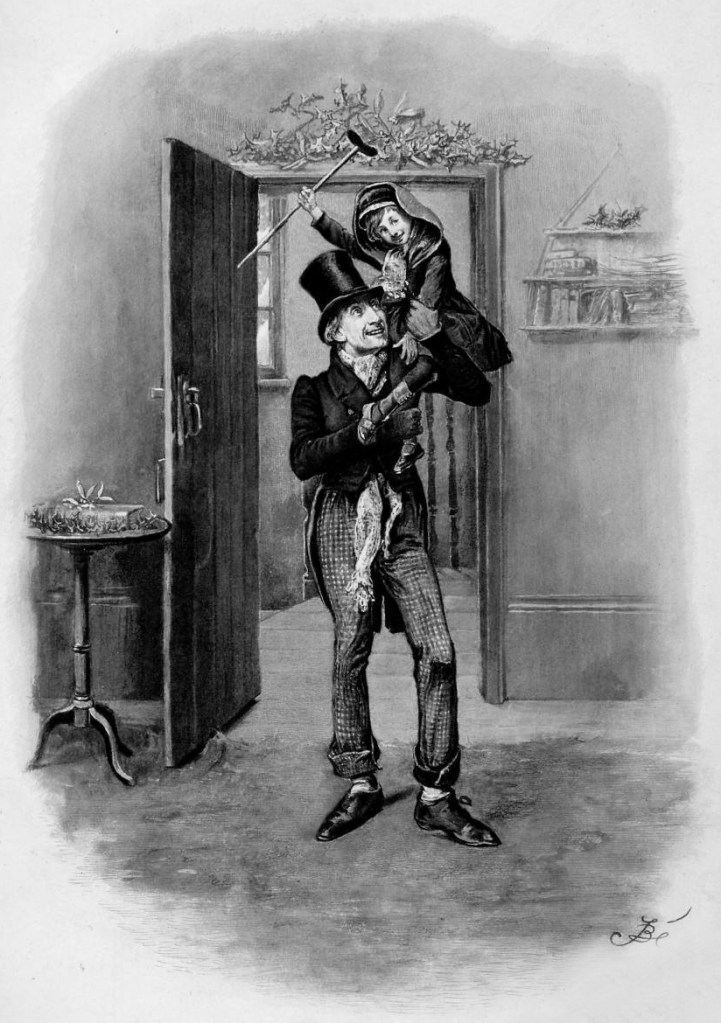
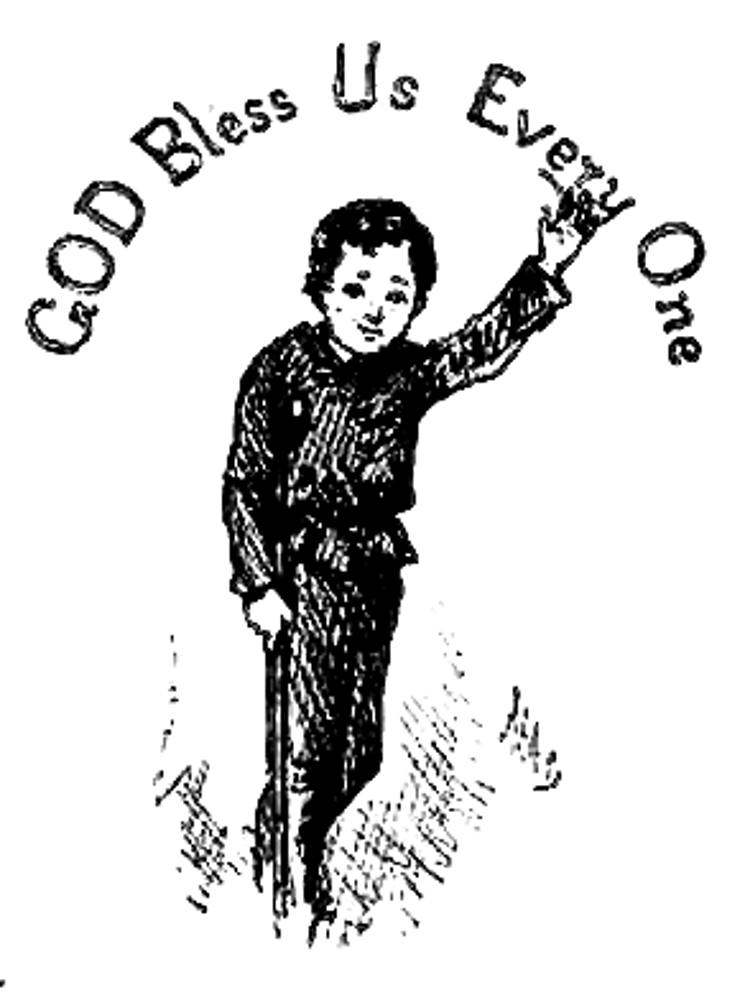
And the message ‘God Bless Us! Everyone!’ is a bit like Tennyson’s deliberately depoliticised message, it equates change as being sometime like the antisemitic dream of the Christianisation of the Jews (for Ebenezer is a Jew, like Fagan and Mr. Riah in other novels), and begins to allow for ‘we are all in this together’ message:
Ring out the feud of rich and poor,
Ring in redress to all mankind.
When you include ‘all’ and ‘everyone’ – you ensure the persistence of the ‘poor’ is a phenomenon you will accept, ‘and have with you always’. This is, as Scrooge says, right royal ‘Humbug’. But we put a lot of effort into mythologising antagonism to Christmas to evil so that it is more hated than evil proper, more hated than a year in which the West has validated genocide of a Muslim nation, and the degradation of a once noble Jewish Zion into land robbery and murder.
Bye for now
Steven xxxxxxxxxxxx
 Steve_Bamlett_blog