


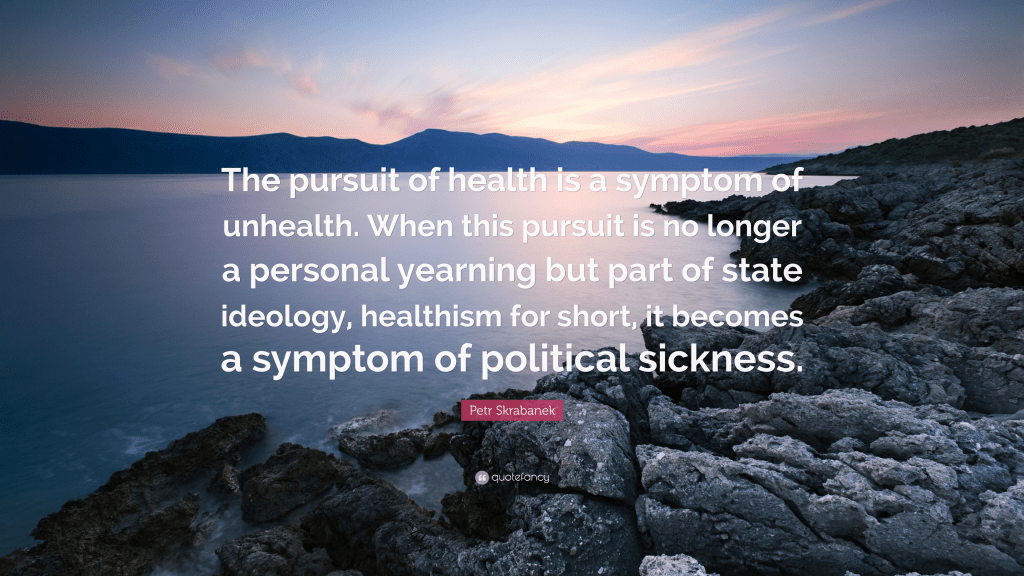
Do poets revel in the ways and means of attaining health? The Royal College of Surgeons’ Sarah Gillam, in a piece published in 2019 points us to the fact that Keats spent his years as a student rather dissolutely and ‘unhealthily’ by the standards of maintaining optimal lasting health, even then:

Keats apparently enjoyed his time as a student. Dressing ‘à la Byron’, “He developed a taste for claret, snuff and cigars; he learned to play billiards and whist; he went to boxing matches, cockfights, and bear-baitings” (Motion, 1997, p.90), …
The notes seem to confirm the impression given by his contemporaries that in lectures Keats’ mind was on poetry rather than surgery. Walter Cooper Dendy remembered Keats “in a deep poetic dream” and later produced a “quaint…fragment” he claimed Keats had written “while the precepts of Sir Astley Cooper fell unheeded on his ear”. Henry Stephens recorded:
“In the lecture room he seemed to sit apart and be absorbed in something else, as if the subject suggested thoughts to him which were not practically connected with it. He was often in the subject and out of it, in a dreamy way”.
Keats fell prey to a disease that was almost certainly congenital, but he clearly was no fan of giving up on ‘joy’ for the sake of health benefits, but in one thing he is adamant. He insists that if you spend your life medicating (by official or non-official) means – although in the nineteenth-century the boundary between these was very much less certain – a apothecary, such as he trained with, would have been willing to supply opiates and limited toxins for supposedly good purposes – was your worst option. Sadness (even to the point of intense depression of spirits) was for him allied to Joy because only the fullest appetite for joy understands that such appetite consumes the beautiful objects that award human beings joy even more quickly than time. Melancholy is a goddess without friendship for medication – especially sedative medication. But sadness is inevitable. The pursuit of health (IN THE END) leads as surely – if more slowly but only a little more slowly relatively – ‘to the grave’ as a life spent in trying to suppress it in the waters of mindfulness or positive psychology (which is our modern equivalent of Lethe – that infernal river, the drinking of whose waters leads to forgetfulness).
The poetry is full of ill uses of sedation, The Ode to A Nightingale being best known, although people neglect the antagonism to drug routes to health in its opening:
My heart aches, and a drowsy numbness pains
         My sense, as though of hemlock I had drunk,
Or emptied some dull opiate to the drains
         One minute past, and Lethe-wards had sunk:
'Tis not through envy of thy happy lot,
         But being too happy in thine happiness,—
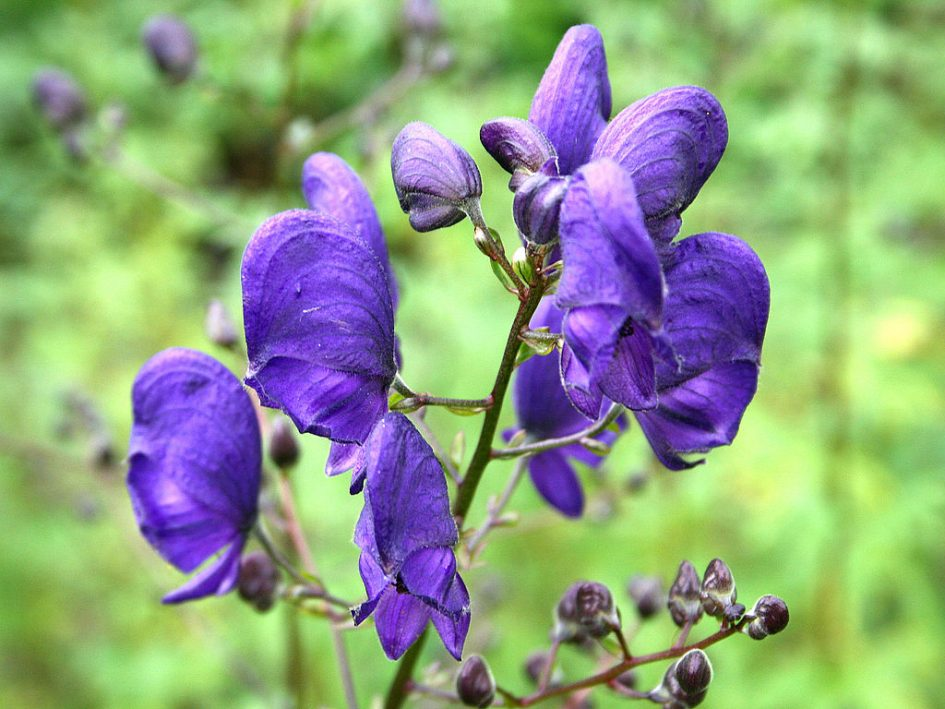
Keats does not want to go to forgetful mindfulness either through opiates or the small uses of poisons like hemlock used in medicine too then like opiates. But the poem that really mounts the attack and shows that true joy is true sadness too – because things cannot and do not last because that is their nature is The Ode to Melancholy. Wolf’s bane is the equivalent of that ‘small use of poisons like hemlock’ mentioned above. The use of wolfsbane (referring to Aconitum napellus) was thought effective against werewolves in mythology but its base chemicals (aconites) – in its roots as Keats says – were recommended medicinally as late as 1954 (see this linked source).
Keats thought health and well-being an offshoot of the pursuit of beauty and delight, not the great list of toxic medicines in the first verse of his great poem to the fact that the path to joy is the best way to enjoy healthy sadness that is at the base of life. We do not need to invite death and loss into our lives to seek joy and the beautiful but we are merely into magical thinking or positive psychology if we think death is unreal – it is a necessity of nature like new growth, as in the beautiful lines about the ‘green hill’ hid in showers, its ‘April shroud’. What ‘droops’ flowers also ‘nurtures’ them. If you want health and well-being remember then that in it, the very pursuit of life, we are in the shrine of death and sadness and that should not disturb us, or make us flee to alcohol (much more usual than opiates these days). In the end we too are mere trophies of the sad realities of life but it does not stop us bursting ‘Joy’s grape against’ our refined palates for what is good and life-giving: indeed the two are one.
Ode on Melancholy By John Keats

No, no, go not to Lethe, neither twist
       Wolf's-bane, tight-rooted, for its poisonous wine;
Nor suffer thy pale forehead to be kiss'd
       By nightshade, ruby grape of Proserpine;
               Make not your rosary of yew-berries,
       Nor let the beetle, nor the death-moth be
               Your mournful Psyche, nor the downy owl
A partner in your sorrow's mysteries;
       For shade to shade will come too drowsily,
               And drown the wakeful anguish of the soul.

But when the melancholy fit shall fall
       Sudden from heaven like a weeping cloud,
That fosters the droop-headed flowers all,
       And hides the green hill in an April shroud;
Then glut thy sorrow on a morning rose,
       Or on the rainbow of the salt sand-wave,
               Or on the wealth of globed peonies;
Or if thy mistress some rich anger shows,
       Emprison her soft hand, and let her rave,
               And feed deep, deep upon her peerless eyes.

She dwells with Beauty—Beauty that must die;
       And Joy, whose hand is ever at his lips
Bidding adieu; and aching Pleasure nigh,
       Turning to poison while the bee-mouth sips:
Ay, in the very temple of Delight
       Veil'd Melancholy has her sovran shrine,
               Though seen of none save him whose strenuous tongue
       Can burst Joy's grape against his palate fine;
His soul shalt taste the sadness of her might,
               And be among her cloudy trophies hung.
All for today
Love Steven xxxxxxxxxxx
 Steve_Bamlett_blog