What do you do to be involved in the community?
In an article by the American Public Power Association [APPA], called ‘Dissecting the True Meaning of Community’, some things are said about unpacking the meaning of the word ‘community’ from its origins as a word. I have no knowledge of the real politics of APPA, though it sounds fascinating as described in Wikipedia, and I do not quote them with reference to their specific aims for that reason.
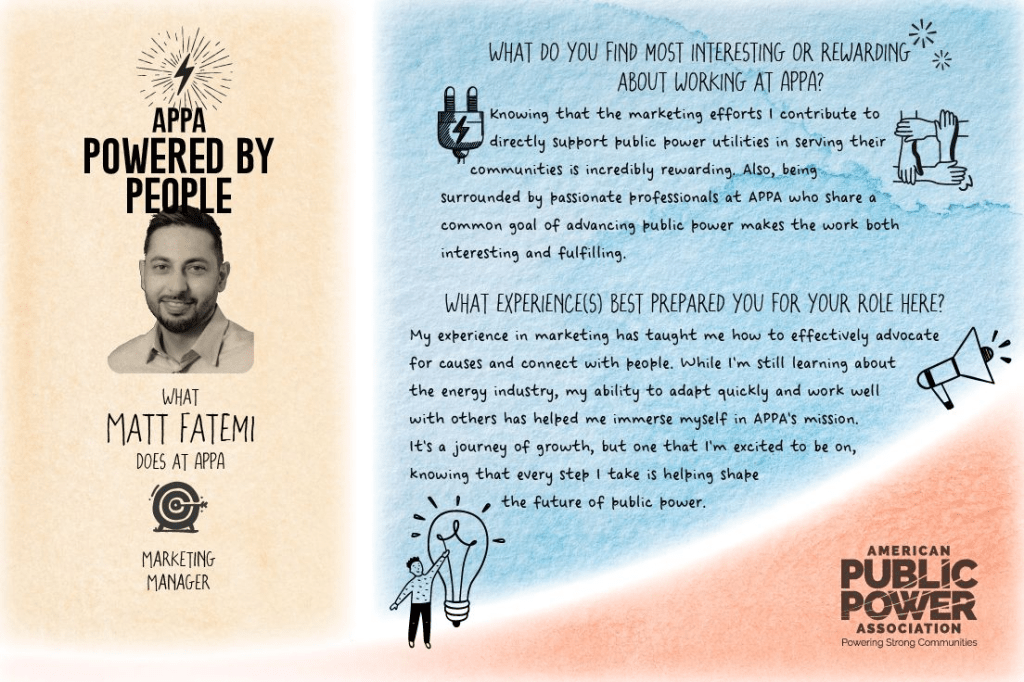
However, APPA clearly have a mission akin to the best traditions of US communalism, uniting a respect for the diversity and individual freedom within all acts of association alongside the establishment of shared public goals based on wellbeing and sustainable provision of public utilities. Of course, the reality of such thinking in practice will seem to some on both sides of the political divide and ecological arguments in the USA a fudge, but here I intend to argue on the basis only of their mission. Their article starts with the word ‘community ‘ itself:
According to the New World Encyclopedia, the word community “is derived from the Latin communitas (meaning the same), which is in turn derived from communis, which means “common, public, shared by all or many.” Communis comes from a combination of the Latin prefix con- (which means “together”) and the word munis (which has to do with performing services).” The reference to munis, which is often the shorthand, albeit not all-inclusive, reference to public power, made me wonder about the etymology of the word municipality. According to Etymonline.com, the word municipal is “of or pertaining to the local self-government or corporation of a city or town, 1540s, from French municipal, from Latin municipalis “pertaining to a citizen of a free town, of a free town,” also “of a petty town, provincial, from municipium “community, municipality, free town, city whose citizens have the privileges of Roman citizens but are governed by their own laws,” from municeps “native, citizen, inhabitant of a free town.”
Cool, huh? Municipalities are free towns that have self-government and communities are characterized by everyone sharing in the freedoms and privileges enabled by such self-governance. Sometimes, words convey volumes. … What an interesting juxtaposition of uniqueness/freedom and public/common/shared by all. … : one drives innovation and excellence while the other drives teamwork, collaboration, and shared outcomes. / … Vive la difference! Vive la même chose.
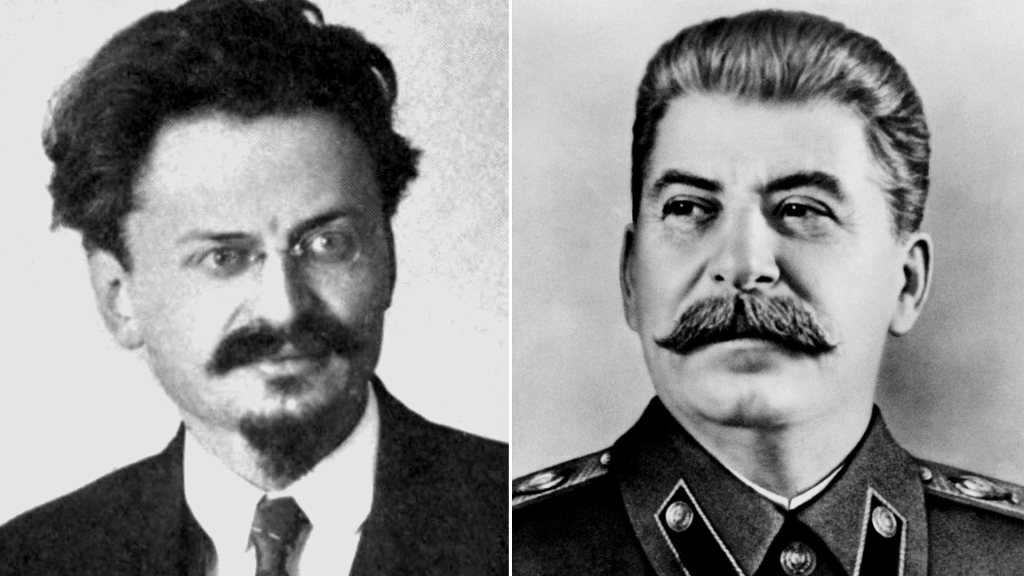
For a socialist like myself, there is still a lot of vagueness in the definition that is arrived at here. That definition allows the idea of a ‘community’ to exist only within parameters of apparent (and therefore potentially merely pretended) agreement over an agenda set in reality by the sections of the community structurally more empowered than the rest. That is why there needs to room in in the idea of community for facilitating continuing conflict with the norms that get established that can be played out safely on an equal playing field. Establishing such a dynamic place for exchange of differences is difficult but essential to create in democratic processes. Such processes are, of course, corruptible if not internally monitored by conflictual potential aimed at its administration – think of the history of the people’s soviets in early revolutionary Russia), and why Trotsky’s notion of ‘continuing revolution’ was rightly seen by Stalin as essentially against that latter tyrant’s interests.
But that is an other issue. The point I take from APP{A’s etymological adventures is that ‘community’ is neither a static and monolithic thing but made up of dynamic interacting and sometimes necessarily conflicting parts. Those points are sometimes defined in binary terms but they cannot be conceived by binaries any more than they can by simple unities. A struggle between binaries is never reconciled and will always be at the cost of those not defined by binaries, and will essentially be conservative if not fascist in its understanding of power, each side refusing the contribution of the other in order to remain defined as they are – in eternal opposition. This is the state we are in the current culture wars, supported by an very unintelligent prime minister in the UK who thinks the law is an engine of ‘clarity’, which it is not – it is an engine by which participants of the community lose any hope of self-definition, should that matter to them.
Community is about the interests involved in defining services that are sustainable, meet the needs optimally of everyone (within a definition that such needs cannot be mathematically but only qualitatively defined) and does not profit any one sector. APPA thinks that Public Power agencies (providing the necessary energy to fuel homes and businesses) from a local non-profit basis do just that. i do not know whether that is true or not. As a British citizen, it is not, perhaps, my concern. But the aspiration and mission matters.
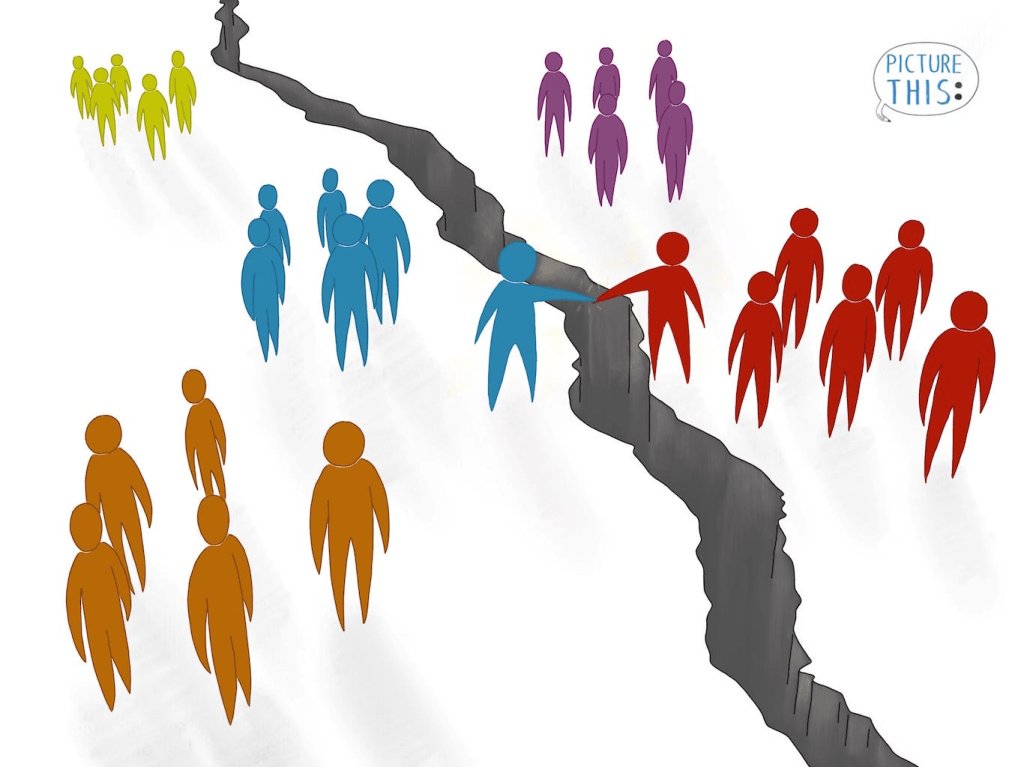
There is a notion about – as in the infographic below that dividision is always negative and connection is always positive., But the ideology of connection if allowed to be forever dominant has the logic of killing off thosde who cannot connect for reasons that go unexplored.
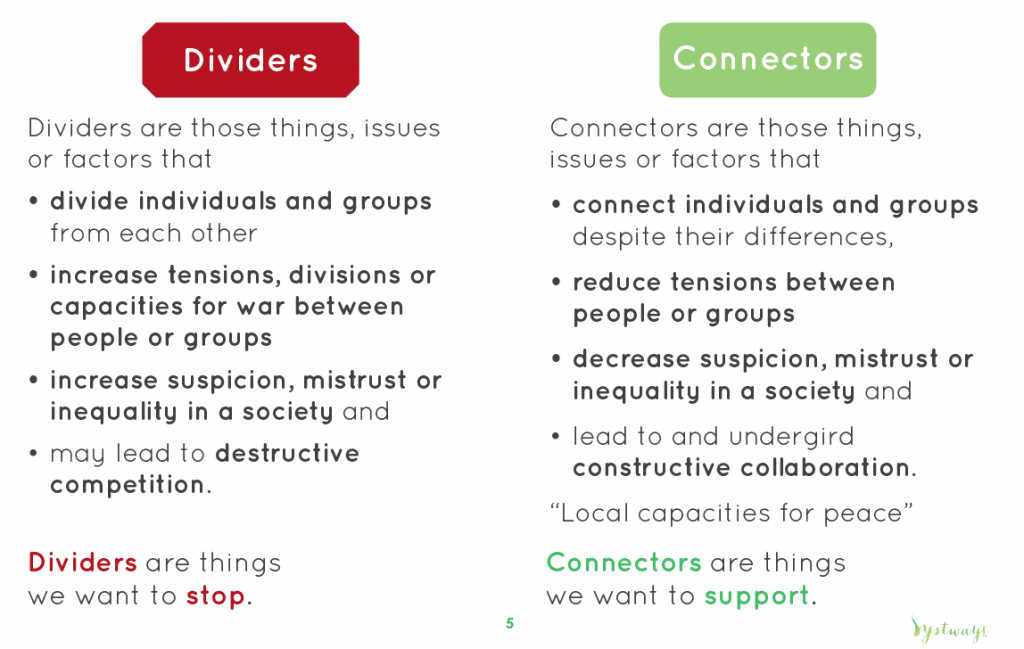
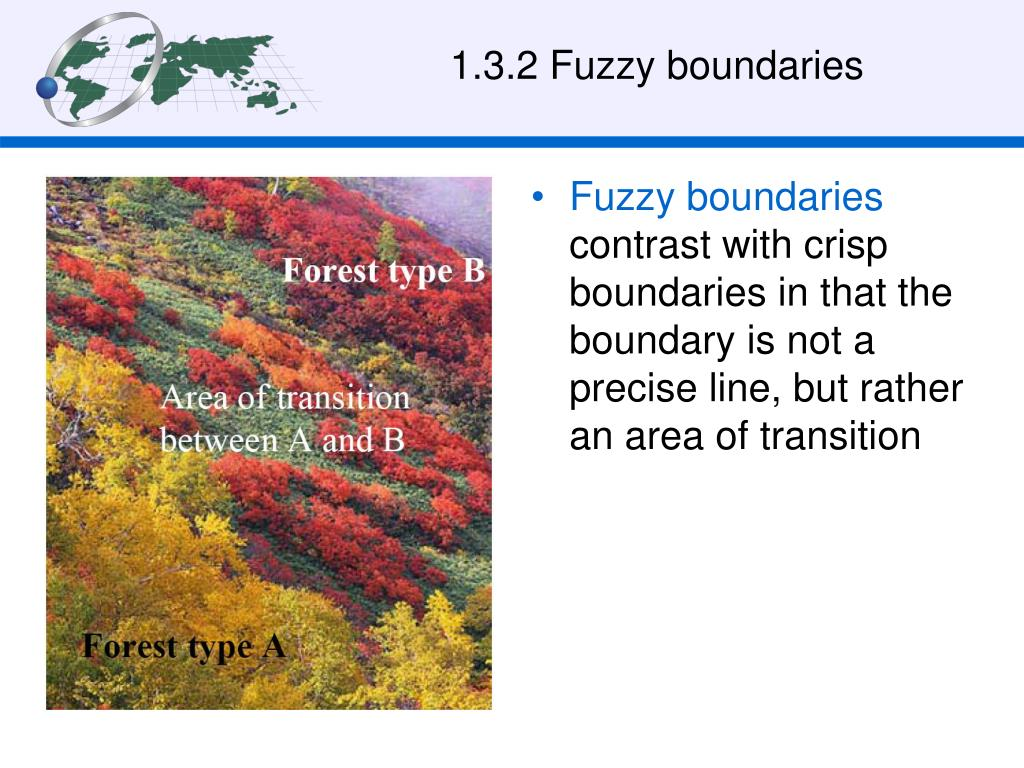
Hence the graphic above is precisely NOT what I mean by community. The only thing that I can truly say I ‘do to be involved in the community’ is to be a reminder that community is not a given but must be self-defined, in order to avoid appropriation by other interests, and that it must be constituted so as to leave space for diversities in life to find space – this includes ecological and environmental diversities and is antagonistic to the extinction of species as an answer to the interests of the powerful – whether that be human interests over diverse forms of floras and fauna, or cultural, racial, age, differential ability, sex/gender and class/status individual and group identities. Such a grid of difference as I mention latterly is not merely constructed socially and must include diversities of individually self-defined being and agency. The complex whole that is a ‘community’ has no clear border or boundary, other than a fuzzy and porous one, and it must accept that each voice that raises itself against norms demands respect and safety. Conflict does not require to be violent conflict, and when it does, it is only so because the norm is defended by ideological and material force: laws, customs that exclude, police and armed forces.
No-one is constituted in any one way. even the administration of personhood requires a relativism about the different forces of self-constitution in the psyche, for no self is a monolithic unity or with impermeable boundaries either – personhood itself in multicultural contexts has fuzzy boundaries – sometimes including by definition other agencies that in some cultures are different persons. The concept of a chosen family somewhat describes this, itself not a concept necessarily set against biological or socially validated family, but sometimes is by necessity – especially in heavily patriarchal cultures. And I am more than thing or performative agency within communities. The needs of some parts of myself contradict those of other parts – This must never be forgotten or repressed but conflicts made apparent and given space for complex solution – not by making one part of myself dominate the others. And so the state and so the community.
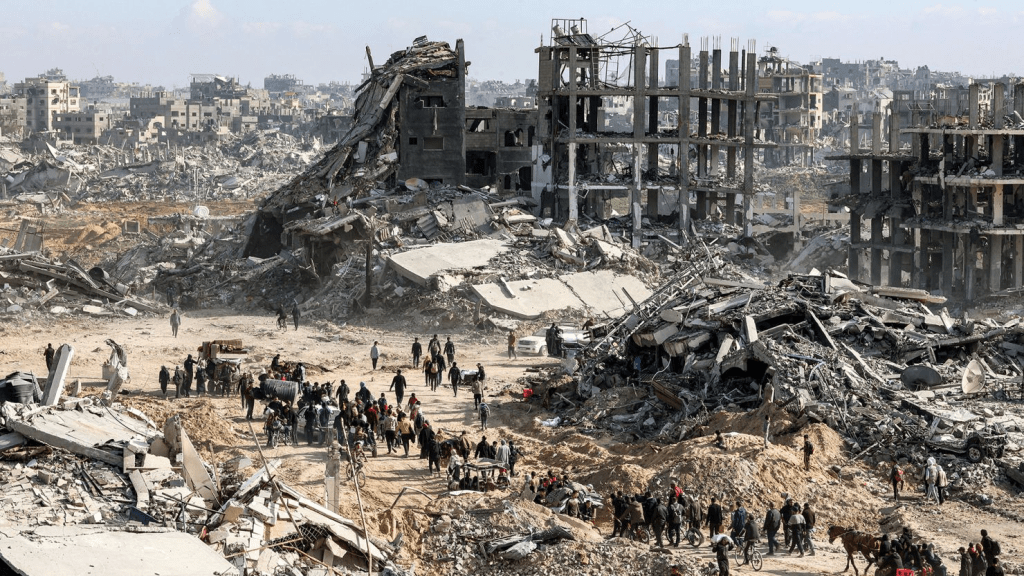
I do not think the aim or object can ever be growth — for that usually means growth at the cost to weaker but necessary components of the shifting whole :the extinction of whole species in ecological terms, of whole cultures by genocide (open or concealed) in the terms of the politics of nations. These are rarely seen in clarified forms, although Israel is bucking that trend recently in Gaza and The West Bank, as is Russia in Ukraine. Other instances could multiply. President Donald Trump (from 51st state Canada to Greenland and even Gaza) can’t speak without saying something of the other which might be set against him needs to be annexed or transformed into the mirror image of his vanity – Gaza, for instance, is imagined by him as an expensive sea-coast resort for the wealthy.
I can’s say I do as much for each of my communities as just be them in some kind of negotiated shape.
That’s all for today
Love
Steven xxxxxxxxxxxxxxx
 Steve_Bamlett_blog