Technology – and the dream, of autonomy
Posted on 17 December 2024 by Stevendouglasblog

If we take the Wikipedia article on automobiles as an authority, the presumption of setting this as a prompt topic is surely that this is a blog for those interested in CARS. The term automobile, when first used in the Wiki entry for The History of the Automobile, links directly to the entry for ‘Car’. But the dream of technology, now invested in the AI debate, has always been the crafted thing that has an independent life. That is impled in the word’s origin:
Technology is a term dating back to the early 17th century that meant ‘systematic treatment’ (from Greek Τεχνολογία, from the Greek: τέχνη, romanized: tékhnē, lit. ‘craft, art’ and -λογία (-logíā), ‘study, knowledge’).[4][5] It is predated in use by the Ancient Greek word τέχνη (tékhnē), used to mean ‘knowledge of how to make things’, which encompassed activities like architecture.[6]
The great dramatists too used the work ‘τέχνη‘ to describe what we would call ‘art’ in order to distinguish it from craft – but the presumption of the word like the English ‘playwright’ is that literature, no more than any craft, say ceramic pottery, is no more than a thing crafted and made by the skill of someone long apprenticed in it.
Automobile, through the common link αὐτός (Self) used as an affix, seems intimately related to the word automaton (https://en.m.wikipedia.org/wiki/Automaton). Used of mechanical technology aping life. Wikipedia says of its etymology that, ‘The word automaton is the latinization of the Ancient Greek automaton (αὐτόματον), which means “acting of one’s own will”‘. But it does not seem unreasonable, when the disputed Greek term μα is searched that the word automaton merely means (since ματον is the possible genitive of μα) ‘done by itself’.
This would explain why the word is used by Homer to describe amazing and apparently self-opening doors. In Greek, the automaton could also be an anthropomorphic figure, but the most famous examples are those crafted by the God of Fire and heroic craftsman Hephaestus. They were not independent, for they acted according to their makers will, not their own. In brief, the automaton was ‘more often used to describe non-electronic moving machines’.
And are not automobiles the same. In the seventeenth century, the Baroque fantasy of the mechanical self-willed person as an example of the extreme of the automaton came of its own, borrowing from the Jewish tradition of the Golem. Yet the question of will was a matter of fantasy as in Hoffman’s story of doll automatons The Sandman, which became the ballet Coppelia. Only Frankenstein explored the idea of dead material (inanimate material) moving and thinking of its own free will and not some predestined purpose, using theological discussions from Milton’s Paradise Lost in order to do that exploration. And, have not cars the capacity to have the willful in human beings projected into them, or at least so advertisers seem to think.
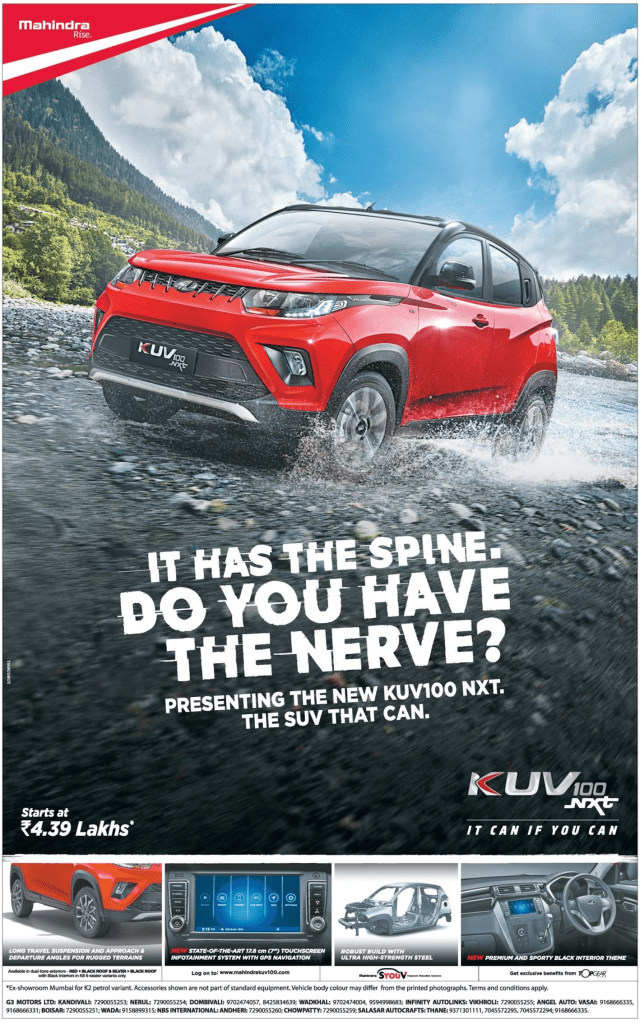
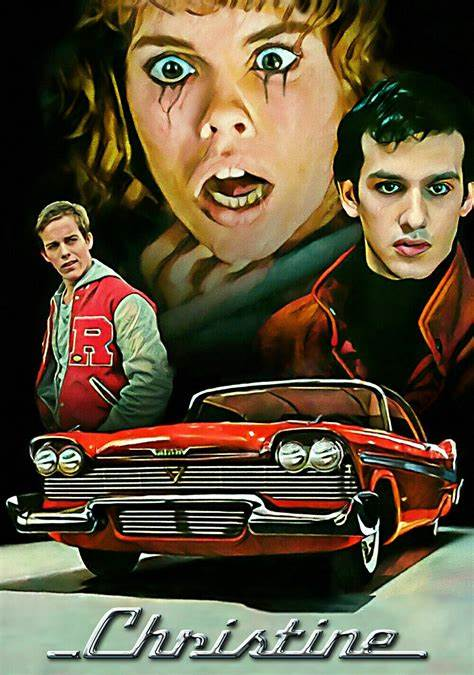
Cars often lend to their drivers aspects that derive from cultural associations to power, and the triumph of the will and, even, for men, phallic capacity. Power and desire as projections of male identity are projected into carts. Stephen King’s Christine makes that link explicit. The contest between car and man is one of mythic sexual energy and its rightful description as male or female.
After all, automobiles are no more powered by themselves than is a horse-drawn carriage. It is merely that the force and energy and power of their mobility are invisible and internal, It can appear autonomous even though it is very definitely not. Car advertising often plays on images of power, audacity, and confidence.
And, as for male sexual power, a study of male university students has established a valid association with owning cars (see the link here).
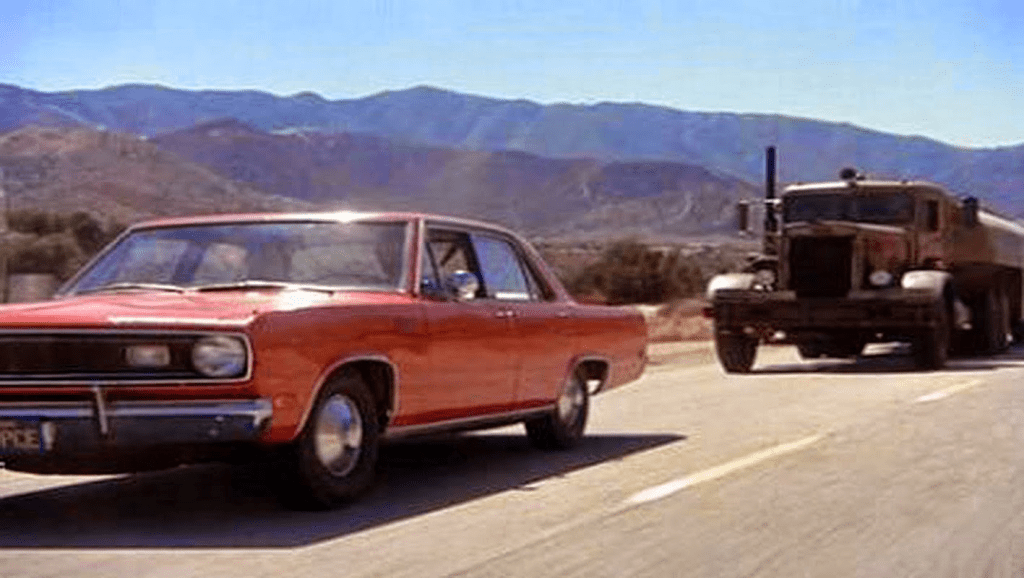
The association to power of men nd cars is a constant in zall kinds of media. Let’s instance horror in Christine and Duel.
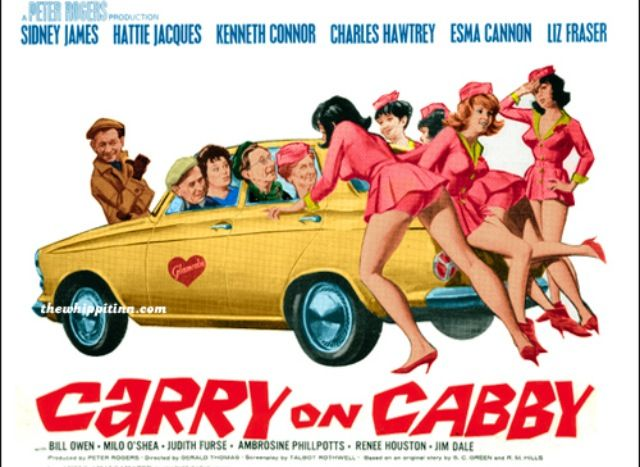
We should not forget comedy though, as in the really silly …..
With love
Steven xxxxxxx
 Steve_Bamlett_blog