


The entry in Merriam-Webster for ‘wear’ even for just its use as a transitive verb shows that ‘to wear’ is polysemic:
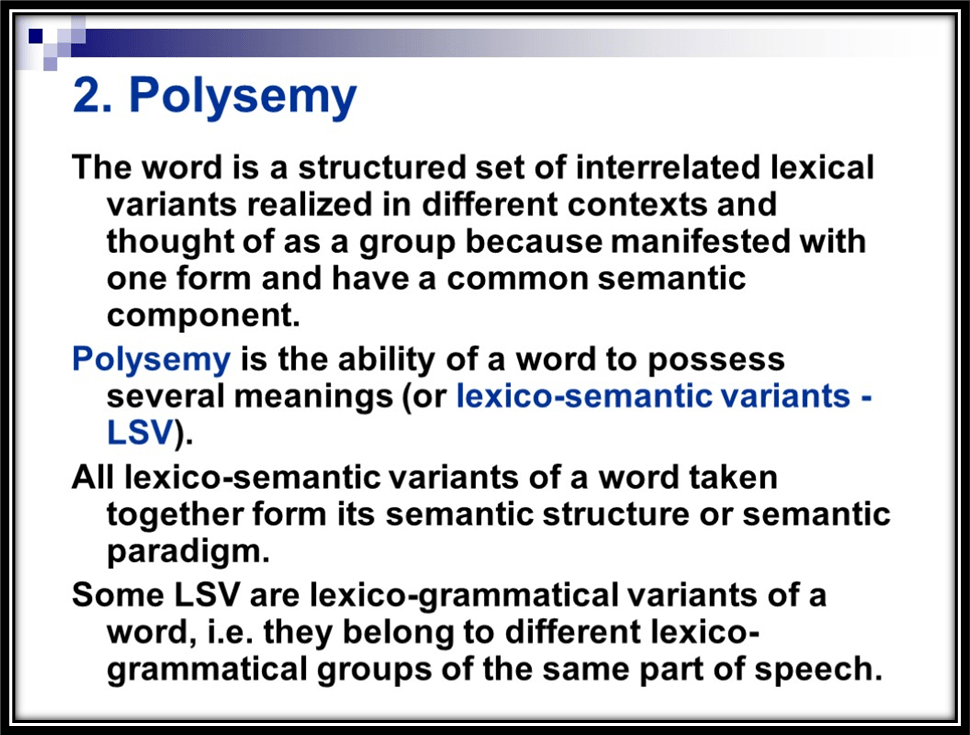
Here is the relevant list:
transitive verb 1 : to bear or have on the person (wore a coat); 2: a : to use habitually for clothing, adornment, or assistance (wears a size 10) or (wear glasses) b: to carry on the person (wear a sword); 3: a : to hold the rank or dignity or position signified by [an ornament] (wear the royal crown) , b : exhibit, present (wore a happy smile) or (commend the book for wearing its research so lightly—Brad Leithauser); c: to show or fly (a flag or colors) on a ship; 4 a: to cause to deteriorate by use, b: to impair or diminish by use or attrition : consume or waste gradually (letters on the stone worn away by weathering); 5: to produce gradually by friction or attrition (wear a hole in the rug); 6 : to exhaust or lessen the strength of : weary, fatigue; 7 : to cause (a ship) to go about with the stern presented to the wind; 8 British : to accept or tolerate without complaint : put up with —usually used in negative constructions (your mates wouldn’t wear it—Colin MacInnes)
It’s a pretty list!
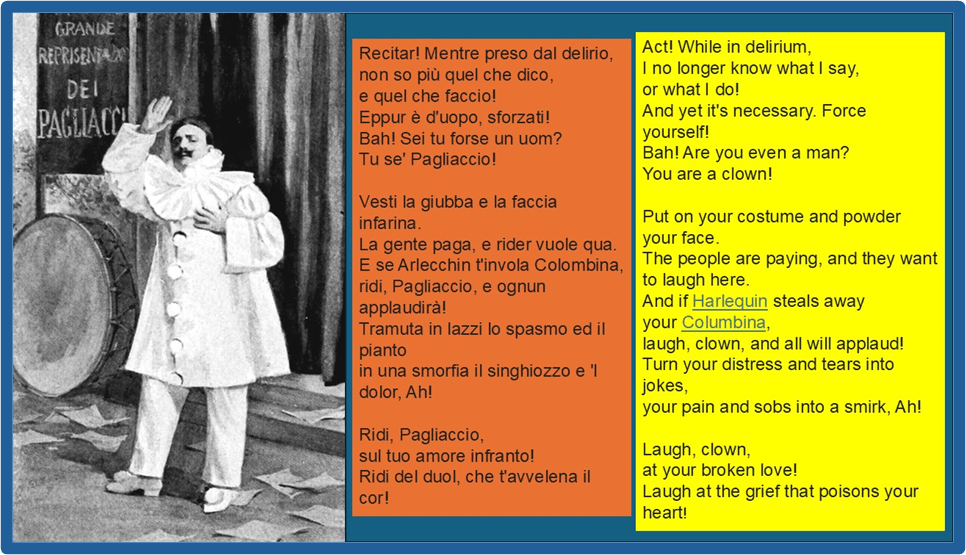
To favour causing attrition or damage something is clearly a problematic use of the word, so I cannot say that two of the ‘favourite things’ I like to ‘wear’ is (a) the patience of my friends, and (b) myself, but in fact both are happening now, my mood is so uncertain and fluctuating, LOL! The meaning of causing attrition or danage is related, of course, lexico-grammatically to the meaning of donning things like clothes or crown as transitive verbs. Clothes I wear most of the time are more likely to suffer damage and attrition, for instance. Recently I feel my favourites things to wear are abstractions that only sometimes have physical form – like the ‘motley’ or ‘la giubba)’ in which act of donning I have lately surpassed Henry Caruso in performance values.
“Vesti la giubba” (Italian: [ˈvɛsti la ˈdʒubba], “Put on the costume”, often referred to as “On With the Motley“, from the original 1893 translation by Frederic Edward Weatherly) is a tenor aria from Ruggero Leoncavallo‘s 1892 opera Pagliacci. “Vesti la giubba” is sung at the conclusion of the first act, when Canio discovers his wife’s infidelity, but must nevertheless prepare for his performance as Pagliaccio the clown because “the show must go on“.
Perhaps even better I would prefer to wear the Fool’s coxcomb as the Fool in King Lear says Kent, in the role of a serving man, is doing in not acting like a ‘scurvy politician’ and smiling ‘as the wind sits’. But I don’t wear a smile much recently, and the wind feels harsh.
To Kent. Nay, an thou canst not smile as the
wind sits, thou ’lt catch cold shortly. There, take my
coxcomb. Why, this fellow has banished two on ’s
daughters and did the third a blessing against his
will. If thou follow him, thou must needs wear my
coxcomb.
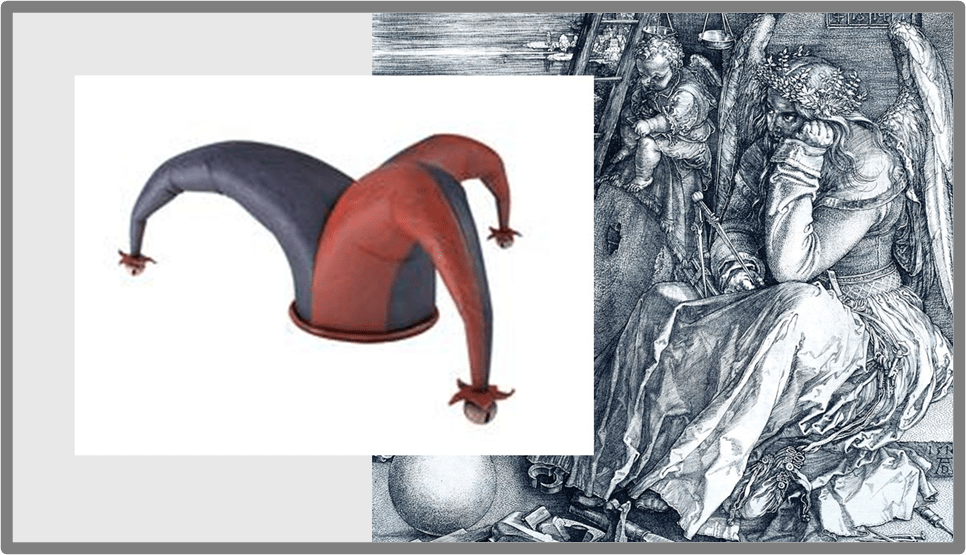
You see. A fool in motley or a coxcomb will wear anyone’s patience. C’est moi.
With love
Steven xxxxxxxxx
 Steve_Bamlett_blog