passage (noun): early 13c., “a road, a pathway;” c. 1300, “action of crossing from one place to another; a going over or through something; means of crossing,” from Old French passage “mountain pass, passage” (11c.), from passer “to go by,” from Vulgar Latin *passare “to step, walk, pass,” from Latin passus “step, pace” (from PIE root *pete- “to spread”). Meaning “corridor in a building” is recorded from 1610s. Meaning “a portion of writing,” originally one concerning a particular occurrence or matter, is from 1610s; of music, from 1670s.
Don't neglect this passage, as you read on:
Wherein mere time passes idly, like scum
Upon the surface of still waters stirred
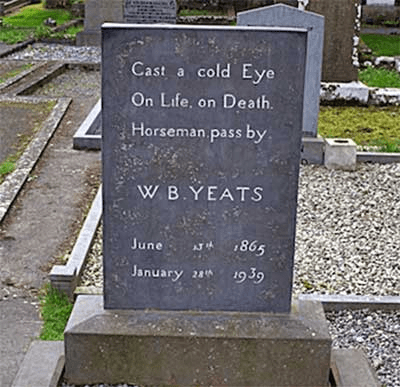
By just alighted coots. They pass us by
Like lives, like deaths unreflecting horsemen
Contemplate at one wise poet's grey slate,
Whilst under stills, the turbulent currents
Play tuneful ditties and dirges both. Spend
More time in learning that to let it go
Costs more than holding tight what need be free
Of us and all our stasis here, but gives
More back to feed hungry desolation
In our verses. Time's self versus one's self,
Let's dive under where passing on the canal's
Bed, negotiates passages discarded
Refuse leaves between its tokens of lives
Thrown under surfaces that they might be lost
To memory forever. Forever!
At least until you read deep, find what lies
Is more true than that which just passes by.

The corridor we walk and its tight walls
Needs us pass, as time with us to death crawls.



 Steve_Bamlett_blog