


‘Political consumerism’ and food choice
WordPress often asks us to pretend that all our choices are mediated on a simple model of choice, that might, of course, still involve a number of factors regarding the item, such as cost and affordability, use value of the the product – the nutritional value of foods for instance, aesthetics of packaging, reputation of manufacturer brand, and so on. In the implied view, we perform a kind of calculus to determine a hierarchy with top and bottom choices on the scale. Such a calculus might weight choices by variables such as those represented on the slide graphic below:
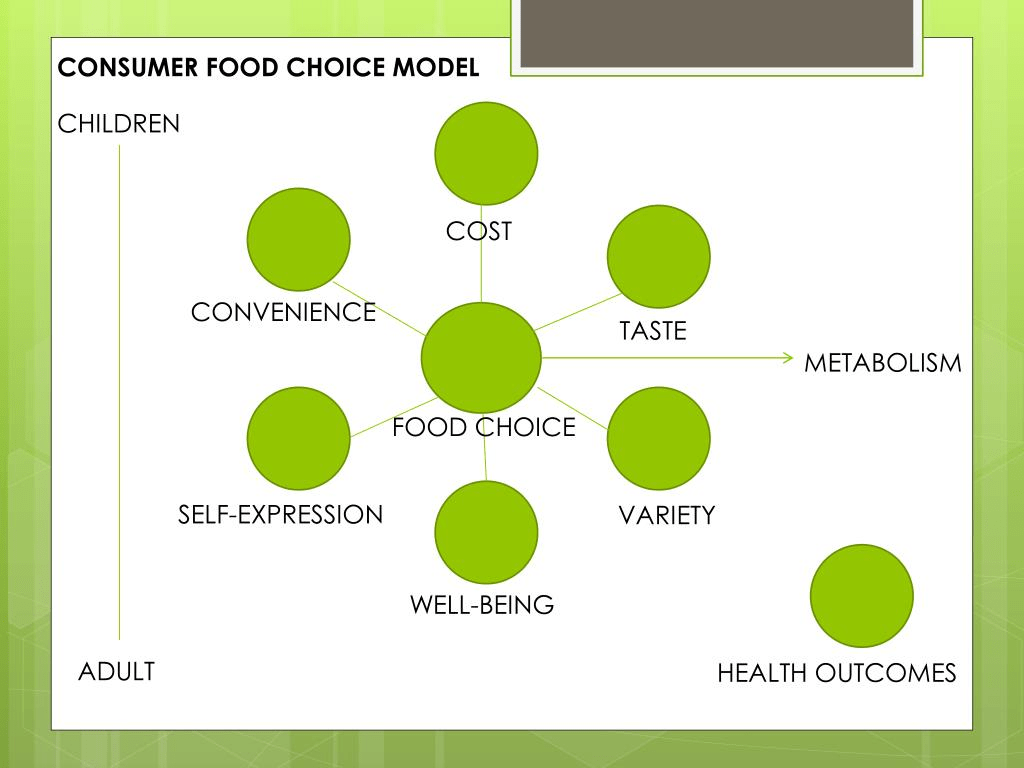
Of course, there are variations but the only ones this model chooses to add are ones related to binary adult / child status and externally measured constraints on choice mediated by having knowledge of the metabolic effects of the food and its outcomes on personal; health status (a rather abstracted process that adds weight to choices based on well-being but rooted in knowledge rather than subjective and qualitative judgement).
But in a 2023 study on choices in Lebanon (‘Food determinants and motivation factors impact on consumer behavior in Lebanon’ by Nada Mallah Boustani and Raquel P. F. Guiné, access via https://www.degruyterbrill.com/document/doi/10.1515/opag-2022-0176/html) , the determinants widen considerably to include cultural, ethnic and political factors. These are in Lebanon much more self-inevitably visible than in the more ideologically homogenised choice variants in the Capitalist West and North represented in the graphic above. The factors in that representation are all subsumed in the new representation below and placed in the central black box category ‘Habit and consumer food’, for the determinants on choice all have a potential political edge as well as a socio-culturally shaped one.
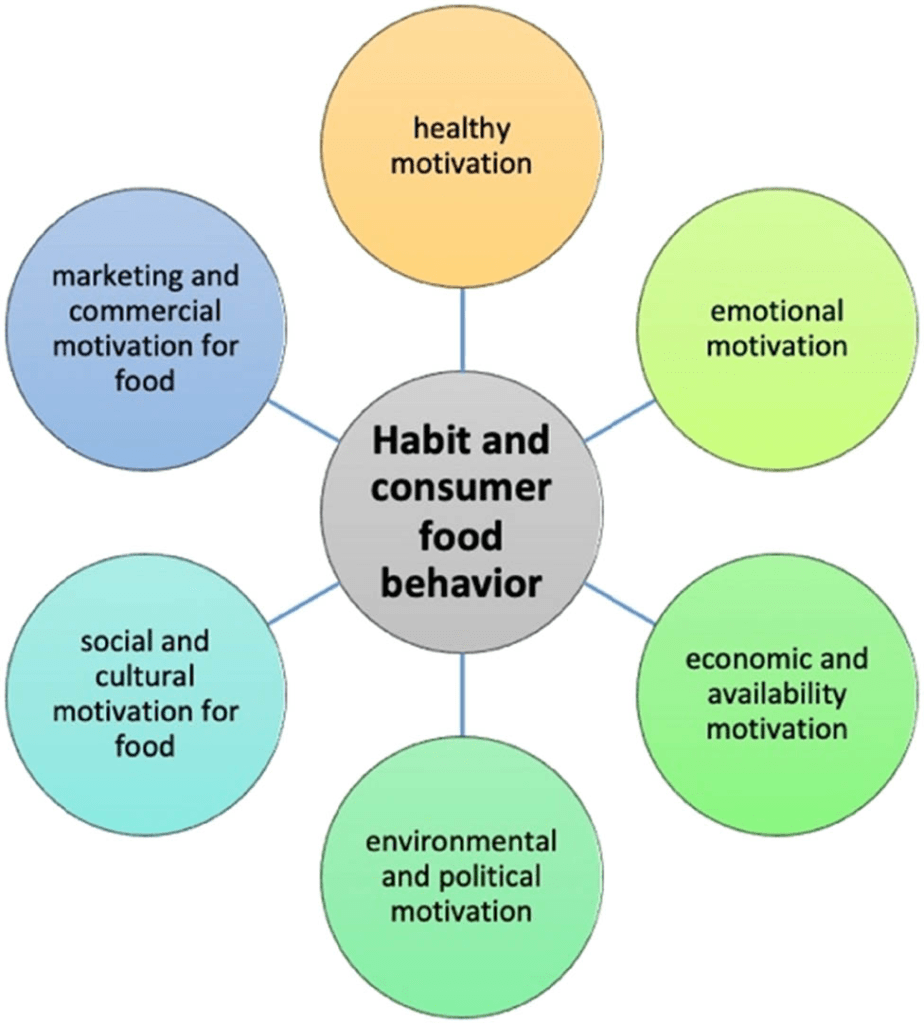
This graphic is much more open to the idea of ‘political consumerism’, a study of choices influenced by power relations between communities. For instance, whilst past international boycotts against Apartheid South African goods were obviously political, the politics of the campaign against Nestle artificial baby milk products was based on the effects of a skewed market influenced by Western capitalism that was a root cause of child malnutrition in Africa. In the past (and why Donald Trump has sidelined the organisation) the World Trade Organization and G-8 summit called attention to ‘the role of the global market as a site for ethics and citizen action as well as the phenomenon of political consumerism’. I take some of those words from the introduction to Politics, Products, and Markets: Exploring Political Consumerism Past and Present by Michele Micheletti, Andreas Follesdal, Dietlind Stolle in 2017 – revised from 2004).
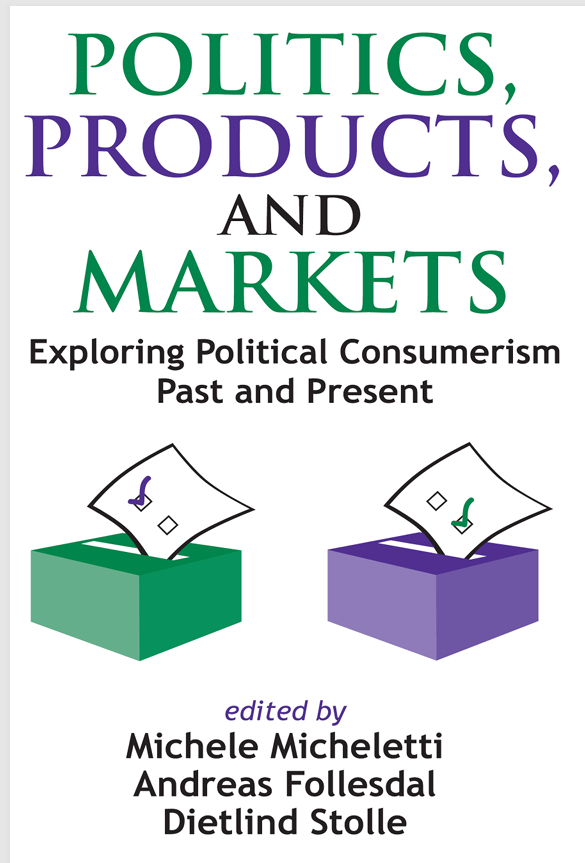
That book gives a neat definition of ‘political consumerism’ too in its Editors’ Introduction.
For this volume, we define it as consumer choice of producers and products with the goal of changing objectionable institutional or market practices. It is based on attitudes and values regarding issues of justice, fairness, or non economic issues that concern personal and family well-being and ethical or political assessment of business and government practice.
Regardless of whether political consumers act individually or collectively, their market choices reflect an understanding of material products as embedded in a complex social and normative context, which may be called the politics behind products.
Introduction to Work: Politics, Products, and Markets: Exploring Political Consumerism Past and Present by Michele Micheletti, Andreas Follesdal, Dietlind Stolle
Prompt questions are never innocent. Being able to pretend to name your ‘top 5’ grocery goods is mainly itself a political statement denying the existence of political consumerism. In Gaza starvation politics is still an obvious form of political weapon, extending to genocide, and imposed by a hostile settler colonial power. In Gaza also political consumerism is an aspiration – for the right to consume at all is taken away by violent force and destruction of the means to live in adequate housing that will not be destroyed by winter weather.
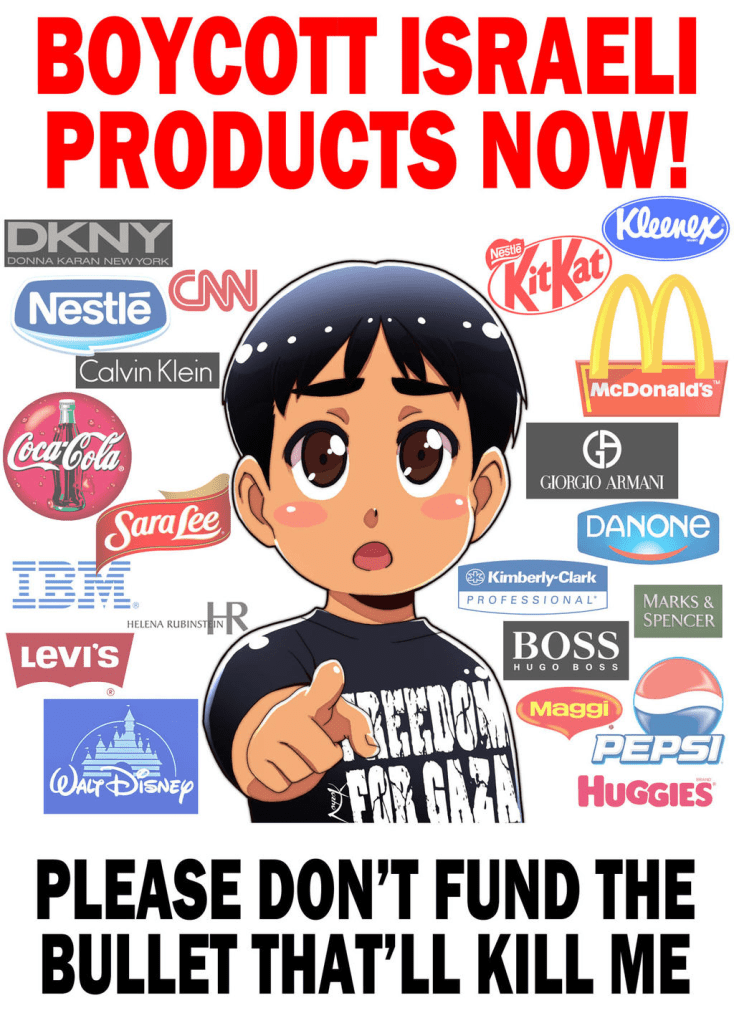
In that situation, any kind of consumerism would be an asset. We, in the privileged parts of the globe, do have a choice. We can boycott Israeli Goods that finance political ends that have no regard to human rights! You will see from what these goods are in the graphic below, that such boycott cannot be anti-Semitic. Antisemitism is evil, but it is not shown by refusing to accept that Israel is not a fair democracy, and refusing to validate the fact that allowed it to displace the populations it sees as antagonistic to a self-determining expansionist apartheid state.
Bye for now
With love
Steven xxxxxxxx
 Steve_Bamlett_blog