


Counter-transference is more common than we think. Acknowledged and worked with it is a positive tool. But it happens most in encounters where the therapist is too inexperienced, or neither reflective, reflexive or self-unaware to notice it.
For anyone who has been in a therapeutic encounter as either a therapeutic practitioner or person seeking assistance, or forced by some authority figure, formally or informally, to seek assistance, the idea that is never new to them is that we are asking someone or ourselves to try something new, a way of helping ourselves or being helped that is only failing, or threatening to fail, because we are ‘new’ to it. We need to be clear here. Though very inexperienced counsellors think the client fears a new method – which is rarely as new to the person looking for help as for the therapist, who first encountered the method in training only – be it Mindfulness CBT, or any other technique. Therapists insist to clients that had we tried it, as the therapists wants to implement it, we would know by it having succeeded. For the implication about the person thought be seeking help is that, in fact, they fear the ‘change’ successful therapy would bring about and will hang on to their symptoms – behavioural, somatic, emotional or cognitive however painful – rather than face a world unfamiliar to them. Endlessly, and with little but highly nuanced variation, failure in therapy is blamed on the person, supposedly there for for help, being resistant to it or reluctant to start it because they fear the end it brings. Therapists are trained and alert to the fear of the new. Here, for instance, at this link is a website about RELUCTANT and RESISTANT clients, with ideas mainly summarised from Gerard Egan’s book The Skilled Helper. Here are the definitions from this page of the term RESISTANT and RELUCTANT, where the assumption is the reluctance or resistance is always, in reference to our prompt question, that of fear of ‘trying’ something new ‘for the first time’.
Defining reluctance and resistance
Reluctant clients those who really don’t want to be there. There can be a number of reasons for this. For example, they:
- fear the unfamiliar
- are apprehensive about what is involved in any change they might make
- are unsure of the demands of undertaking a new experience
- discover the price of change is higher than expected
- fear their own weakness might be revealed if they make a change
- have difficulties making decisions and have changing priorities, aims and goals
- have difficulty in persisting with a courses of action
Resistant clients
Themes may emerge that indicate repeated patterns in the ways they deal with and interact with individuals and systems. There are a number of factors that can contribute to this. For example, they:
- may talk about only safe or low-priority issues
- benignly sabotage the helping process by being uncooperative and/or setting unrealistic goals (then using them as an excuse for not achieving them)
- tend to blame others or their social settings
- play games with helpers
- do not know how to participate in constructive change
- have a history of rebelling against systems
- have had bad experiences of interviews before
- are dealing with many problems all at once and feel overwhelmed
- have had lots of negative experiences and have given up
- have been told to attend by an authority figure (teacher, parent, agency);
- are suspicious of authority figures & have negative attitudes towards helping agencies
- believe going for help is the same as admitting weakness, failure, inadequacy
- have no plans at the moment and can’t see the point of it all
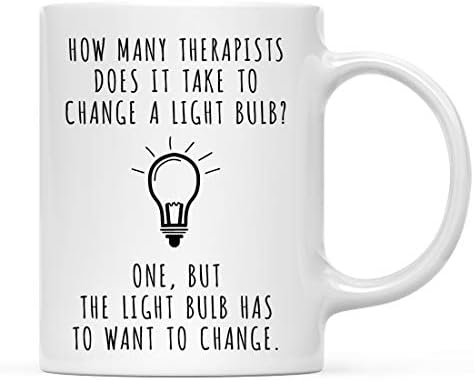
How many ways more do we need to show that however sick, disordered or flawed the person is who is there to be helped, they are if resistant or reluctant even more sick, disordered or flawed than the reasons for their referral to help suggested. Nowhere here is there acknowledgement that it is sometimes wise to be suspicious of authority figures, who either refer you or claim to be able to correct your future distortions (in their eyes) of behaviour, sense of embodiment, feelings or thoughts. There is no acceptance of the many cases of therapy actually leading to worse outcomes than no therapy because a flaw in the therapeutic agent – the usual flaw being a lack of transparency or flexibility. There is no openness to the vast excess of iatrogenic disease or dis-ease (increased ill-being caused by the thing meant to be curing you). No, patients and clients (really persons at base) who fear that – even if experienced before – are merely being reluctant and resistant and do not want to change. It is the point of the old joke about therapy:
I have endless admiration for those who resist therapy as ill-regulated and unsystematic (usually on a take-it-or-leave-it basis and service-led not service user needs-led) as exists at present. There are examples of good practice but these are people who more often than not become victims of the service they once believed in: only to realise its aims are without reference to qualitative outcomes, only a change in the quantifications on highly flawed measuring tools – the Patient Health Questionnaires for instance.
But to resist bad help more often makes it impossible to step up to better help – even if it be available, for the Stepped Approach to Mental Health Care is yet another mask for a resource use limitation exercise. I hate to be negative but to be anything else at the moment is to be deluded about a system really in place to preserve jobs in their unhelpful hierarchies.
What you would like to ask mental health Services is:
What could you try for the first time that is based on empathy with people who have been at wrong end of a harmful system before?
All the best and with love
Steven xxxxxxx
 Steve_Bamlett_blog