


The phrase ‘ a healthy mind in a healthy body’ from Juvenal Satires X haunts the insistence on doing physical exercise or elae of advisers, counsellors and other ‘Job’s comforters ‘ (Job 2: 11). Read on from Job verse 2 if you want the content of their advice and Job’s summary of it in his naming his advisers as ‘miserable comforters’ (16:2). No doubt they, like those who inherit their mantle today use the same victim-blaming and finger-pointing to ‘patience’ before God, or Fortunes, as those mean souls drawn by William Blake below from his illustrated telling of the story.
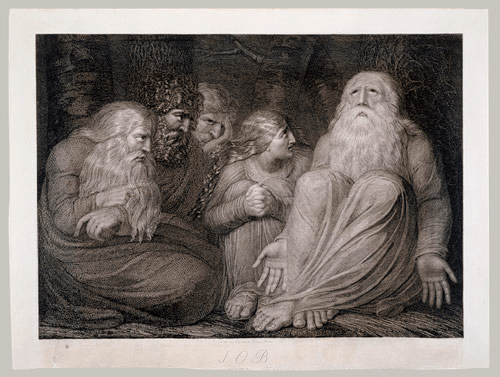
For him, these men were the ultimate in hypocritical evil – considering the burden borne by others to be theirs alone to bear, rather than helping with a practical hand. For giving advice about the ways of God and the world is easier. Seeing the world as it looks from someone’s else’s perspective is not.
In the Juvenal piece are the Latin lines I quote in my title:
.………………………. et potiores
Juvenal Satire X
Herculis aerumnas credat saevosque labores
et venere et cenis et pluma Sardanapalli.
In English, they read:
…………………….and thinks
Juvenal Satire X
the woes and hard labors of Hercules better than
the loves and banquets and downy cushions of Sardanapalus.
Comforting you in your plight, the Job’s comforters of our world: “You have only yourself to blame for misfortune if you do not discipline your mind by hard work in the body – as heroic a work as Hercules tasks or ‘labours’ as you can find’. Delacroix imagined Sardanapalus at his death reviewing with frigid non-participatory languor his life of easy sensuality, so far from heroic Hercules in his Twelve Labours.
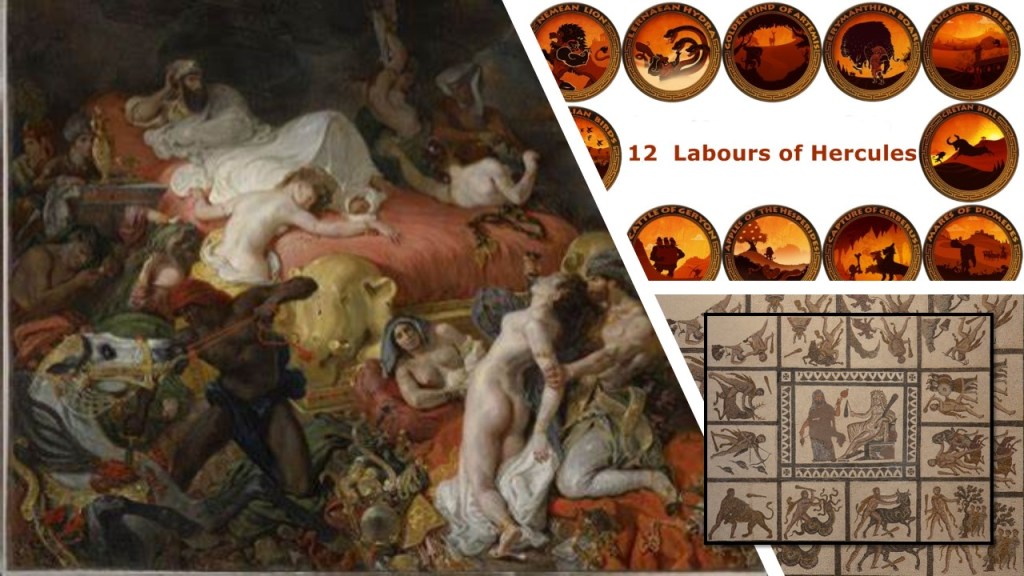
So ‘the healthy mind in a healthy body’ has dedicated itself to work without rest and privation without even the odd luxury of relaxation or recreation. No wonder this was the motto of Thomas Arnold as headmaster of Rugby school – the figure celebrated by Thomas Hughes in Tom Brown’s Schooldays and by son Matthew in more rigorous mode. Here is the preface to the 1868 6th edition of the Hughes novel:
A boy may have moral courage, and a finely organized brain and nervous system. Such a boy is calculated, if judiciously educated, to be a great, wise, and useful man; but he may not possess animal courage; and one night’s tossing, or bullying, may produce such an injury to his brain and nerves that his usefulness is spoiled for life. I verily believe that hundreds of noble organizations are thus destroyed every year. Horse-jockeys have learnt to be wiser; they know that a highly nervous horse is utterly destroyed by harshness. A groom who tried to cure a shying horse by roughness and violence would be discharged as a brute and a fool. A man who would regulate his watch with a crowbar would be considered an ass. But the person who thinks a child of delicate and nervous organization can be made bold by bullying is no better.
He can be made bold by healthy exercise and games and sports; but that is quite a different thing. And even these games and sports should bear some proportion to his strength and capacities.
Available at: https://en.wikisource.org/wiki/Tom_Brown%27s_School_Days_(1868,_6th_ed)
Straight from Juvenal as so rigorously taught by Thomas Arnold who excoriated Sardanapalian wantonness and masturbation from his school with a morally educative symbolic rod of iron, with rigorous discipline but not what Matthew Arnold or Thomas Brown would consider bullying, though it sounds like the institutional version of mental bullying to me.
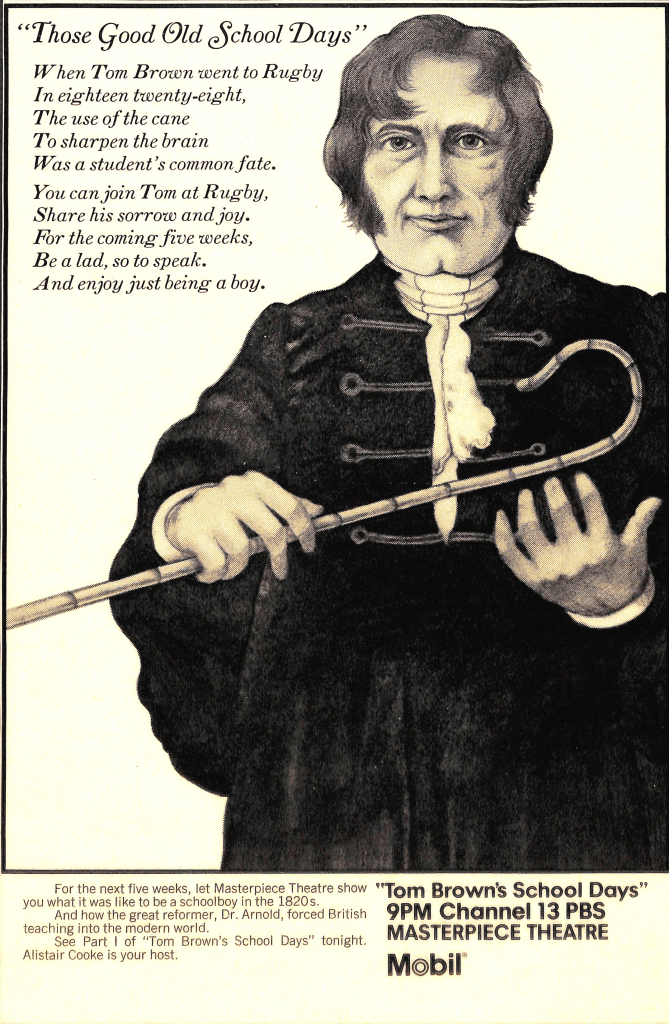
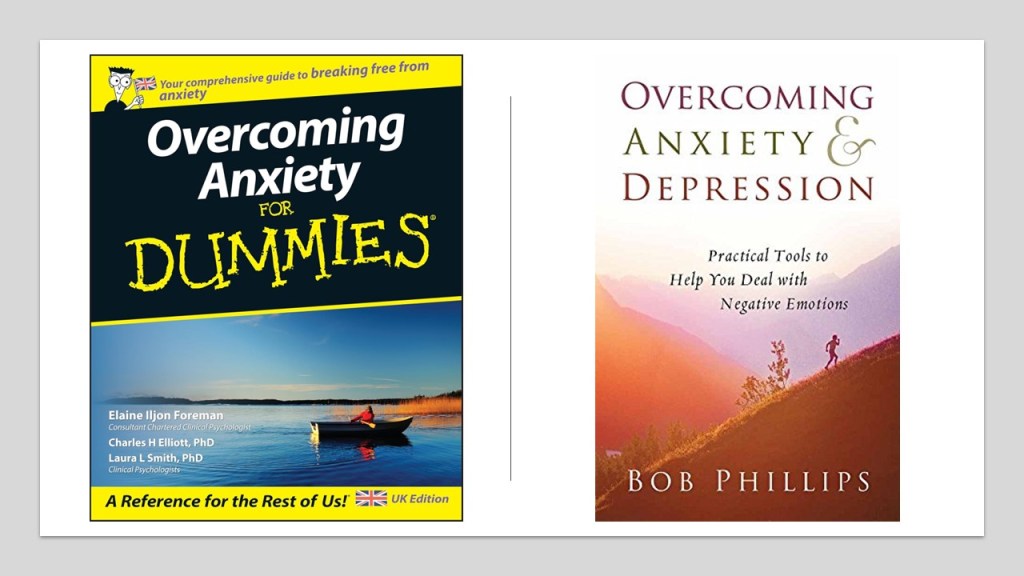
The cane went the way it needed to go under Arnold but in its place came this demand for cultivation of healthy mind and body seen almost as if they were one and the same thing. It is an attitude Arnold Junior took into his work as Inspector of Schools. Nowadays the version of ‘Mens sana in corpore sano‘ is a much more liberal one, based on moral persuasion and ideology, not least in mindfulness training and other offshoots from behaviourism, for mindfulness lost connection to Buddhism when it was commodified and institutionalised in the 1990s and after, and often appeared in exercises in books with titles like Overcoming Anxiety. In every one of these books, simple assumptions are made about what used to be called the mind-body dilemma.
Often discussed in terms of a five domain link, body [sometimes in its Central Nervous System subsystem] and mind touch each in the confluences of Sensation, Affect (Feelings), Cognition, Action / Behaviour and the Situation or Environment. Interacting together, these domains shift what is felt, how it is felt, and also how it is interpreted (and perhaps even named) by self and others.
The problem with these models is their medicalisation, for that is such a powerful environmental factor that it overinterprets all the domains in its own image. Health becomes in this situation a prescribed thing, organized by measurements against norms only.
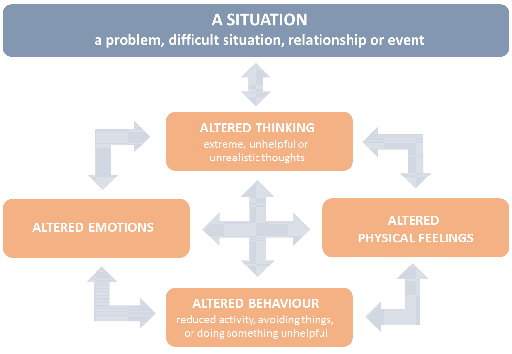
Health is better conceived when when we see the domains creating colaboratively a holistic concept of well-being, which takes different forms in appearance and experience by self or other, and is not prescribable at that holistic level but only describable in conversations and exchanges between those significant to its maintenance and development.
This is not a realm where favourite exercises help – physical, mental, or in truth what they always are, combined forms. Thomas Arnold had fixed prescriptions. Matthew Arnold, too, had these but less of them and ones bound up with freedoms of self exploration. So, yet again, I resist a list. My experience of such lists is that of lists that people have to show themselves in some light of achievent by superficial evaluative criteria. Moi. Never. Lol.
With love
Steven xxxxxxx
 Steve_Bamlett_blog