


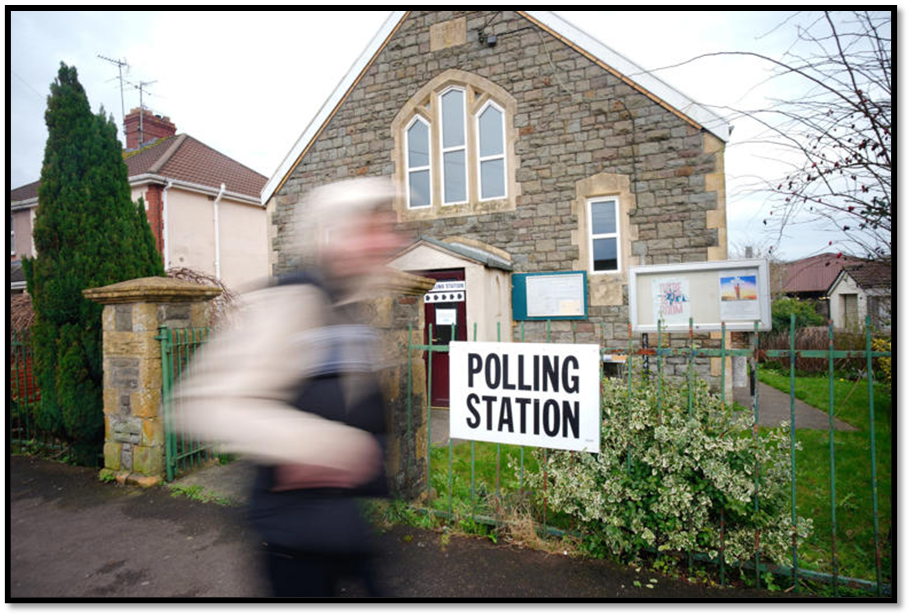
Blurring out the voter in the interest of stasis and parties who want only it.
Today there are we are told local elections. I cannot remember when I was last asked to vote for local Councillors and today in Durham the only people up for election are for Mayoral candidates for the North East region (MNE) and Police and Crime Commissioner (PCC). I have already voted by post – enthusiastically for Jamie Driscoll for Major, reluctantly for the nondescript Starmerite candidate for PCC.
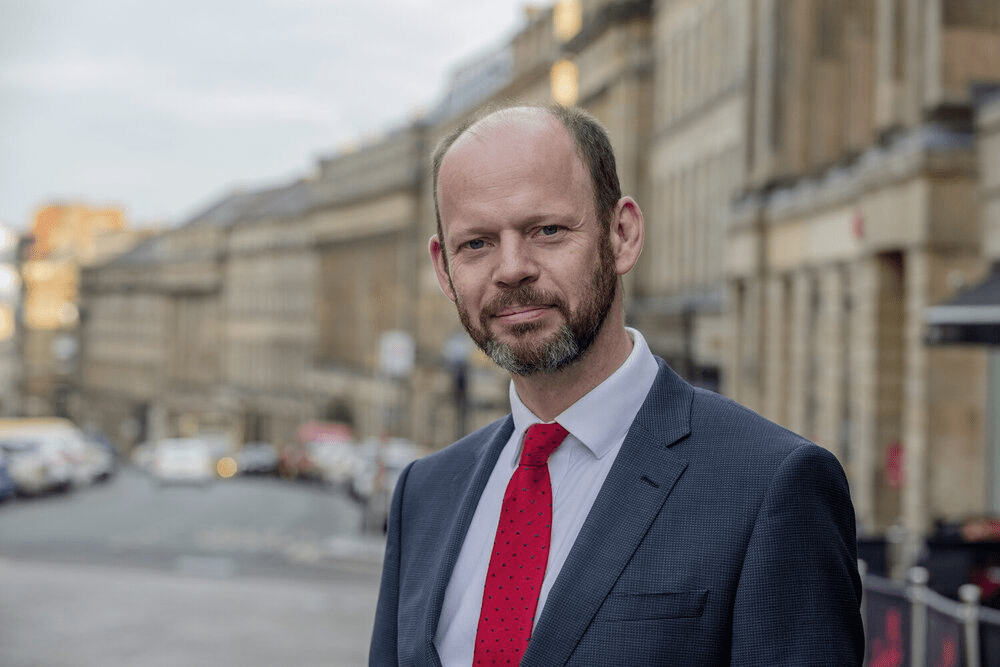
Jamie Driscoll
But voting without hope of constitutional reform focused around an electorally unfair system of First Past The Post (FPTP), designed to reproduce the hopelessness of two-party stasis, is becoming increasingly meaningless. Now I think that would be so even if a choice mattered over the governance of the institutions of the state at local level. The two-party system will always in the long-term militate against choice and in favour of abstractions like efficiency of governance of the state as it is intended it must remain for the considerable duration of a hopeless future. Given the tendencies of the state to become arbiter of a narrow version of citizenship, I cannot really hope that even an experiment such as Jeremy Corbyn offered would have lasted long. However the sustained marginalisation of even a moderate democratic socialism like his has been placed into the nether regions of politics.
In its place comes a kind of frightening politics of following the latest moulding of ‘public opinion’ such as a rampant fourth estate of the press creates has become the ‘leading light’ of the Labour Party. Come what may we will have increased privatisation of health and social care duties of the state and strengthening of the state purely along lines of policing and armed services, whichever party wins the forthcoming general election – a bit more competently though under Labour. Though I could never act to lengthen the feral-turning rule of right wing Toryism, I fear the alternative – for it will present the ‘THERE IS NO ALTERNATIVE’ to privatisation and unchecked (to say nothing of unsustainable) growth in capitalist economies as its sole weapon of provision of social good. Social good will not be the end point. Social division and a truly overt fascist alternative may well be, for:
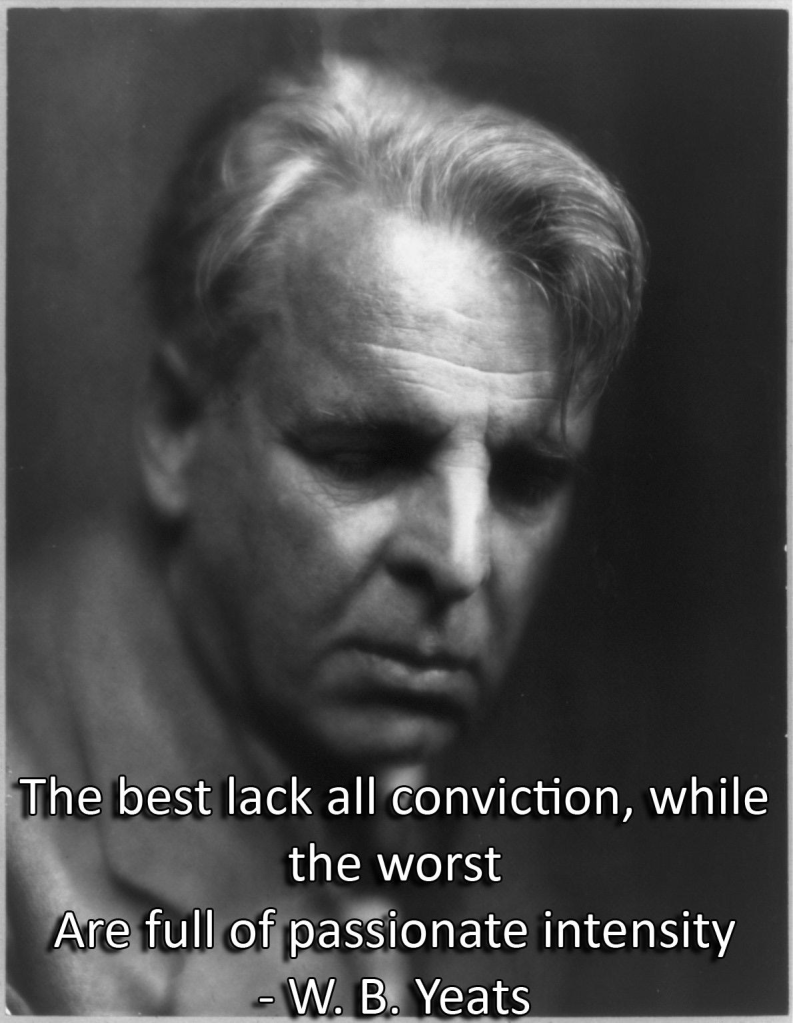
And the chosen intensities are about the already entitled – the notion of a sovereign nation, entitled superiority of conventional markers of dominion and a binary sex/gender radicalism. We need ‘conviction’ in politics – even in how individuals cast a vote. The idea of voting strategically is the only hope in forthcoming elections for sweeping away the idea that ‘strategy’ is the only meaningful approach to politics. If we hobble political conviction forever, nothing will ever change for the better and the best way of hobbling it will be the election of a Labour government that refuses to see that following the lead of the centrist rhetoric of both parties (rarely centrist these days in Tory political realities) will lead to another swing to Toryism of a much more radical and frightening kind.
I had limited options. The vote for PCC was for someone as capable of right-wing turns as their Tory opponent, but at least was not a Tory. I doubt that vote was meaningful, though the candidate will no doubt win. In the NEM election I could not vote for the Labour candidate. The removal of Jamie Driscoll, the last Mayor as Labour candidate for thie election was cynical and suggestive of what the Starmer Labour Party was about. His removal was started on the basis that Driscoll shared a platform with Ken Loach, who had been kicked out of the Party on false charges of antisemitism, but in fact because he wanted to keep socialist answers to social questions alive. Wikipedia tells us the rest (use link but the main passage I want to draw attention to is below):
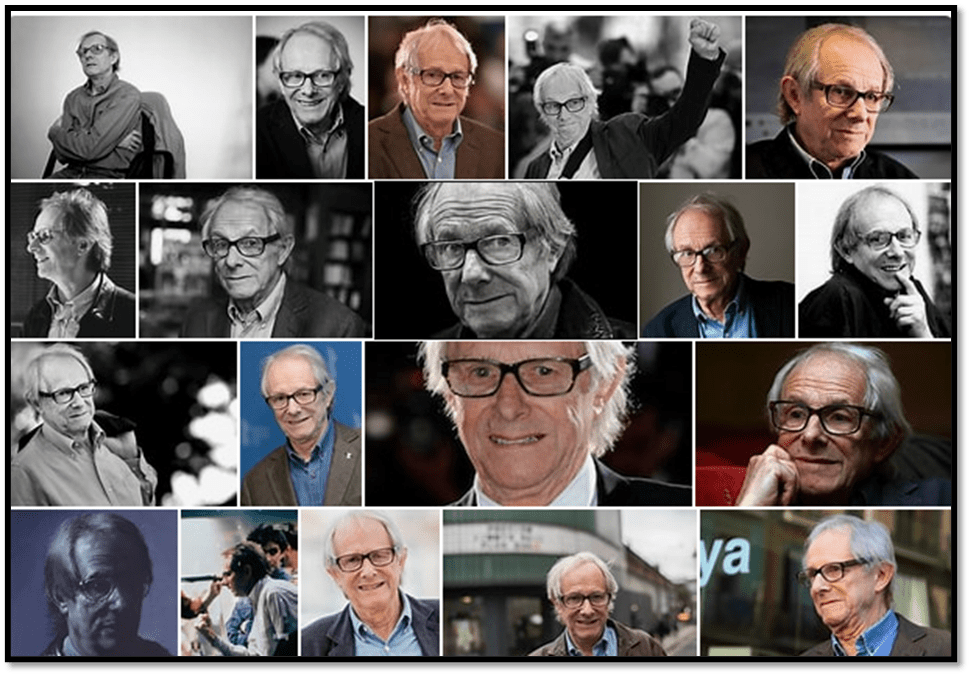
In June 2023, Driscoll was barred from the selection process to determine a Labour Party candidate for Mayor of the North East. The decision was defended by Starmer-ally Baroness Chapman of Darlington as “simply guaranteeing the highest quality candidates”. Unite the Union and its general secretary, Sharon Graham, criticised the decision to exclude Driscoll. Andy Burnham, and Steve Rotheram described the Labour Party as undemocratic, opaque and unfair. Aditya Chakrabortty wrote in The Guardian that Driscoll was a “victim of McCarthyism”.
Driscoll’s pledges remain modest but are transformative. Outside a party they are unlikely to be achieved by him alone. But within the Labour Party they are the current anathema: ‘Community wealth’ is not the nuanced thing for them it ought to be with its background in part in the thought of John Ruskin. To them it is synonymous now with unleashed private capacity for growth regardless of community needs.
- Community Wealth Building
- Green Industrial Revolution
- Setting up Community Hubs
- Build Affordable Homes
- Meaningful Adult Education
Today I hope Driscoll triumphs but I am not over-hopeful. And the reason for the lack of hope is that voting in elections is becoming meaningless – more so if Driscoll does not win on the basis of policy – and not just the name of an established Party rotting at its core, and no longer the herald of a progressive future.
But vote I must – to avoid the Tory at all costs.It’s a sad old world.
All my love
Steven xxxxxxx
 Steve_Bamlett_blog