A lecture on the why and how we need to address the issue of sexualities and sex/gender difference in social work. To be given at New College Durham on 13th December 2022.
This lecture is intended for the second year of a degree in Social Work at New College Durham. It addresses sex/gender diversity, the value base for work in social work, especially assessment of needs / wants and appropriate resources for delivery when a service user identifies in the LGBTQI+ spectrum. So here goes.
The lecture is heavily dependent on service user voices and includes developmental life stories as well as specific discussion of service delivery options under a Self-Directed Support system (SDS), sometimes known as Personalisation. We start with a video I provided to learners prior to the course but which is looked at again here. Links to videos are reproduced in the text for this blog.
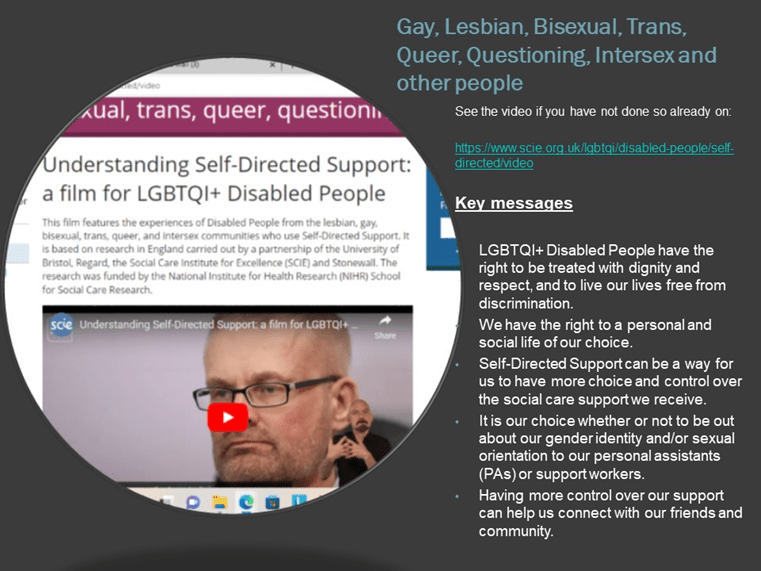
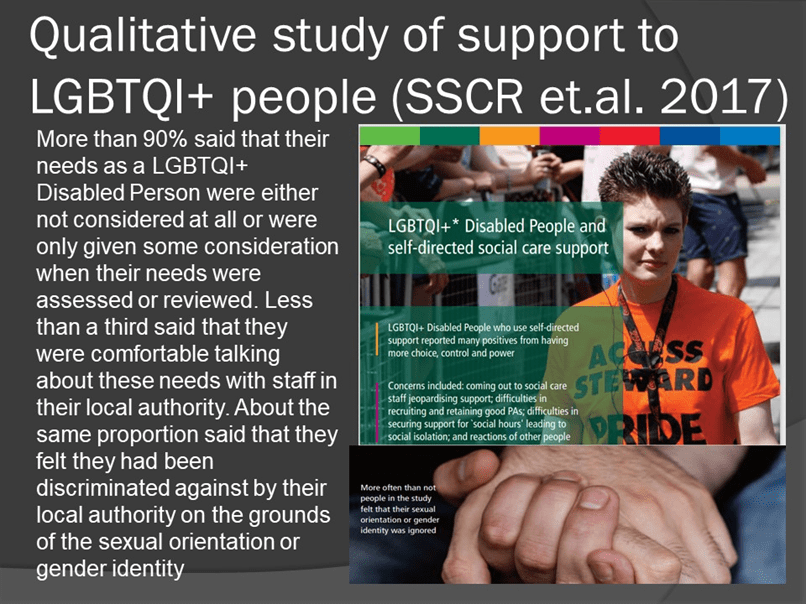
To see the video use this link. Clearly the assertions here are supported as part of Social Work commitment to autonomous decision system and the alignment of needs & wants in SDS. The issue of choice and control and why this is important in LGBTQI+ diversity is implicit throughout. We start with some research. The documents here can be accessed in Class Materials or via links. Many are from the Social Care Institute for Excellence (SCIE). It is important to check with these slides that the distinction between Qualitative and Quantitative research is understood and why this distinction matters in critical thinking in Social Work – namely that without a qualitative dimension we may stop listening to diverse and individualised voices (both versions of voice being important to us).
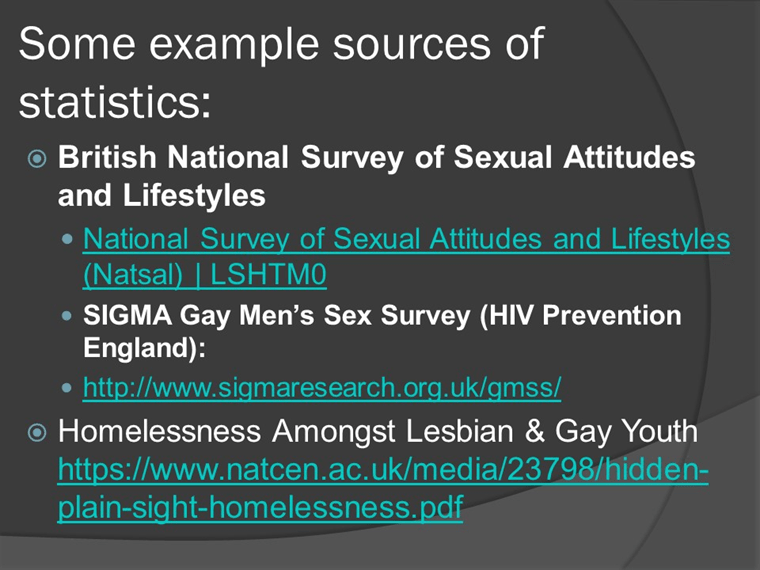
The survey information will not be discussed in detail. This is just a guide to resources, but the homelessness example shows that we are dealing with phenomena of importance to sections of the population studied (here lesbian and gay young people).
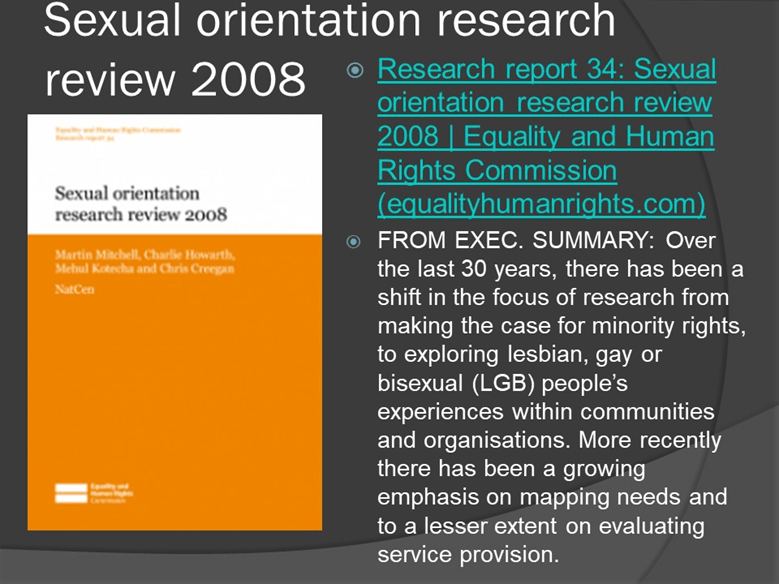
The next slide is about a research document, which though 14 years old, appears to be still cited, sometimes to mourn the sparsity of data in this area. Why this scarcity matters can be discussed if of interest.
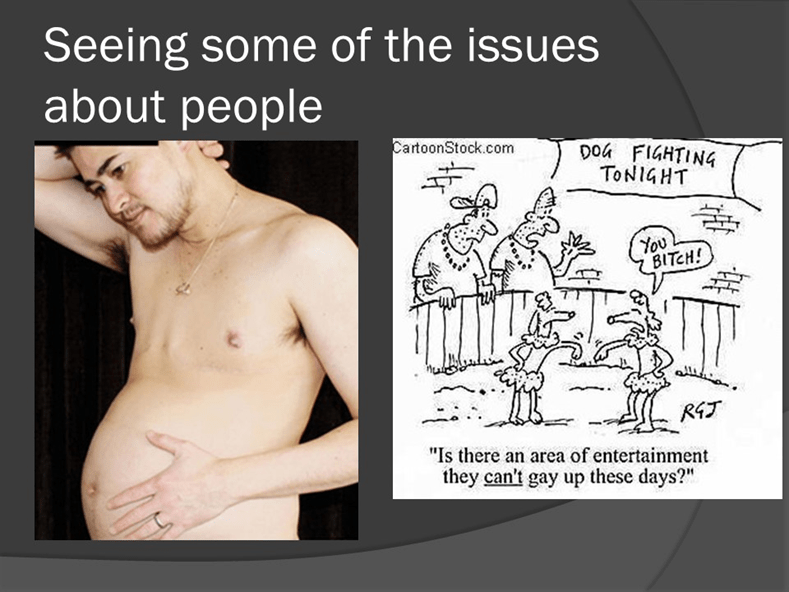
At this point, the slides are contentious images meant to spark interest in the Sex/gender issues that have been ubiquitous in LGBTQI+ discussion. The second slide here is an animated reveal slide which opens up the issue of intersex and non-binary identity (heterosexual / gay, male / female) but does not confound these distinctions as in the poodle cartoon above.
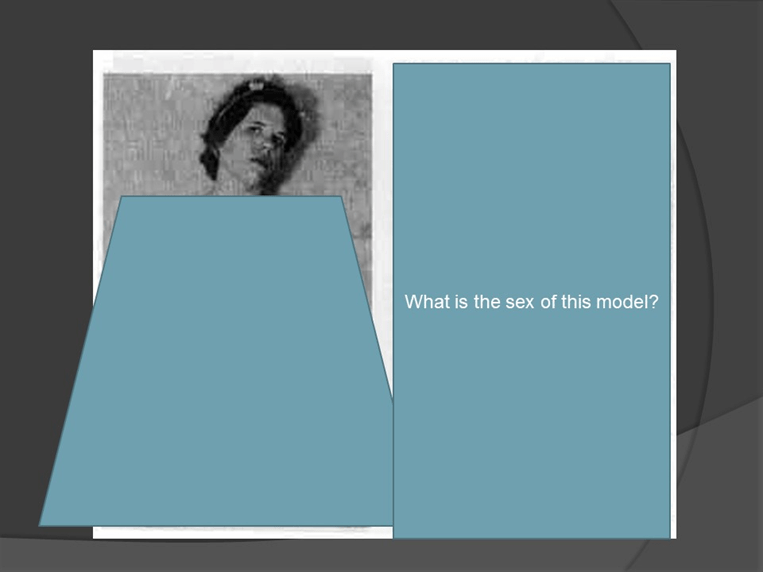
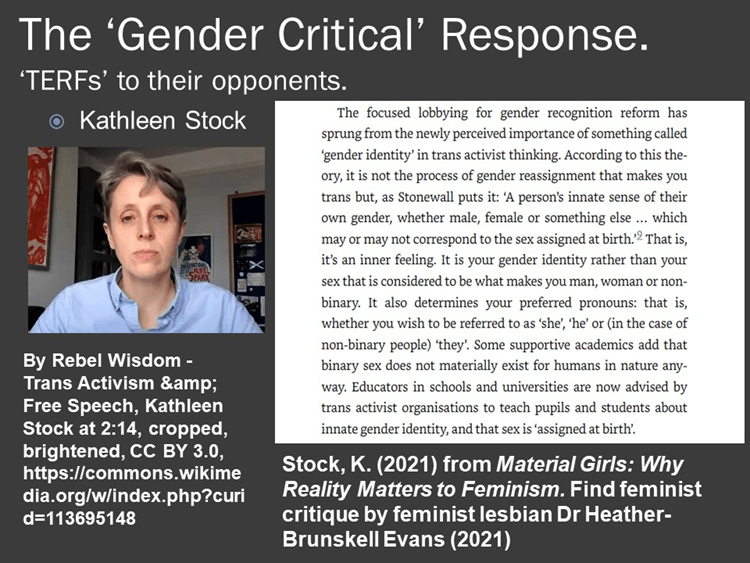
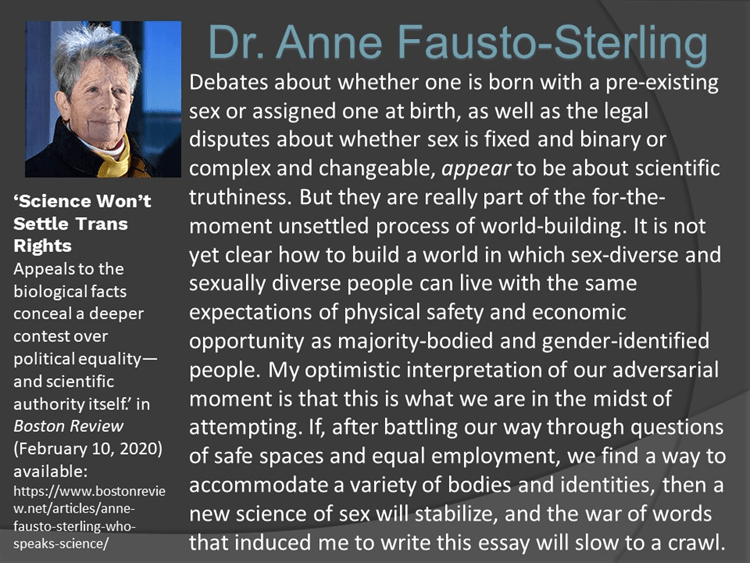
The following three slides introduces the work of biologist and feminist activist. Anne Faust-Sterling, which has recently become contentious because of the debate about trans identities, especially considered as identities that are chosen rather than biologically determined. The debate is, to me, deliberately oversimplified by Fausto-Sterling’s detractors in my opinion and deflects on to her quantitative claims (the 1.7% intersex cases in the general population for instance which detractors claim to be too high, use over-loose categories and yet do not follow up Fausto-Sterling’s commitment to finding a secure space for Intersex people in a society where binaries are hegemonic). I use Kathleen Stock to represent the gender-critical voice rather than the celebrity voice of J.K. Rowling, but I expect the latter to be discussed.
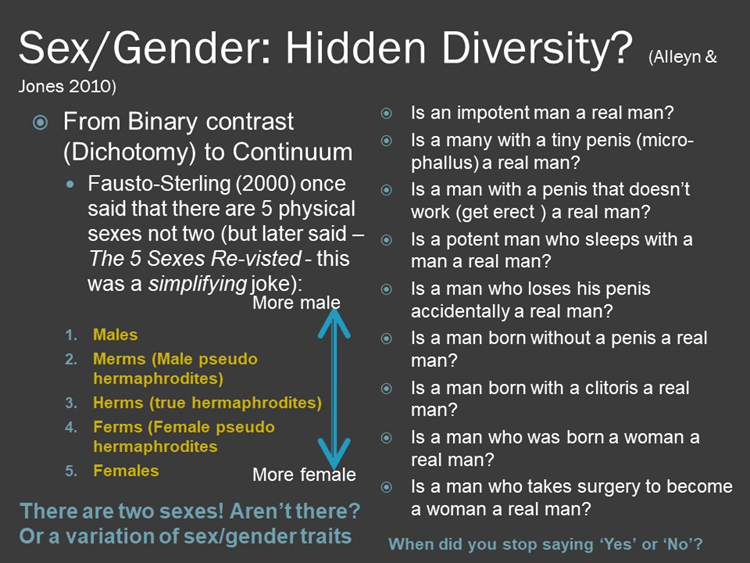
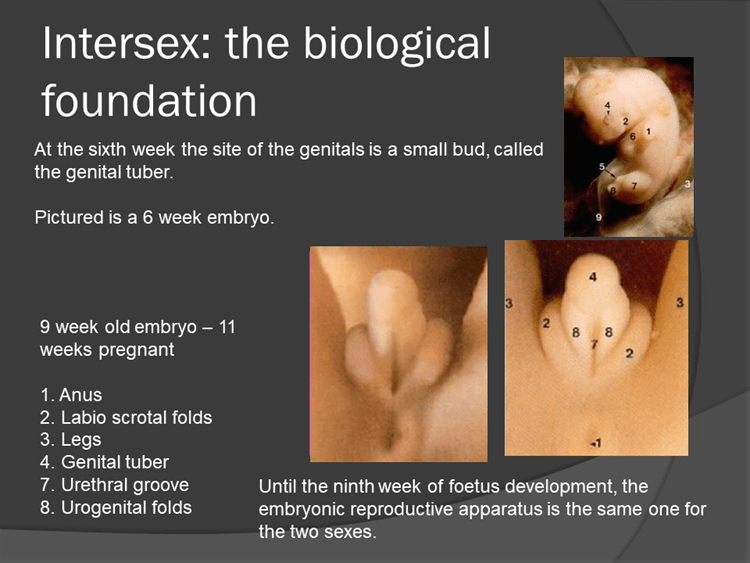
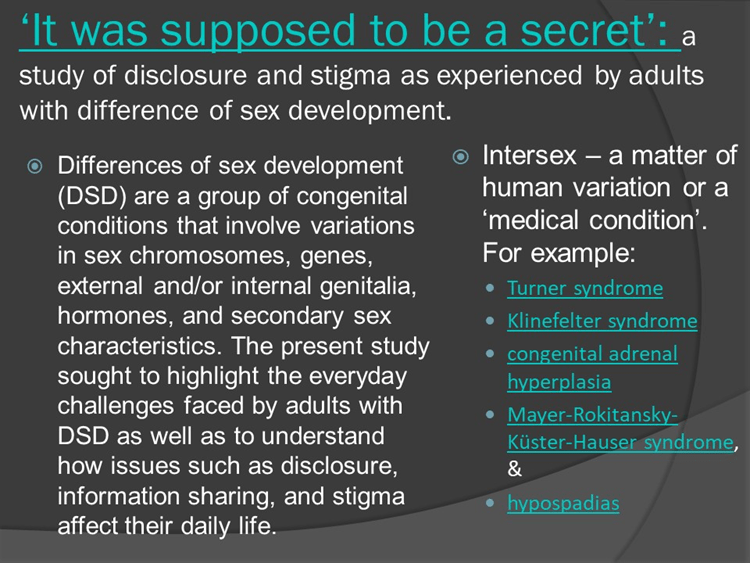
Some of the material below on intersex is merely introductory – to introduce the idea of the complex determinations of sex marker traits and the interactions between the biological and psychosocial domains. Discussion of my own case experience of working with people with Klinefelter’s will be used.
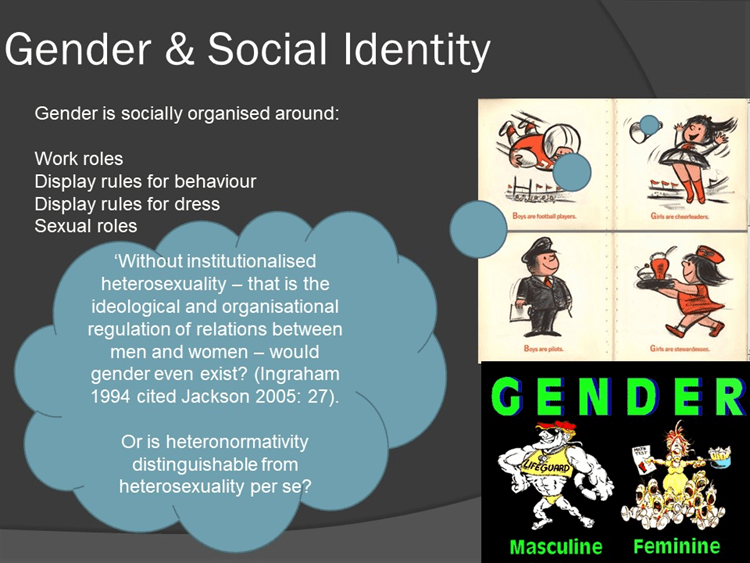
This leads into life-story work. The link to Dick’s story – a trans man talking about his experience of adoption with his wife and the unhelpful (and helpful) attitudes he came across. The link is to the SCIE page from which video can be opened and enlarged.
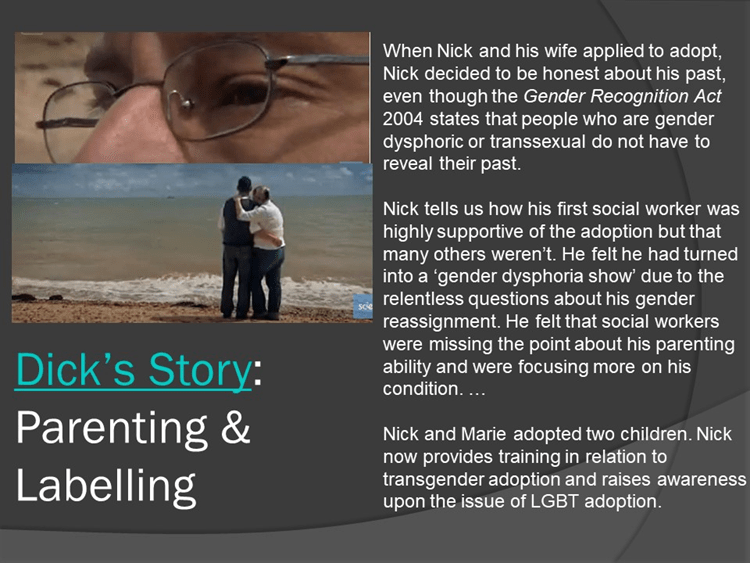
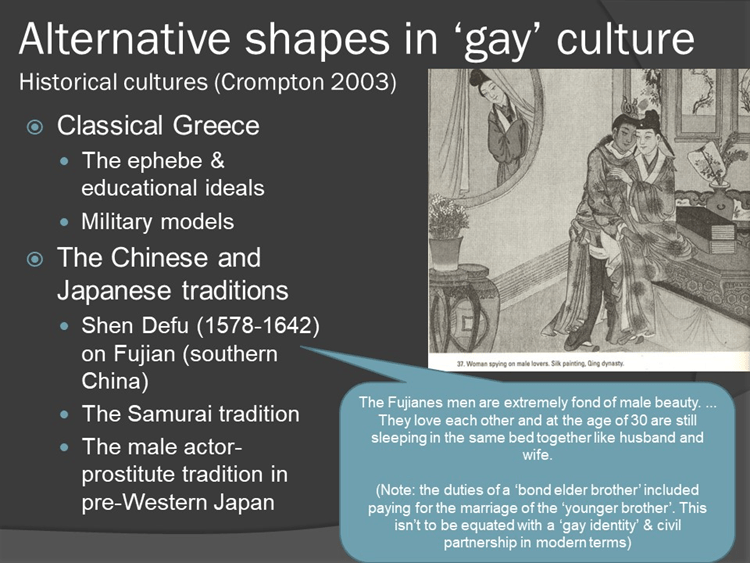
The shift is now to the notion of gay male identity – often (too often) conducted around male examples. A swift introduction to issues of history.
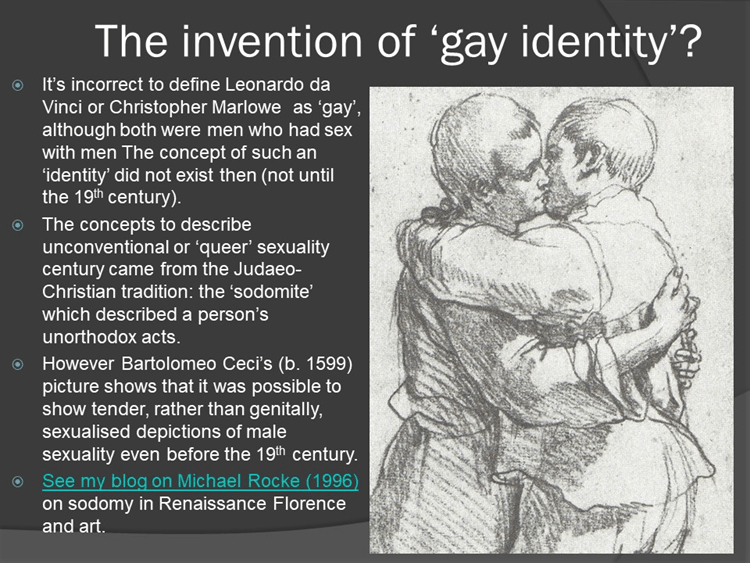
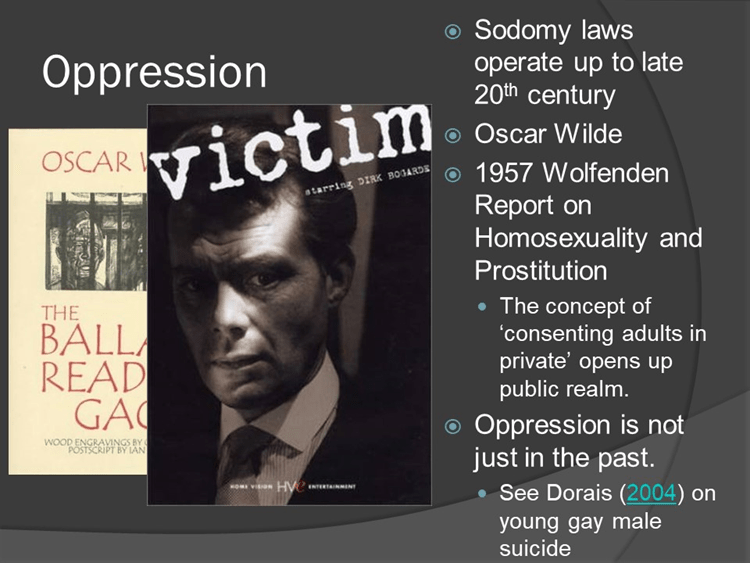
The next session addresses the sociological work on the social organisation of LGBTQI+ relationships – which vary enormously and in relation to individual conceptions of what constitutes a ‘relationship’ or relationship network. I stick with Jeffrey Weekes
.
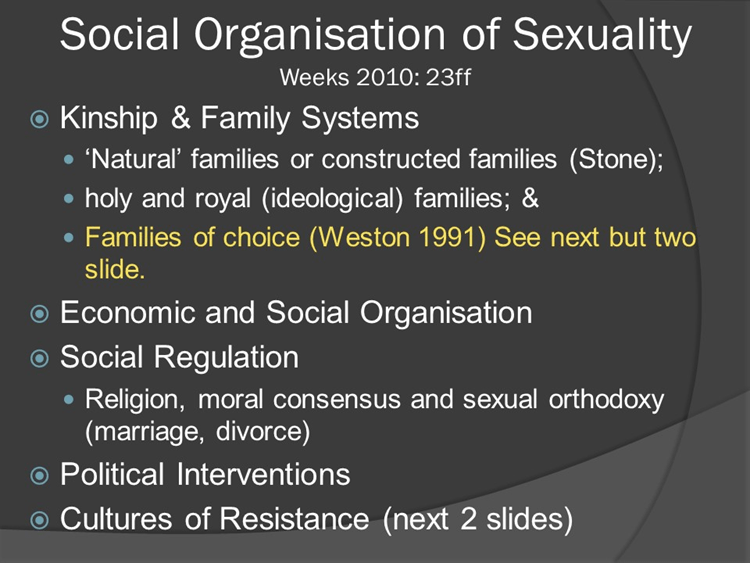
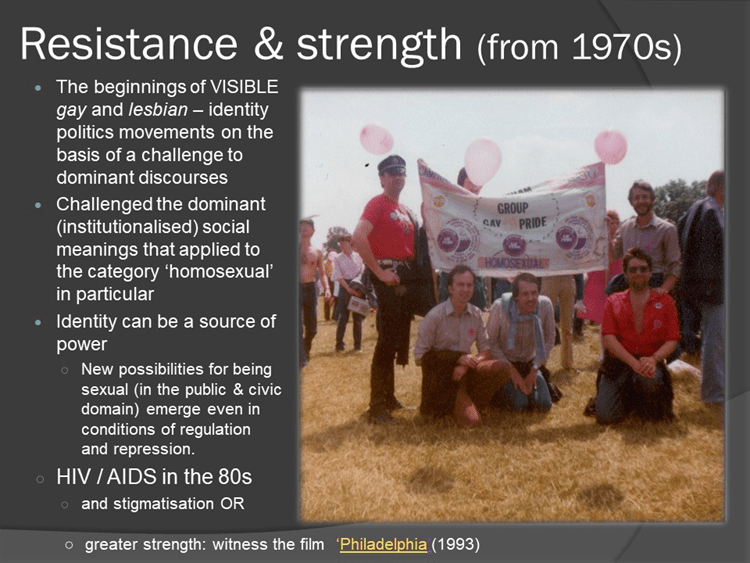
Cultures of resistance are illustrated through my own experience and thence to voluntary sector group examples.
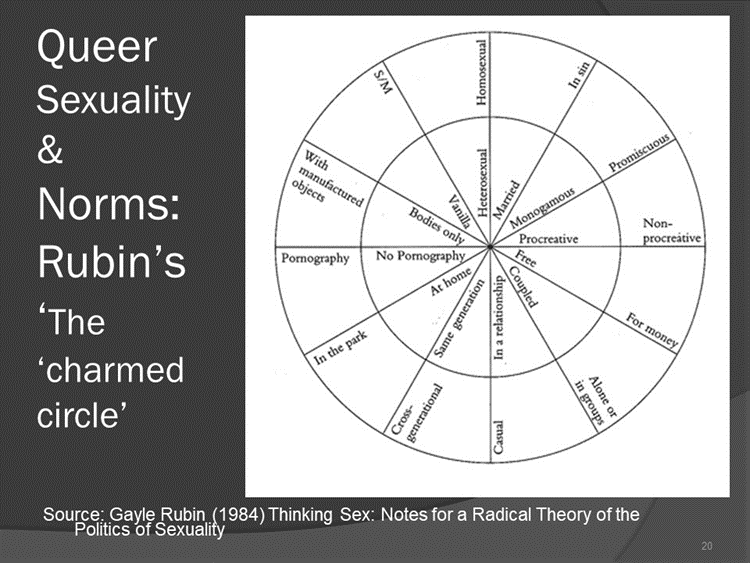
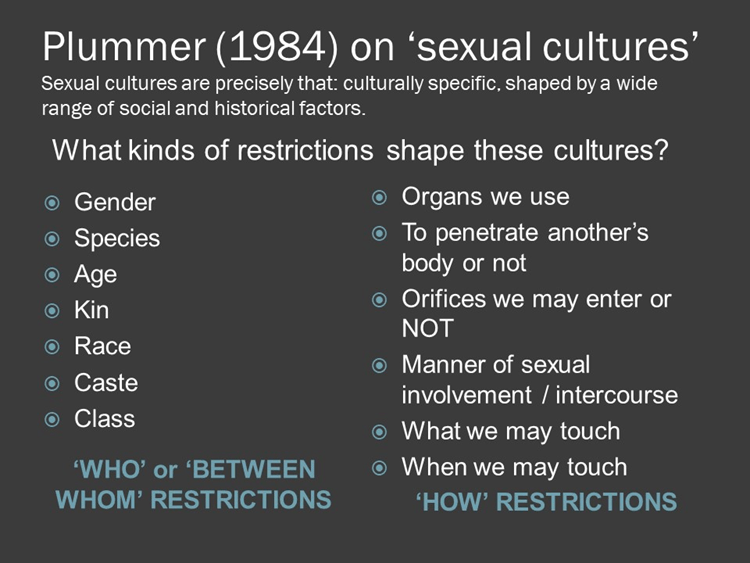
The next slides elide discussion f the rights and wrongs of ‘queer’ identification in relation to labelling by others and self. It is a sensitive area that needs to be understood. Will try to show that its use is to identify non-normative choices (in Runin’s concept of the ‘charmed circle’ this is around sexual issues but it is not confined to this and addresses choices of substance and style and the pace of variation in individual self-presentations and representations.
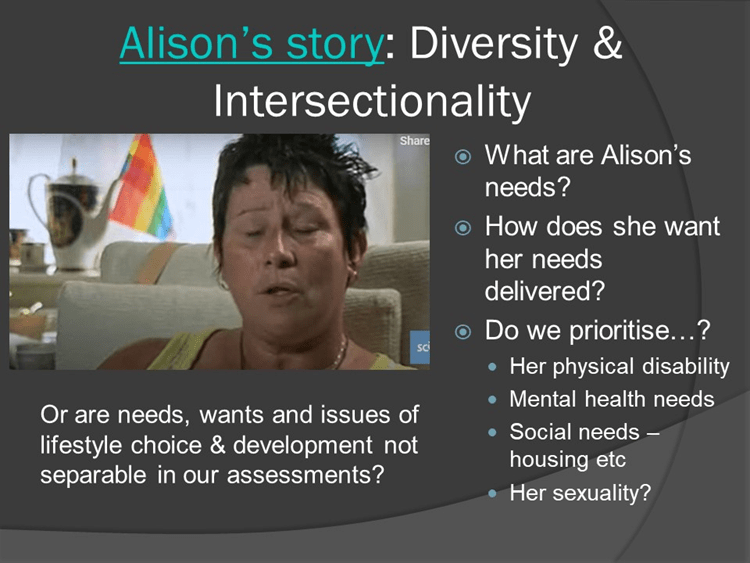
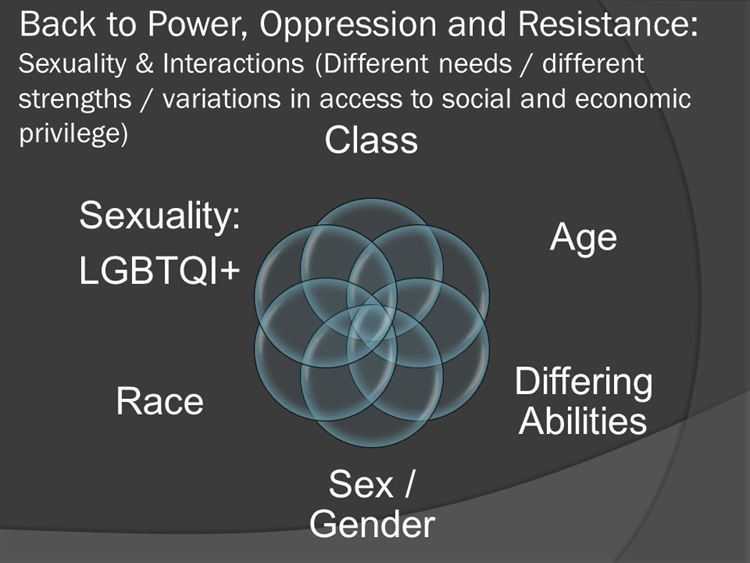
We now look at Alison’s story now (link here) since this story raises the issues of intersectionality in relation to wants & needs.
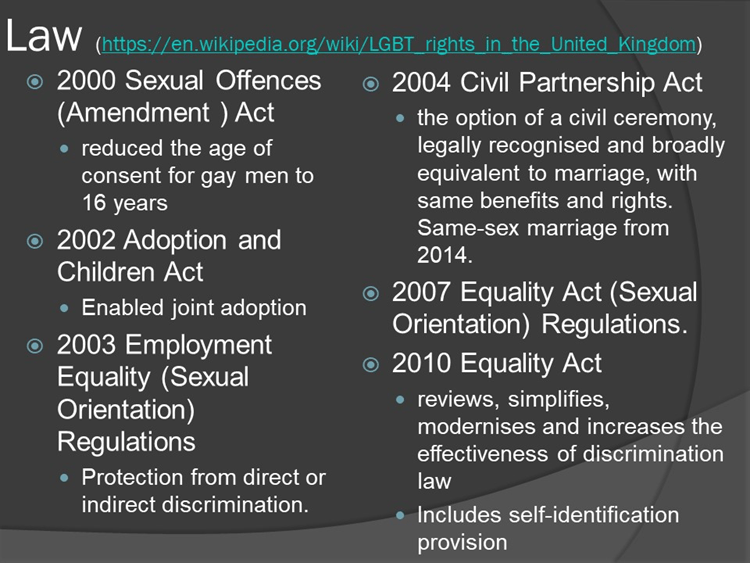
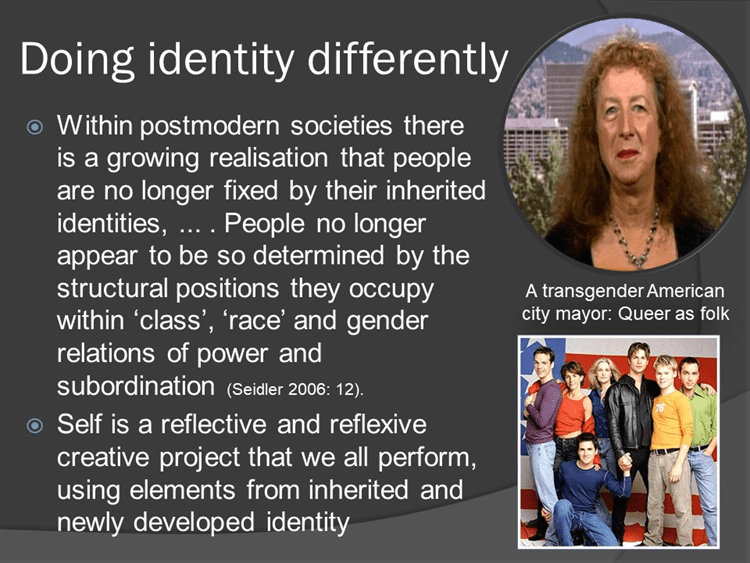
The next slide addresses law as a route again to choice of, and differences in, ‘identity’ (this need not imply stability of identity because queer identity is often chosen to adapt to multiple stances with fluid movement between them). The turn to Richard’s story (link here) will attempt to combine discussions.
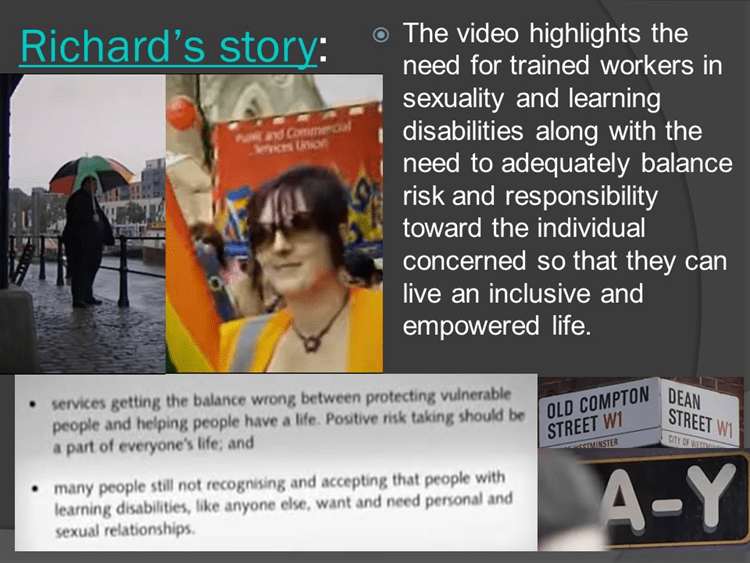
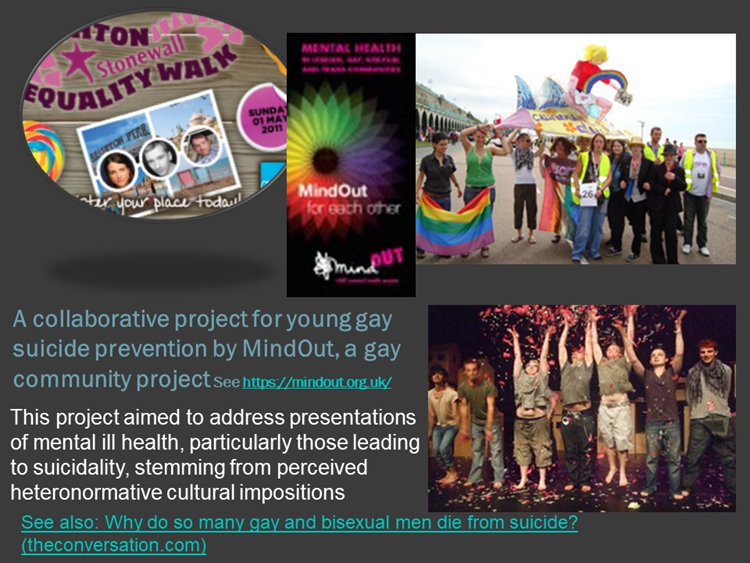
No doubt my own memories of locales mentioned by Richard (surely, he is in Compton’s on Old Compton Street in the video). Diversity can be best addressed in the voluntary community-organised & not-for-profit sector. Hence the next slide, which emerges thence. And finally – speaks for itself.
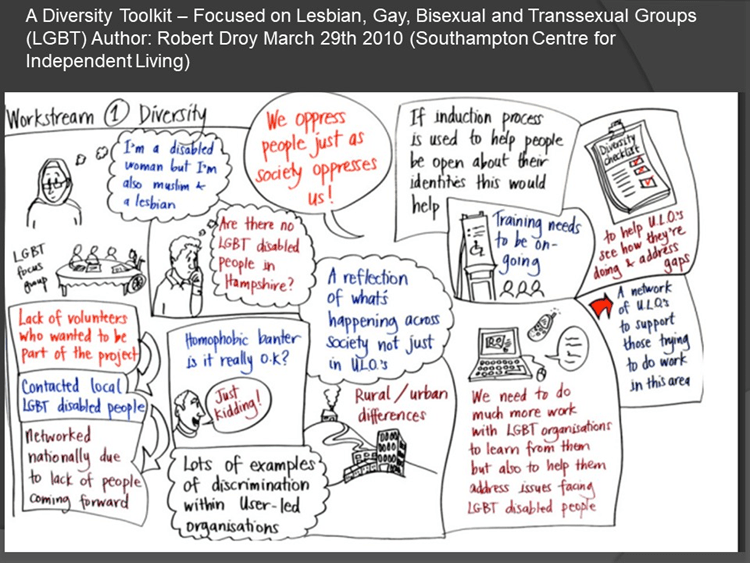
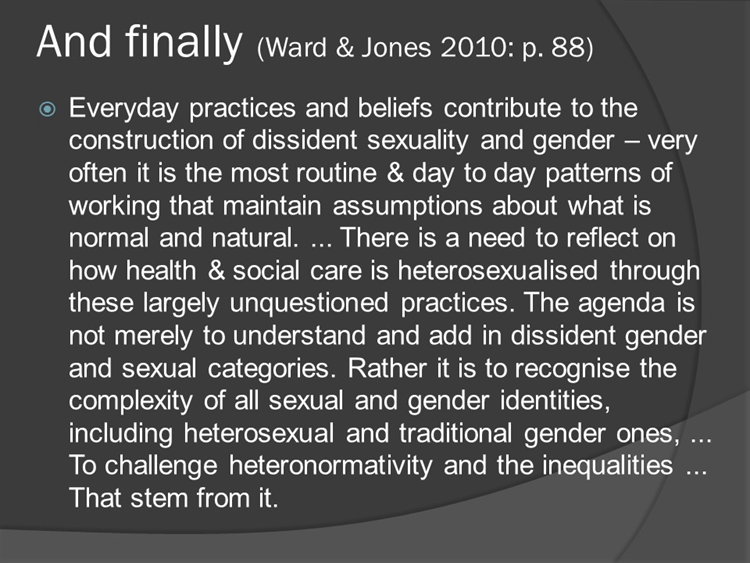
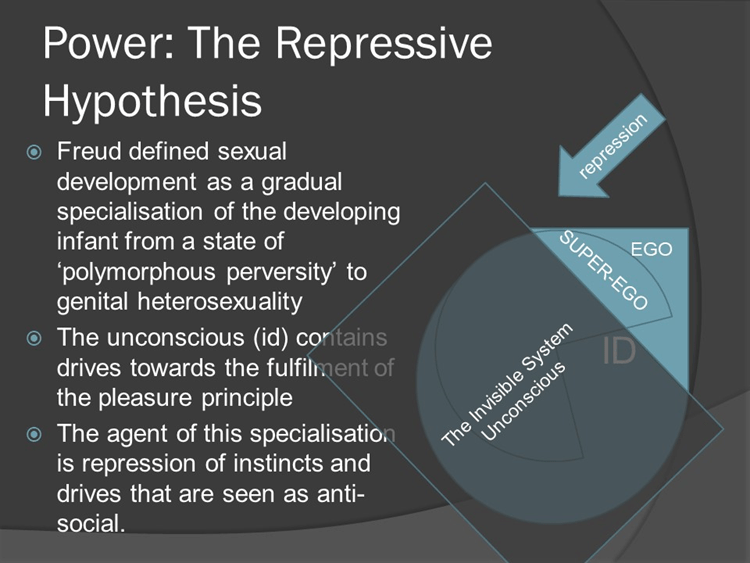
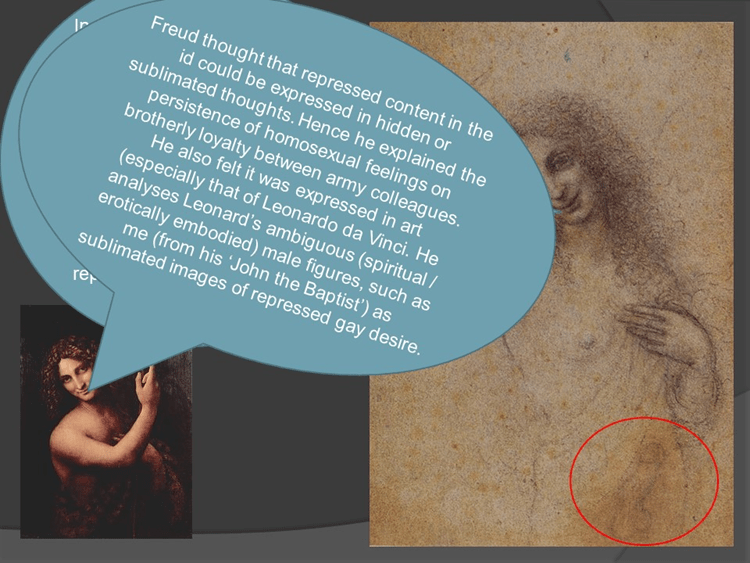
The bibliography should ensure discussion of the organisation of citation and end-lists in the Harvard system. There are links within it to materials. After this are slides for optional use and if issues are raised (Freud and the repressive hypothesis for example). Note that the Freud and culture slides are animated to show the PROCESS of repression.
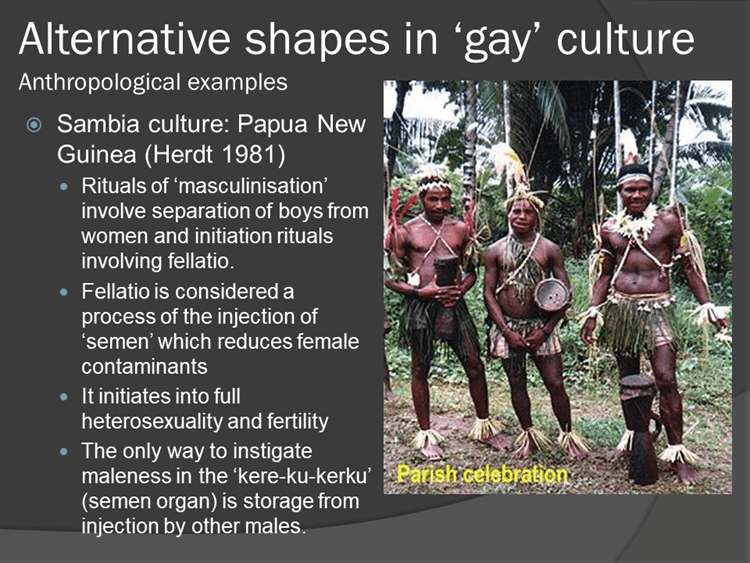
However a genuine weaknesses of the following slides is that race and ‘race’ becomes ‘othered’ issues – bogged down in old-fashioned anthropology. An addition is needed to relate to contemporary personalised queer experience of race and racism of BAME people.
Feedback, including constructive negative criticism is welcome.
All the best
Steve

