‘Omitting ‘the belief in vampires, their various nature and their origins’. What Patrick Leigh-Fermor might have told us, with a diversion on Dickens’ Great Expectations.
We like to feel our greatest writers are pure in heart and with their desires in check, but for minor secreted pecadilloes. Pethaps we only used to feel anyway – since now every specialised and unusual pleasure in a dead writer gets relished today. That manner of reading happened to Dickens years ago. Yet it always amuses me how the darkness of Great Expectations is kept devoted readers’ sight, for if it hides its darker heart in quite plain sight. This so much the case that the last BBC version was excoriated for its ‘perversities’, whilst – with licence of course – actually drawing out the darker side of the book itself.
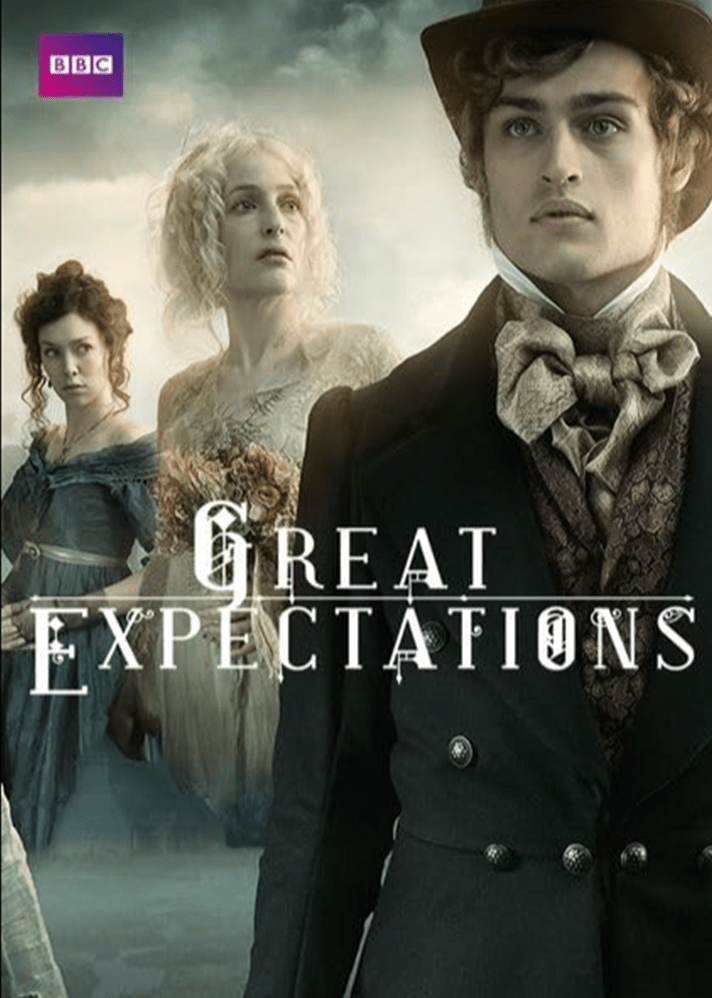
I have always relished Magwitch’s companion double, the ‘young man’ (a kind of Hyde to his Jekyll) . Enjoy him for a while in the passage below. But, as you read, forget all about this passage as, in the conventional reading, merely recreating a child’s terror as a version of Gothic imagination, for Dickens constantly returned to the idea of the threat of being eaten alive by another man in his work. It appears in its comedy (‘Scrunch or be scrunched’ says Silas Wegg the man with a wooden leg in Our Mutual Friend) and at some psychic level harder to plumb. Here Pip meets Magwitch on the marshes surrounding the notorious prison hulks. Relish it: Chew it over – fat, gristle and by sucking out the viscera.
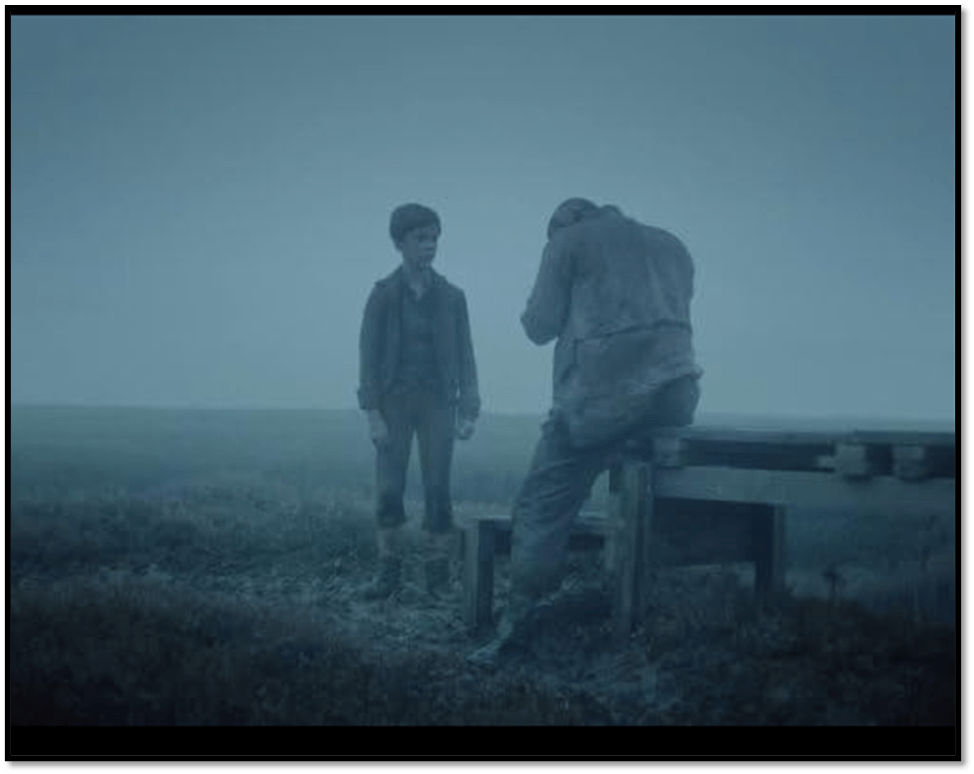
The man, after looking at me for a moment, turned me upside down, and emptied my pockets. There was nothing in them but a piece of bread. When the church came to itself,—for he was so sudden and strong that he made it go head over heels before me, and I saw the steeple under my feet,—when the church came to itself, I say, I was seated on a high tombstone, trembling while he ate the bread ravenously.
“You young dog,” said the man, licking his lips, “what fat cheeks you ha’ got.”
I believe they were fat, though I was at that time undersized for my years, and not strong.
“Darn me if I couldn’t eat em,” said the man, with a threatening shake of his head, “and if I han’t half a mind to’t!”
I earnestly expressed my hope that he wouldn’t, ….…..
You fail, or you go from my words in any partickler, no matter how small it is, and your heart and your liver shall be tore out, roasted, and ate. Now, I ain’t alone, as you may think I am. There’s a young man hid with me, in comparison with which young man I am a Angel. That young man hears the words I speak. That young man has a secret way pecooliar to himself, of getting at a boy, and at his heart, and at his liver. It is in wain for a boy to attempt to hide himself from that young man. A boy may lock his door, may be warm in bed, may tuck himself up, may draw the clothes over his head, may think himself comfortable and safe, but that young man will softly creep and creep his way to him and tear him open. I am a keeping that young man from harming of you at the present moment, with great difficulty. I find it wery hard to hold that young man off of your inside.
Going ‘head over heels’ is clue enough to the peculiarity of appetitive desire in this piece. We will see it later in the novel in the ominously named villain Orlick, the very inversion of ‘gentle-man’ Joe, who also threatens to eat a rather more matured Pip.
But heavens preserve us from any suggestion of impropriety in Patrick Leigh Fermor, or unexpressed desire. and I must admit my fantasy here is entirely tongue-in-cheek, not even in the way Magwitch imagines licking his tongue round Pip’s ‘fat cheeks’. So this blog is playful. It is based on a totally unsubstantiated imagination of omission from a gorgeous travel book in fact.
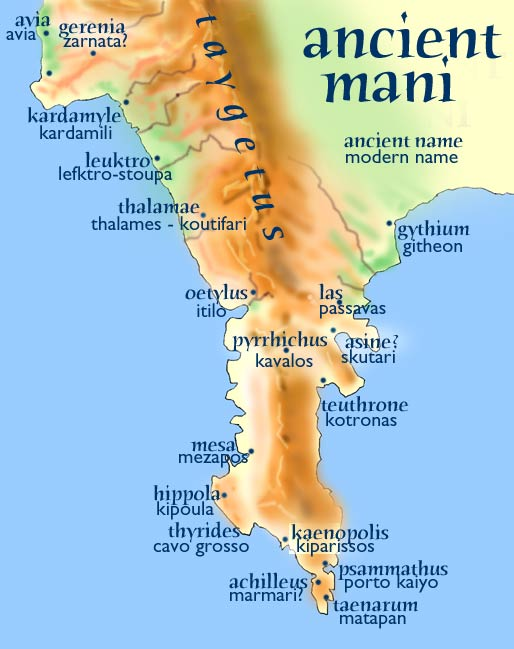
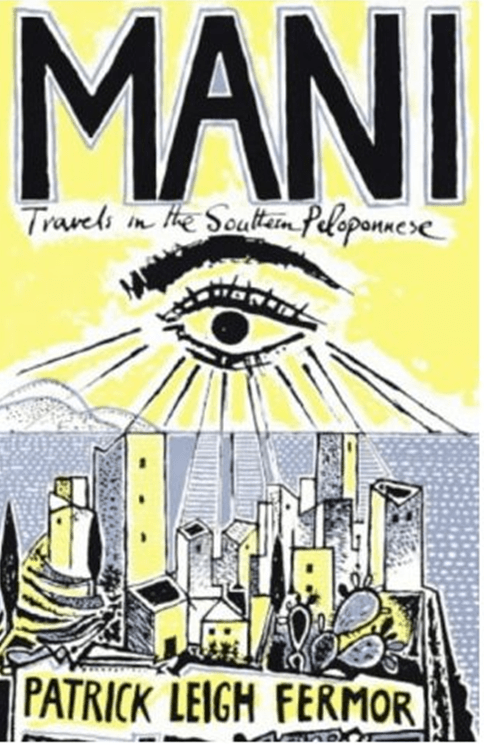
In the Preface to that beautiful book about his adventurous trekking in the Southern Peloponnese region of the Mani published in 1958, Mani: Travels in the Southern Peloponnese (London, The Book Society Ltd. in association with John Murray), Patrick Leigh-Fermor says that despite some radical thinning of material by ignoring all the great sites of Classical Greece in the approach to the Mani, there were still ‘many omissions’:
The most noticeable of these is their belief in vampires, their various nature, and their origins, to which many pages should have been devoted. [1]
Do you, like me, wonder what might have been said in those many pages by this heroic Cretan runner and lover of the queerest of episodes in life? But I don’t know anything about Greek vampires myself (I almost said unfortunately though their appearance was purportedly more like the medieval moral allegory of the Glutton rather than the sleek sexy creature of modern imagination). The eating of ‘livers’ by a ‘young man’ is a fantasy that Magwitch frightens Pip with in Great Expectations.
A vrykolakas (Greek: βρυκόλακας or βρικόλακας, pronounced [vriˈkolakas]), is a harmful undead creature in Greek folklore. Similar terms such as vourkolakas (βουρκόλακας), vourvoulakas (βουρβούλακας), vorvolakas (βορβόλακας), vourvolakas (βουρβόλακας), vourdoulakas (βουρδούλακας) were also used for the creature.
……
It shares similarities with numerous other legendary creatures, but is generally equated with the vampire of the folklore of the neighbouring Slavic countries. While the two are very similar, a vrykolakas eats flesh, particularly livers, rather than drinking blood, which combined with other factors such as its appearance bring it more in line with the modern concept of a zombie or ghoul.Legends also say that the vrykolakas crushes or suffocates the sleeping by sitting on them, much like a mare or incubus (cf. sleep paralysis) — as does a vampire in Bulgarian folklore.[4][5] Unlike vampires, in Greek folklore, the vrykolakas are described more as cannibals than bloodsuckers with a taste in particular for human livers.[6]
I could not help thinking about from whence, which Balkan fastness or Greek island or peninsula, flew into Magwitch’s attempts to control it that ‘young man’ we met in the text above. So here’s some pretend laxity of soul in response:
Great Gods have eyes that scan the soul, discern
Its depths and plumb its caverns, even the sex
Of beneficent mermaids, whose two tails
Balance our marine hopes of  still surfaces
With our safe anchorage in defending
Towers. A cactus tickled me. They do
You know if you treat them gently, with love
And care! Just ease their bristles down. Enough
Of allegoric play with sad pictures.
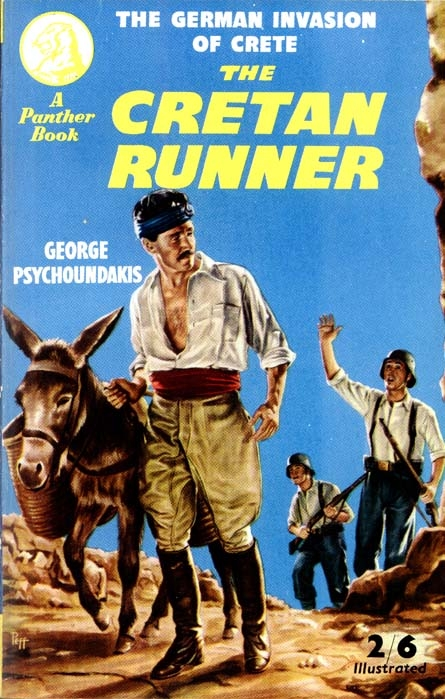
Patrick bedded down each night to dream
Adventures not yet had. He dreams of Joan,
Of course - but, in his head, Psychoundakis
Still runs sweatily across a terrain
So red in heat of blood and policy
Of terror, that he read Pat's stout heart red
Too. 'Come to me at night!' In the chill bed
Of mountain nights in Mani, dream vampires.
They sit upon me, crush out life, suck in
My manly stuff, make it their meat, devour
My heart and liver. Not that I lived less
After his teeth sunk in its soft viscerals,
Punctured their hard surface. Livers are like
That. Only alcohol ruins their fatless
Sheen, corrodes the life in them.
                                                         This wretch
Had too much appetite for slim bodies:
His gluttonous weight crushed me, Sucked me dry,
Each night thereon, The Lost Boys made me cry.
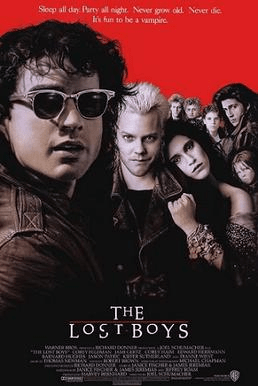
It’s fun to be a vampire: ‘The Lost Boys‘.
Forgive this fantasy, tis only rude play
Nevertheless, I hope it makes good  your day.

___________________________________________________
[1] Patrick Leigh Fermor (1958: xiii), Mani: Travels in the Southern Peloponnese London, The Book Society Ltd. in association with John Murray.
 Steve_Bamlett_blog