Supporting a child who is undergoing institutionalised healthcare will involve, of course, a primary attention to the most appropriate and correct research on the physical, mental and social experience of the illness. Treatment still needs to be fast and efficient and focused if it is not to be counterproductive. This will involve some primary engagement not only with biomedical knowledge, skills values and practices but negotiation with them for the child and, as far as is possible, by the child. The latter is impossible unless the child is empowered in some way to engage with those processes in a way they can understand and which will be heard by others.
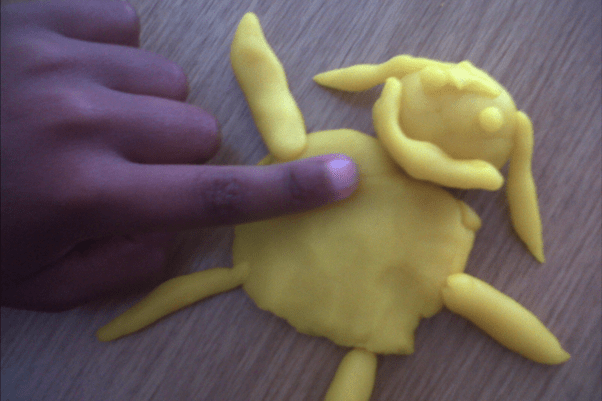
Hence it is vital that we know how the child experiences their illness and pictures it in whatever medium of communication that matters to them – through drawing, song, enacting or talking through experience or process. Enabling this means working with the institution as well as the child since to empower speech that is not heard is crueller than to literally silence them.
This will mean that it’s necessary to know of the child’s background and that that knowledge is shared with staff who engage with the child – what is their family, culture and home neighbourhood, for instance? What are they like as places, spaces and sets of forces? How have their skills of communication been formed – by formal or informal education – in what languages, in what media commonly, in what kind of groupings of people, including how the child has learned about ‘privacy’. The child’s conceptions need to be facilitated in expressible form, understood through dialogue with the child that is sensitive to any needs to express issues indirectly. We need to know how the child reads the cultural routines of the ward and help shape them into something they can understand.
And this must involve working with the ward. What we do if we’re asked to withdraw in this process is important. better perhaps not to get there but not by just colluding with biomedical or other institutional cultures but by helping each other to reshape them and see each other’s perspectives.
This may mean that we not only use media like music, with or without words, drawing, sculpture and word-play but that we teach each other how to read these tools sensitively and with some tolerance to each other. but it also means how we effectively challenge oppressive practice without creating conditions for it to banish us and any possible good effect we might have.
Keeping the child at the centre of this process is paramount and extremely difficult. There is no way other of helping though than to remember this. We all learn new languages and means of expression in that process it is hoped. no doubt one thing we have to learn is how to learn from mistakes which are inevitable and safeguarding the child from the risk of harm from any of those mistakes in the meantime. but heh! Who said life was easy!
Steve
 Steve_Bamlett_blog